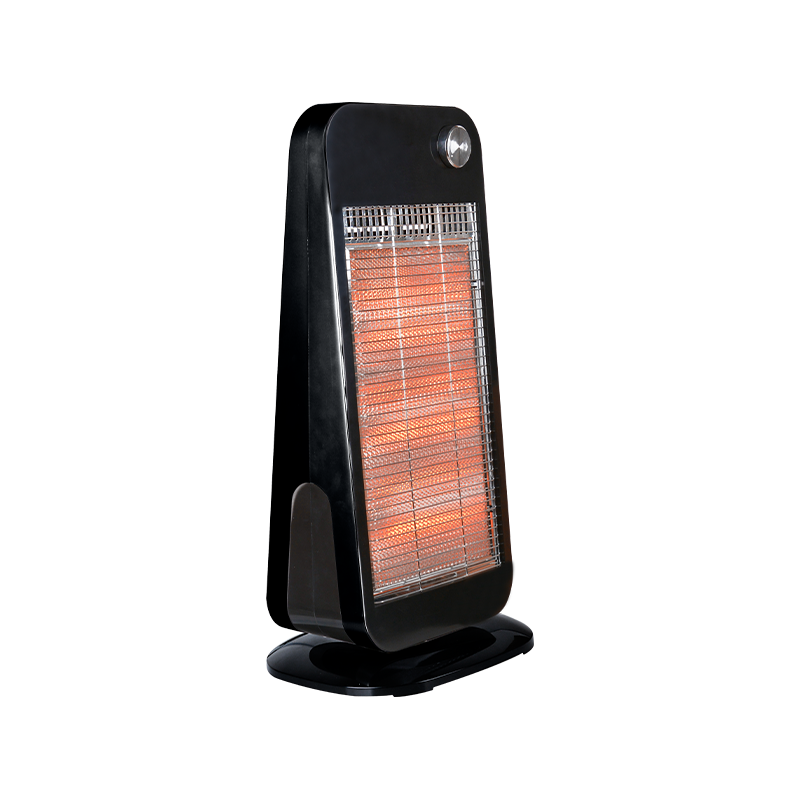
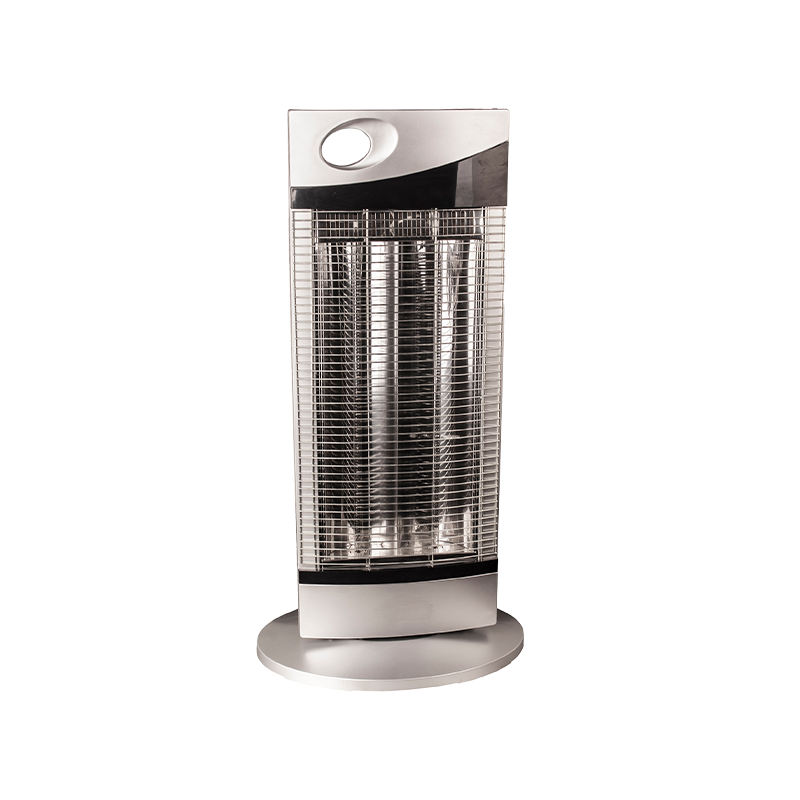
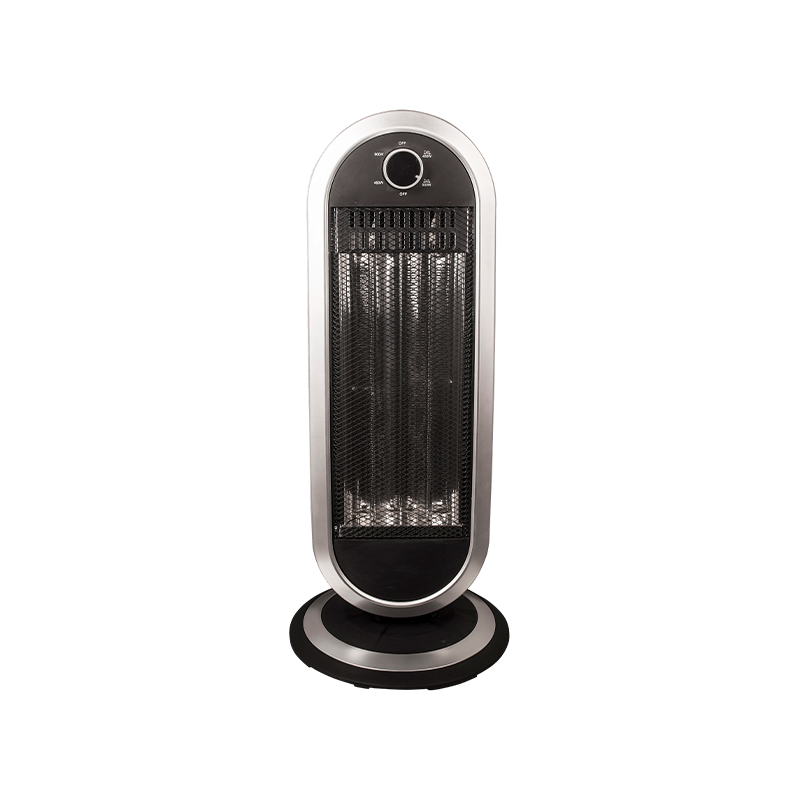
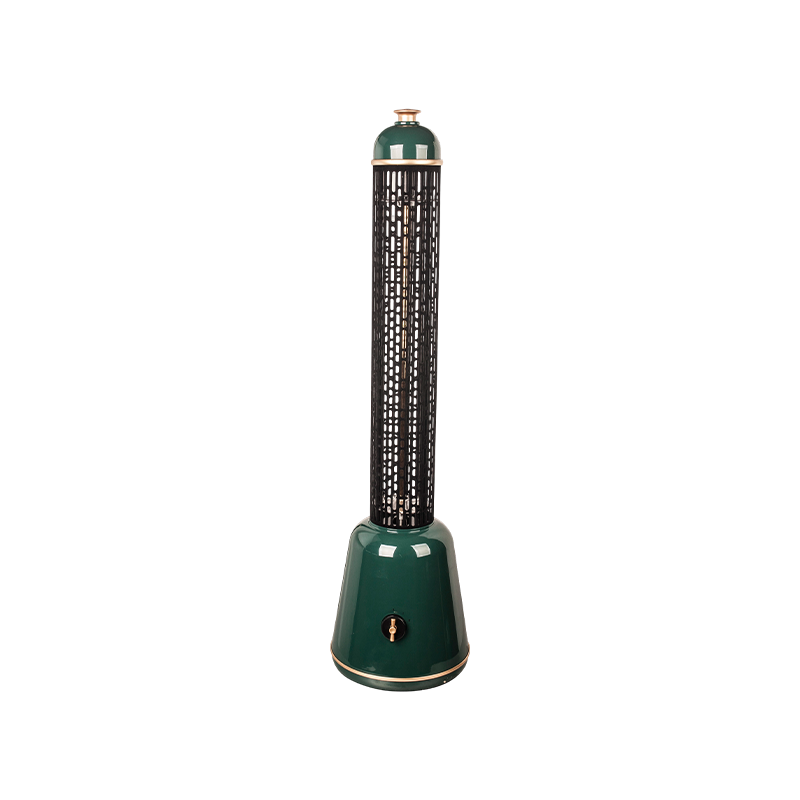
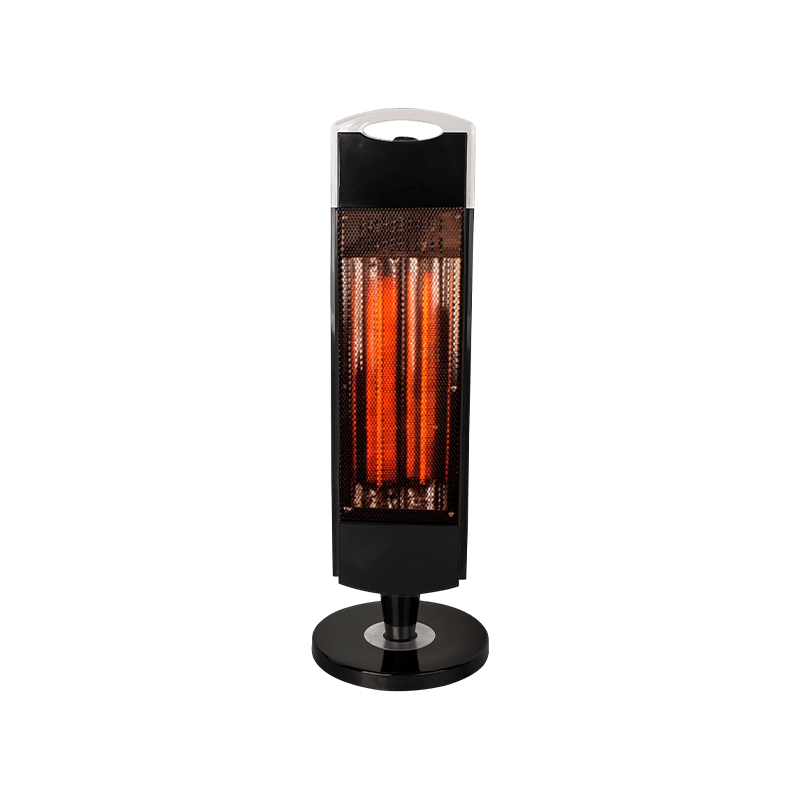
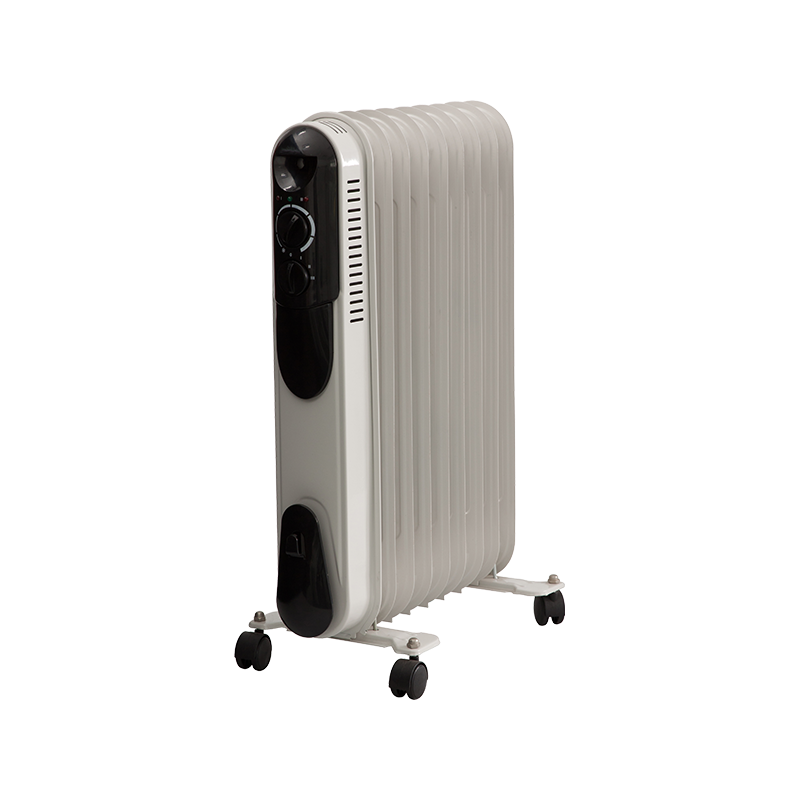
The Electric Fan Heater is a common portable heating device favored for its instant-on, instant-heat characteristic. A central question is: can a fan heater really warm an entire room effectively? The answer is yes, but its performance depends on several critical factors, while its operational efficiency stems from its unique Forced Convection heating principle.
1. Core Principle: Forced Convection
The heating process of an electric fan heater combines the high-efficiency heat generation of an electrical element with active air circulation by a fan, enabling fast, directional heat delivery.
- Heat Generation via Electric Element (Electric Resistance Heating):
- Element Material: Most electric fan heaters use materials with high electrical resistance as the heating element, such as Nichrome Wire or advanced PTC Ceramic Elements (Positive Temperature Coefficient Ceramic).
- Joule’s Law: When current passes through these high-resistance materials, electrical energy is efficiently converted into thermal energy, following Joule’s Law $P = I^2R$. The element reaches a very high temperature in a very short time after being powered on.
- Forced Air Movement:
- An efficient axial or centrifugal fan is integrated inside the unit. When the fan starts, it actively and continuously draws cooler air from the room through the intake vents.
- High-Speed Heat Exchange:
- The cool air that is drawn in flows at high speed over the surface of the scorching hot heating element. Due to the significant temperature difference and optimized surface contact area, heat is rapidly transferred from the element to the air.
- Hot Air Delivery and Circulation:
- The fan then forcibly blows the heated air out as a directed stream. This active delivery method, rather than relying solely on the natural rise of hot air (natural convection), quickly breaks down the temperature stratification in the room, accelerating the mixing of indoor air, thereby achieving more uniform heating across the entire space.
2. Key Factors Affecting Room Warming Effectiveness
A fan heater’s ability to effectively warm an entire room is determined by its power output and the rate at which the room loses heat.
| Key Factor |
Description and Impact |
Optimization Advice |
| Power Output (Wattage) |
The most critical factor. Standard portables typically range from 750W to 1500W. Wattage determines the amount of heat (BTU or Calories) generated per unit of time. |
Space Matching: Choose 750W for small rooms (under 10㎡); 1500W or higher is typically needed for standard bedrooms or living areas. |
| Room Insulation |
The airtightness of walls, windows, and door gaps dictates the rate of heat loss. In poorly insulated rooms, the heat generated will continuously escape. |
Use weather stripping and heavy curtains. This is a common efficiency bottleneck for any heating device. |
| Air Circulation & Placement |
Forced convection requires a clear airflow path. If placed in a corner or blocked by furniture, heat will concentrate only in localized areas. |
Place it in an open area, away from walls and obstructions. Use models with an oscillation feature to maximize the coverage area. |
| Target Temperature Differential |
Raising the temperature from 5°C to 22°C requires significantly more time and energy consumption than raising it from 18°C to 22°C. |
Use a smart thermostat feature; the unit automatically stops heating once the target temperature is reached to maintain the desired level. |
Pro Tip: For a standard, moderately insulated room, it generally requires about 100 Watts (W) of heating power per square meter of space. Therefore, a 15 square meter room may require a fan heater rated close to 1500W for optimal results.
3. Safety and Energy Consumption Considerations
As fan heaters are high-wattage devices, safety and energy consumption are primary user concerns.
- Energy Consumption:
- A 1500W fan heater running at full speed for one hour will consume 1.5 kWh of electricity. Because of its fast heating speed, it is typically used for rapid warm-up or spot heating rather than continuous operation, which can save energy.
- Efficient Use: It is best used to quickly heat the room when needed (e.g., in the morning or evening) and then turned off, or to supplement a central heating system.
- Safety Features:
- Safety is a paramount consideration in modern fan heater designs.
- Tip-Over Protection: An internal switch immediately cuts power if the unit is accidentally knocked over.
- Overheat Protection: When the internal temperature exceeds a safe threshold (usually monitored by a thermistor or thermal fuse), power is automatically cut off to prevent fire hazards.



 English
 中文简体
中文简体