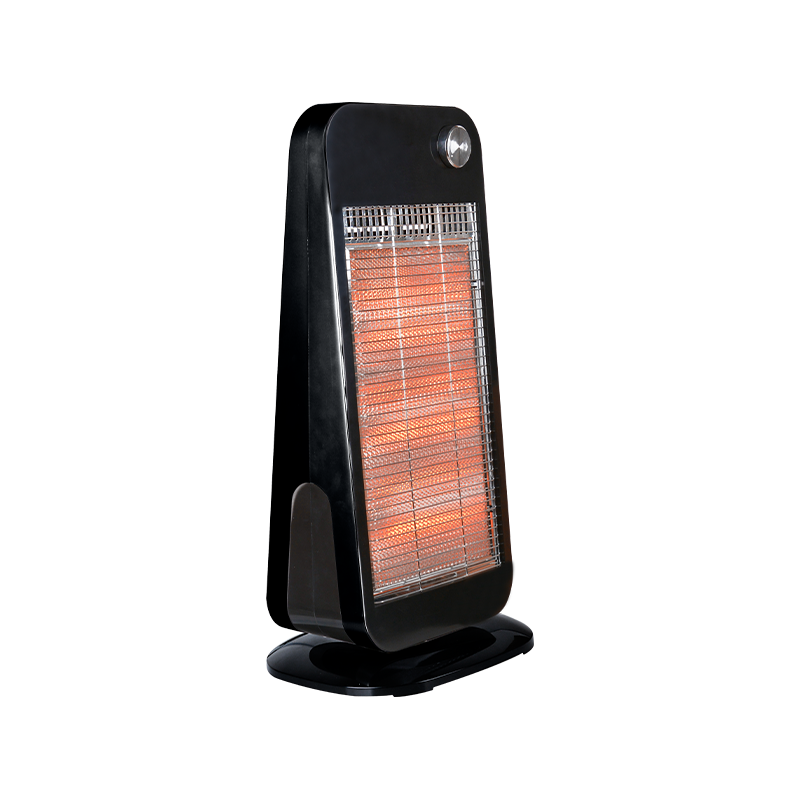
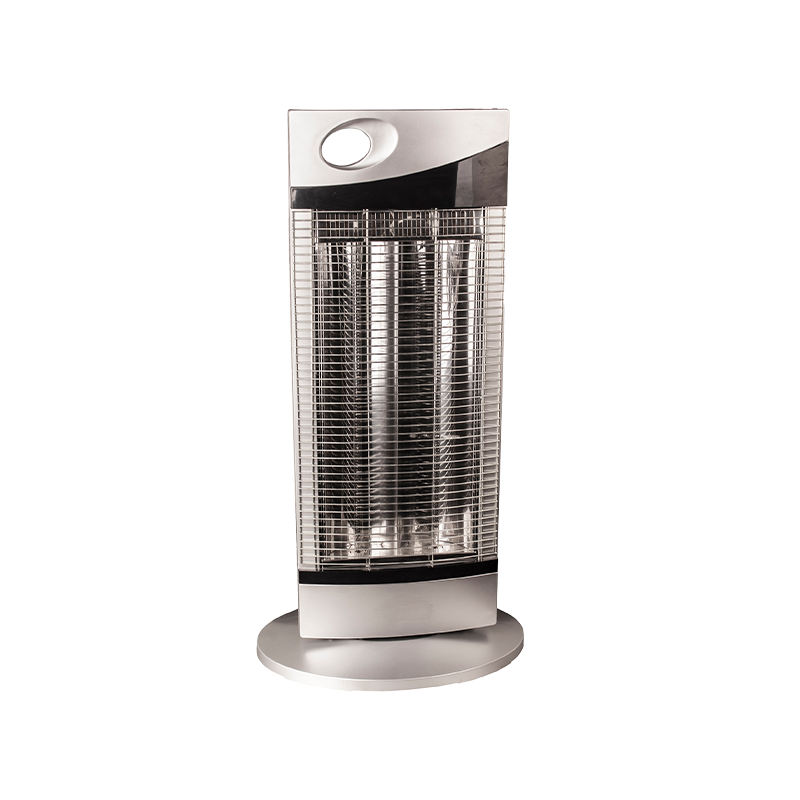
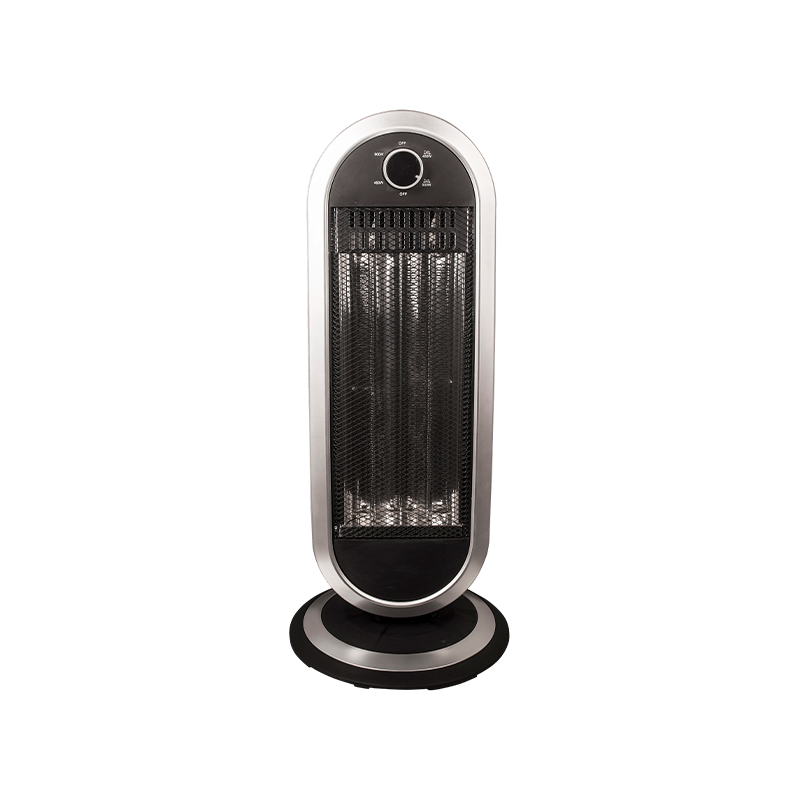
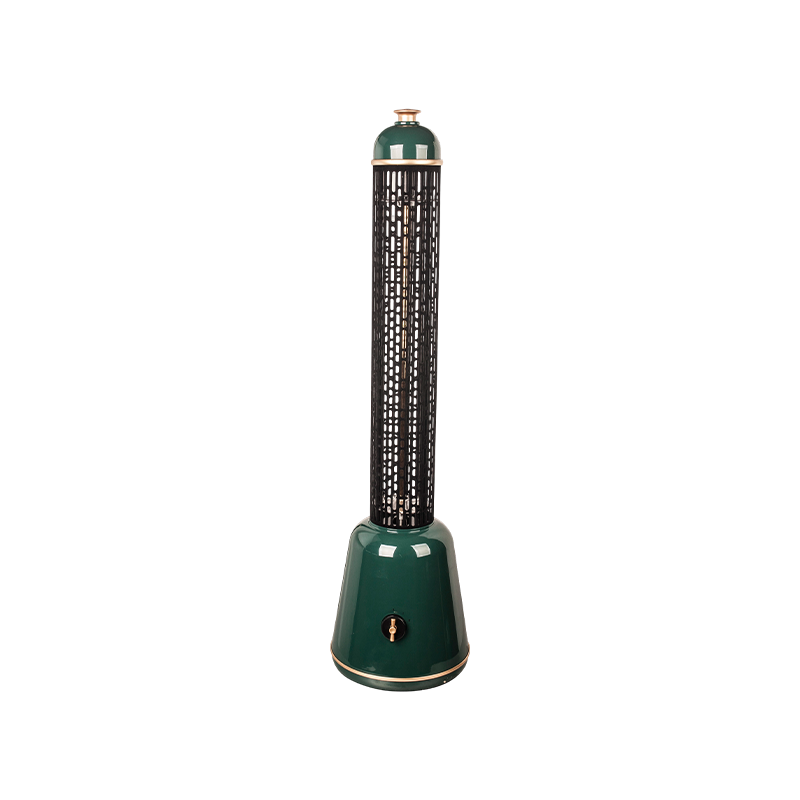
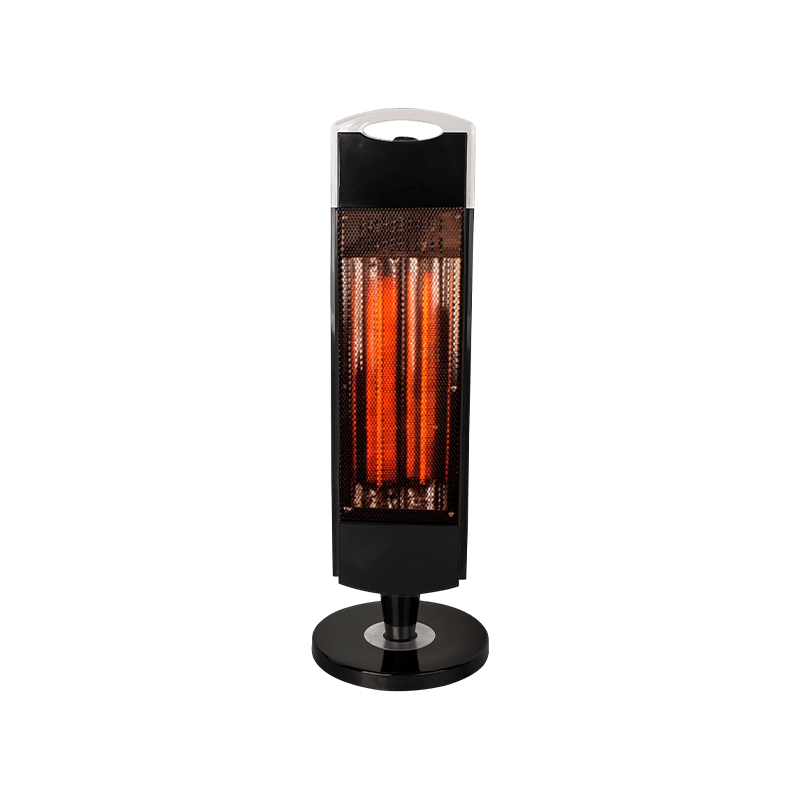
If your electric quartz heater has stopped working, the most common culprits are a tripped circuit breaker, a faulty power connection, a blown internal fuse, or a malfunctioning thermostat. In most cases, you can diagnose and fix the problem yourself in under 15 minutes — no professional repair needed. This guide walks you through every major failure point and how to resolve it.
How an Electric Quartz Heater Works (and Why It Fails)
Electric quartz heaters use a tungsten filament sealed inside a quartz glass tube. When electricity passes through the filament, it heats up to around 1,800°F (982°C) and emits infrared radiation that warms people and objects directly — not the air. This makes them fast, efficient, and silent.
Because quartz heaters operate at very high internal temperatures, several components are under constant thermal stress. The most vulnerable parts are:
- The quartz heating element (tube)
- The internal thermal fuse or cutoff switch
- The thermostat or temperature sensor
- The power cord and plug connection
- The overheat protection (tip-over switch)
Understanding which part failed helps you fix it faster. Let's go through each problem one by one.
Problem 1: Heater Won't Turn On at All
This is the most common complaint. If pressing the power button does nothing — no light, no heat, no fan — work through this checklist in order:
Check the Power Source First
- Plug a different device (e.g., a lamp) into the same outlet to confirm it has power.
- Check your home's electrical panel for a tripped breaker. Electric quartz heaters typically draw 1,000–1,500 watts, enough to trip a shared 15-amp circuit.
- If the heater is plugged into a power strip, plug it directly into a wall outlet instead — power strips are a common cause of insufficient current delivery.
Inspect the Power Cord
Run your hand along the entire length of the cord, feeling for kinks, pinch points, or heat-damaged spots. A cord that has been run under a rug or caught in a door can develop an internal break that isn't visible from the outside. If the cord feels warm anywhere it shouldn't be, stop using the heater immediately — this is a fire hazard.
Reset the Tip-Over Safety Switch
Most modern quartz heaters have a tip-over switch at the base that cuts power if the unit is knocked over. Even if the heater appears upright, this switch can trigger during transport. Place the heater on a flat, hard surface, press firmly down to seat it evenly, then try powering it on again.
Problem 2: Heater Turns On But Produces No Heat
The unit powers up — the light or fan runs — but no warmth comes out. This almost always points to a failed heating element or a blown thermal fuse.
Burned-Out Quartz Tube
Look through the heater's grill at the quartz tube. A working tube glows orange-red within a few seconds of startup. If the tube stays dark or shows a white or cloudy appearance, the filament has burned out. The average lifespan of a quartz heating element is around 5,000 hours of use. Replacement tubes are widely available for $8–$25 depending on wattage and are usually easy to swap at home.
Blown Thermal Fuse
A thermal fuse is a one-time-use safety component that permanently breaks the circuit if the heater overheats. Once it blows, the heater won't produce heat until the fuse is replaced. You can test it with a multimeter set to continuity mode — a blown fuse will show no continuity. Replacement fuses typically cost under $5 and are rated by temperature (commonly 157°C or 192°C for quartz heaters).
Faulty Thermostat
If the thermostat is stuck reading the room as "already warm enough," it will never signal the element to activate. Try turning the thermostat dial to its highest setting. If heat starts flowing, the thermostat may be miscalibrated. If it still doesn't respond, the thermostat component needs replacement.
Problem 3: Heater Keeps Shutting Off
Automatic shutoff is the heater protecting itself. If your unit repeatedly cycles off within minutes of starting, these are the likely causes:
| Cause |
How to Identify |
Fix |
| Blocked airflow / overheating |
Unit feels very hot to touch; shuts off after 5–10 min |
Clear 12 inches of space around unit; clean vents |
| Dust buildup inside |
Burning smell on startup; visible dust on grill |
Vacuum grill; use compressed air on internals |
| Thermostat set too low |
Shuts off once room reaches set temp |
Raise thermostat setting |
| Faulty overheat sensor |
Shuts off immediately even when cool |
Replace sensor or contact manufacturer |
| Unstable power supply |
Other devices on same circuit also flicker |
Plug into a dedicated 20-amp circuit |
Common reasons an electric quartz heater repeatedly shuts off and how to resolve each one.
Dust is the leading cause of overheating shutdowns. A heater that hasn't been cleaned in one season can accumulate enough dust on its internal reflector and element to raise operating temperatures by 15–20%, triggering the safety cutoff far earlier than normal.
Problem 4: Strange Smell or Burning Odor
A mild burning smell during the first use of the season is normal — you're burning off accumulated dust. However, a persistent, strong burning odor is a warning sign that should never be ignored.
Dust Burn-Off (Normal)
If the smell fades within 10–15 minutes on first use, it's just surface dust burning off the element and reflector. Run the heater in a ventilated room for 20 minutes before regular use.
Plastic or Electrical Burning Smell (Serious)
A sharp, acrid odor resembling burning plastic indicates an electrical fault — a melting wire insulation, a failing plug, or an internal component overheating due to failure. Turn the unit off immediately, unplug it, and do not use it again until the source of the smell is identified. This type of fault can cause fires if ignored.
Foreign Objects Near the Element
Quartz heaters placed near curtains, furniture, or papers can scorch those items, producing a burning smell that seems to come from the heater. Always maintain a minimum clearance of 3 feet (0.9 m) on all sides and never place anything on top of the unit.
Problem 5: Heater Makes Unusual Noises
Quartz heaters are inherently quiet — they have no moving parts in their core heating system. Any noise beyond a faint hiss from air convection deserves attention.
- Clicking on startup: Normal — thermal expansion of the quartz tube and metal housing as they heat up rapidly.
- Buzzing or humming: Often caused by a loose reflector panel vibrating against the housing. Open the back panel (unplug first) and check for loose screws.
- Crackling or popping mid-operation: May indicate the quartz tube is cracked. A cracked tube is a safety hazard — replace it immediately.
- Fan rattling (fan-assisted models): Debris caught in the fan or a worn fan bearing. Clean the fan blades with compressed air or replace the fan motor.
Step-by-Step Diagnostic Checklist
Use this checklist before assuming your heater needs professional repair or replacement. Work through it top to bottom:
- Confirm the outlet has power (test with another device).
- Check for a tripped breaker or blown fuse in your home's electrical panel.
- Plug the heater directly into a wall outlet — bypass all power strips and extension cords.
- Inspect the power cord for visible damage.
- Place the heater on a flat surface and ensure the tip-over switch is seated correctly.
- Turn the thermostat to maximum and wait 60 seconds for a response.
- Look through the grill — does the quartz tube glow orange? If not, the element may be dead.
- Clean dust from vents and grill with a vacuum or compressed air.
- Allow the unit to cool for 30 minutes and retry — a thermal safety cutoff may have been triggered.
- If none of the above resolves the issue, open the unit (unplug first) and test the thermal fuse with a multimeter.
When to Replace Instead of Repair
Not every broken quartz heater is worth fixing. Use this general rule: if the repair cost exceeds 50% of the replacement cost, buy a new unit.
| Repair |
Typical DIY Cost |
Worth Repairing? |
| Replace quartz tube |
$8–$25 |
Yes |
| Replace thermal fuse |
$3–$8 |
Yes |
| Replace thermostat |
$10–$20 |
Yes, for quality units |
| Replace power cord |
$5–$15 |
Yes |
| Replace control board |
$30–$60+ |
Usually no — buy new |
Estimated DIY repair costs for common electric quartz heater components and whether repair is cost-effective.
If your heater is more than 5–7 years old and requires multiple component replacements, investing in a new unit is usually the smarter financial and safety decision. Modern electric quartz heaters are more energy-efficient and come with improved safety features like ceramic-coated housings and auto-off timers.
Preventive Maintenance to Avoid Future Problems
Most quartz heater failures are preventable. Following a simple seasonal maintenance routine can extend your heater's lifespan significantly.
- Clean the grill and vents at the start of every heating season using a vacuum with a brush attachment or compressed air.
- Never touch the quartz tube with bare hands. Skin oils create hot spots on the glass that cause premature cracking. Use clean gloves or a cloth when handling.
- Store the heater in a dust-free location during off-season months. A storage bag or original box prevents dust ingress.
- Check the power cord annually for any signs of wear, discoloration, or heat damage near the plug.
- Always plug into a grounded outlet that can handle the heater's rated wattage — typically requiring a dedicated 15- or 20-amp circuit.
- Never run the heater unattended for extended periods or while sleeping — even the best safety features aren't a substitute for basic precautions.
Final Verdict
The majority of electric quartz heater problems can be solved without a repair technician. Start with the simplest checks — power supply, thermostat settings, and the tip-over switch — before assuming internal failure. When a component does need replacing, quartz tubes and thermal fuses are inexpensive and easy to source online. Only consider professional repair or full replacement when the control board or wiring is at fault, as these repairs typically exceed the cost-effectiveness threshold for most budget to mid-range units.
With proper maintenance and a bit of troubleshooting know-how, your electric quartz heater should deliver reliable warmth for 5 to 10 years or more.



 English
 中文简体
中文简体