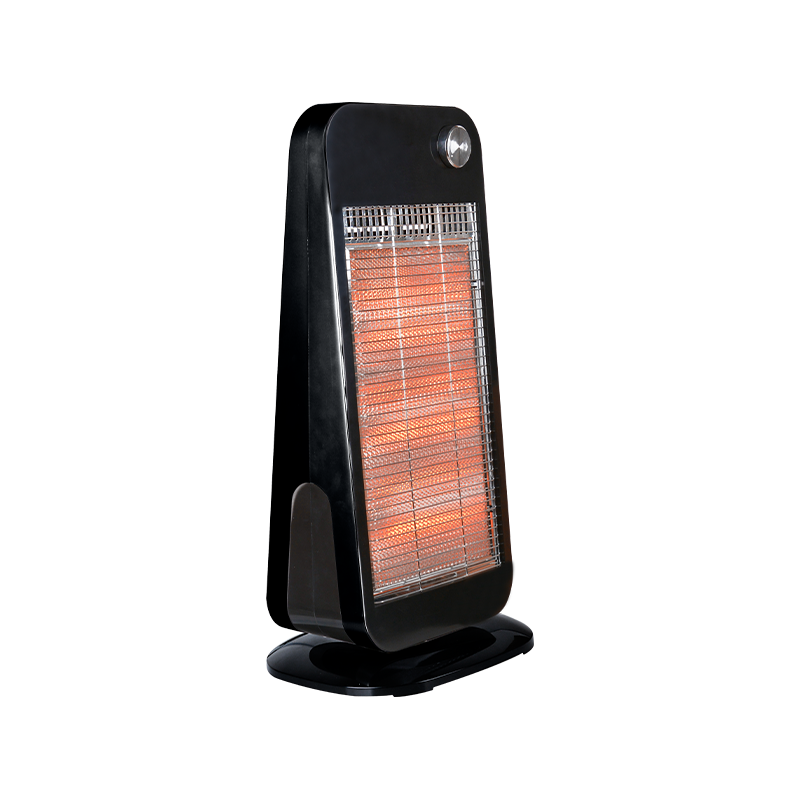
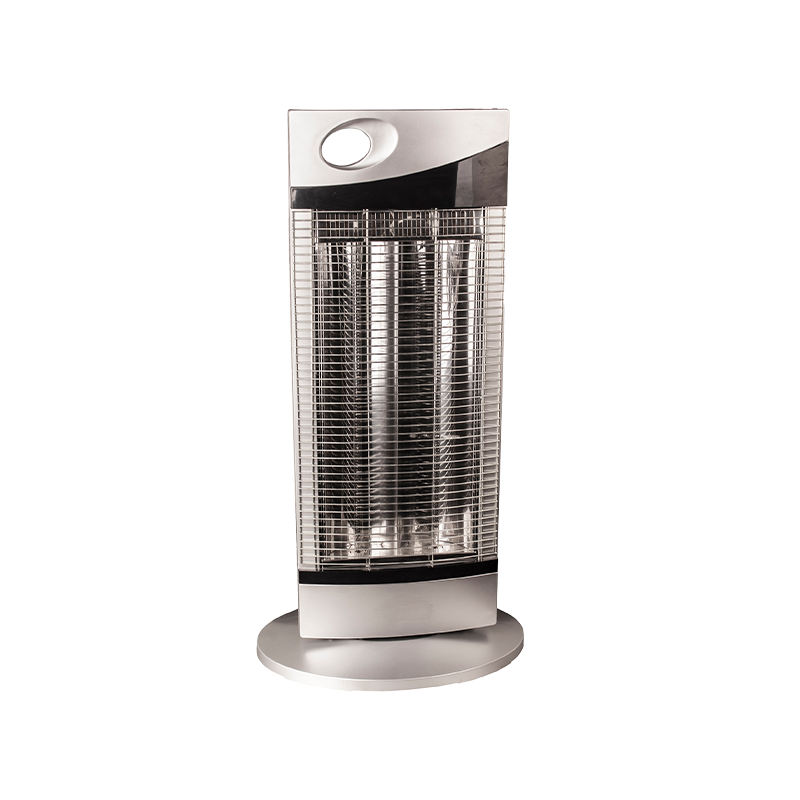
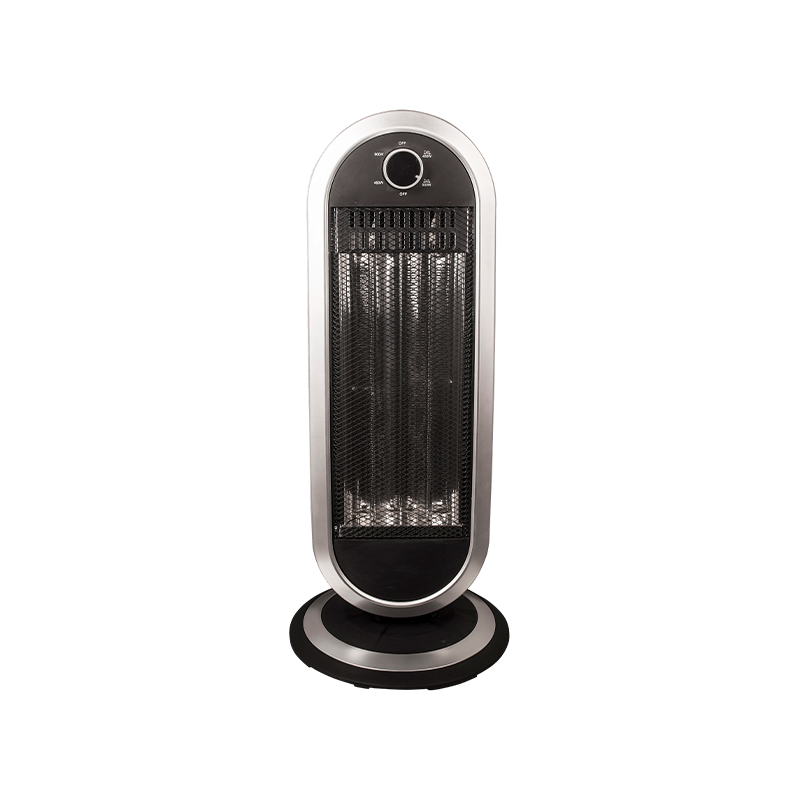
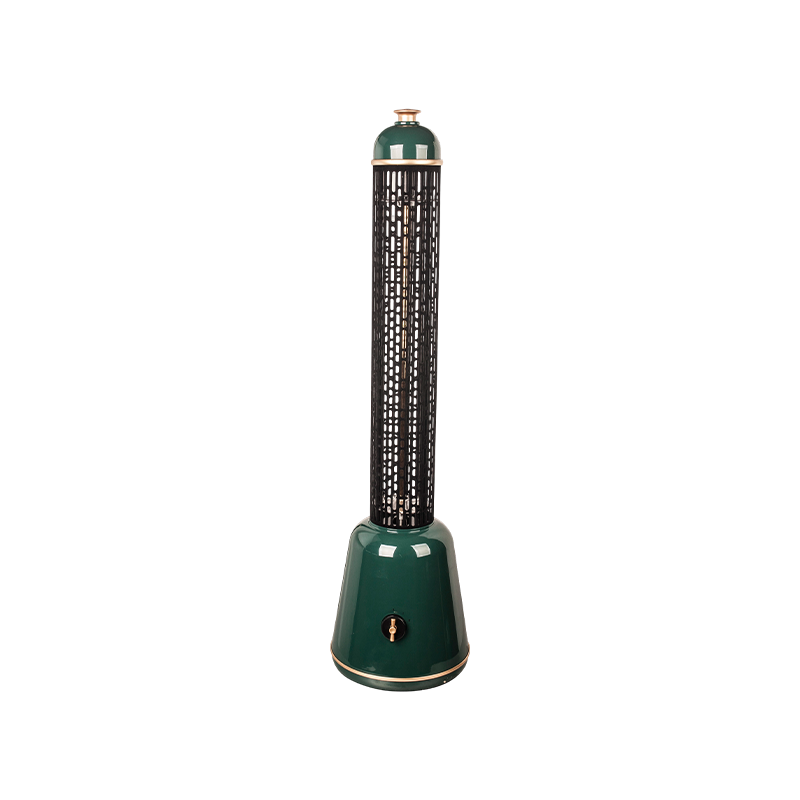
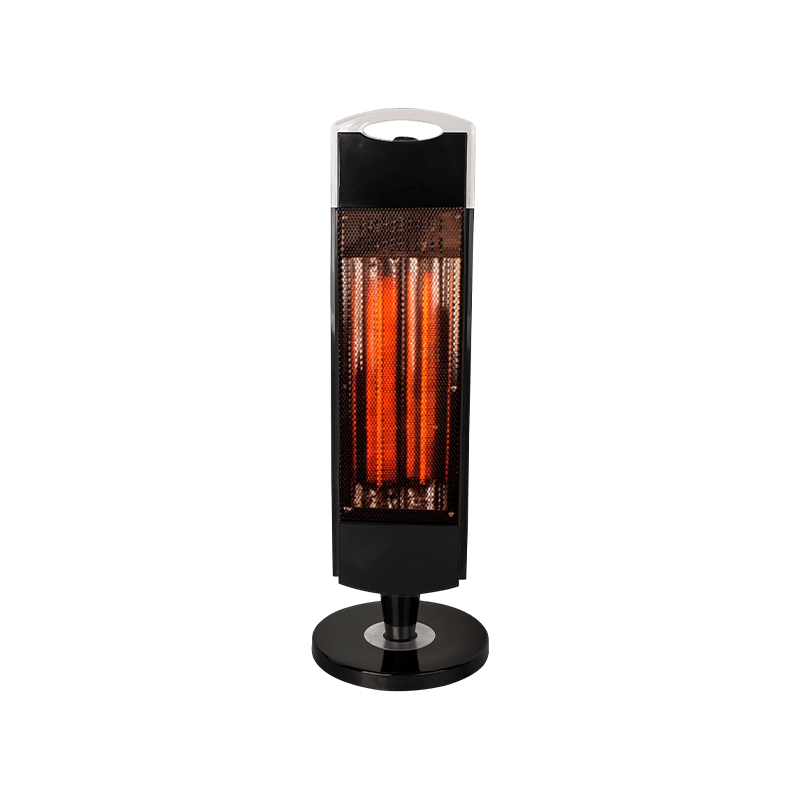
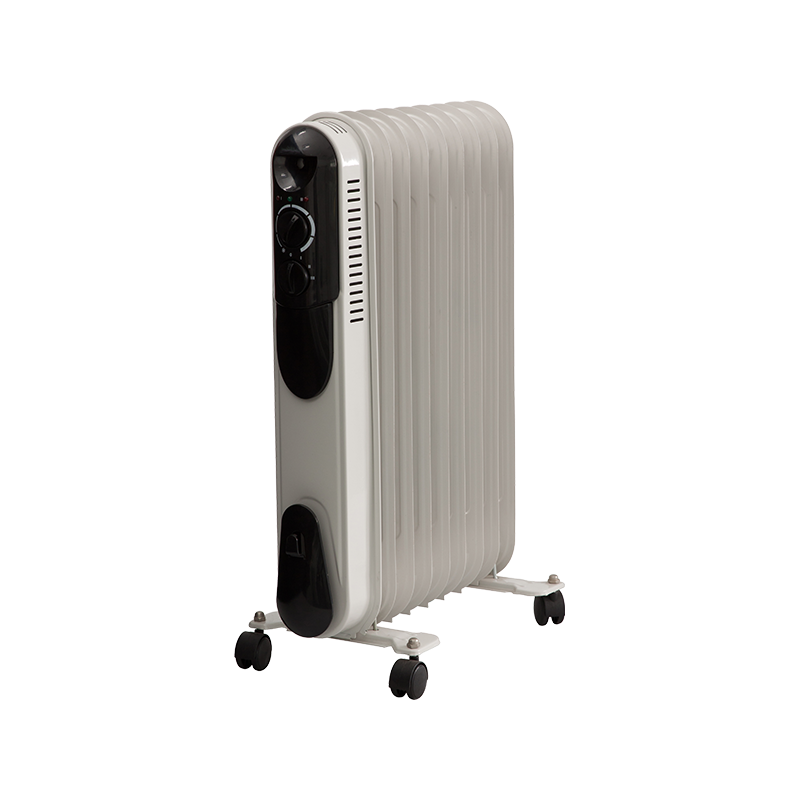
Electric ceramic heaters have become increasingly popular due to their efficiency, versatility, and quick heating capabilities. Whether used in homes or industrial settings, these heaters offer distinct advantages over other conventional heating methods.
What Makes Electric Ceramic Heaters Efficient?
Electric ceramic heaters are known for their exceptional efficiency, primarily due to the ceramic elements that are used as the heat source. Ceramic materials, such as silicon carbide, are excellent at quickly heating up and maintaining a high temperature without requiring continuous energy input. The way ceramic heaters operate is what sets them apart from other traditional electric heaters.
The primary factor contributing to the efficiency of electric ceramic heaters is their fast heat-up time. When electricity is passed through the ceramic element, it heats up quickly and transfers the heat to the surrounding air, which then circulates around the room. This direct transfer of heat ensures that energy is used effectively, without excessive wastage.
Another key advantage is their ability to target specific areas for heating. Unlike conventional heaters that may need to warm an entire room, electric ceramic heaters can focus their heat on particular spaces, which improves their energy efficiency. Many models come with oscillating fans that help distribute heat evenly, further improving the effectiveness of the unit.
Lastly, most electric ceramic heaters come with built-in thermostats and timers, allowing them to maintain a consistent temperature. The thermostat prevents overheating by automatically turning the heater off once the desired temperature is reached. This mechanism ensures that the heater operates only when necessary, reducing energy waste.
Efficiency in Home Use:
In residential settings, electric ceramic heaters are popular for their ability to heat specific rooms or areas. Homeowners often prefer these heaters for their energy-saving features, compact design, and quiet operation. When it comes to heating a single room, a ceramic heater is much more efficient than a central heating system, which tends to heat large areas even when only one room is being used.
One of the main reasons electric ceramic heaters are efficient in homes is their targeted heating. They allow homeowners to only heat the rooms they are using, avoiding the need to warm the entire house. This is especially beneficial in homes where not all areas are occupied at all times, such as in bedrooms or guest rooms.
Furthermore, electric ceramic heaters are quick to heat up and cool down. In the morning, for instance, it only takes a few minutes for the heater to reach the desired temperature, providing immediate comfort. Many models also include additional features like oscillating fans and adjustable settings, ensuring that the heat is distributed evenly across the room.
In addition to heating smaller rooms, electric ceramic heaters can be very effective in larger spaces with proper planning. For example, in open-plan homes, several heaters can be used to effectively warm the different zones without wasting energy in areas where heating is not necessary.
Efficiency in Industrial Use:
Electric ceramic heaters are also commonly used in industrial applications, where precision heating is critical. In environments like warehouses, factories, or workshops, where large spaces need to be heated, electric ceramic heaters offer a unique combination of efficiency and effectiveness. They are used to heat specific areas of a factory floor, machinery, or even for processes like drying, curing, or molding.
One of the main reasons electric ceramic heaters are used in industrial applications is because of their quick response time. In many industrial settings, maintaining a consistent temperature is crucial for product quality. Ceramic heaters provide rapid heating, helping industries meet precise temperature requirements for different manufacturing processes.
The durability of electric ceramic heaters also plays a crucial role in their industrial efficiency. These heaters are designed to withstand high temperatures, making them ideal for use in environments where equipment is constantly exposed to heat. Their ability to operate reliably under high demands without constant maintenance increases their efficiency and reduces the overall cost of operation.
Finally, many industrial electric ceramic heaters come with built-in temperature controls and safety features. This ensures that they operate safely in high-temperature settings, preventing overheating and ensuring consistent performance over time.
| Feature |
Description |
| Quick Heating |
Ceramic elements heat up rapidly, reducing the time required for warmth. |
| Targeted Heating |
Heats specific areas, ensuring energy is used efficiently without wastage. |
| Temperature Control |
Built-in thermostats and timers help maintain a consistent temperature and reduce energy consumption. |
| Durability |
Suitable for high-temperature environments, ideal for industrial use. |
| Versatile Applications |
Can be used for a range of residential and industrial applications, from space heating to curing processes. |
Factors That Affect Efficiency:
While electric ceramic heaters are generally efficient, several factors can influence their performance. These include:
-
Room Size and Insulation:
The effectiveness of the heater is highly dependent on the room’s size and insulation. In well-insulated spaces, the heater can maintain the desired temperature with less energy, while poorly insulated rooms will require more energy to achieve the same results.
-
Heater Features:
The specific features of the heater, such as fans, adjustable thermostats, and oscillation, also impact energy efficiency. Heaters with advanced features tend to be more effective in distributing heat and maintaining consistent temperatures, reducing the need for constant adjustments.
-
Usage Patterns:
The way the heater is used can significantly affect its efficiency. If the heater is left running for extended periods in an empty room, it will consume more energy than necessary. It is essential to use timers and temperature control features to ensure the heater operates only when needed.
-
Environmental Conditions:
In industrial applications, factors like ambient temperature and the presence of other heating systems can impact the performance of the ceramic heater. For example, heaters used in large, drafty warehouses may need to work harder to maintain consistent temperatures, which can increase energy consumption.
Comparison with Other Heating Methods:
Electric ceramic heaters are often compared to other types of heating systems, such as electric baseboard heaters, oil-filled radiators, and central heating systems. Below is a comparison of electric ceramic heaters with some of these alternatives:
| Heating System |
Advantages |
Disadvantages |
| Electric Ceramic Heaters |
Fast heat-up time, energy-efficient, targeted heating, low maintenance. |
Limited to smaller spaces unless scaled up. |
| Electric Baseboard Heaters |
Easy installation, silent operation, good for small rooms. |
Slow to heat up, can be inefficient in large spaces. |
| Oil-Filled Radiators |
Retains heat for longer after being turned off, silent operation. |
Takes longer to heat up, consumes more energy over time. |
| Central Heating Systems |
Heats entire home or building, can be very efficient. |
Expensive to install and maintain, consumes more energy. |
FAQ
Q1: How long does it take for an electric ceramic heater to warm up a room?
Electric ceramic heaters typically warm up a room in just a few minutes due to the fast heat-up time of the ceramic elements. However, the exact time will depend on the room size and the heater’s power output.
Q2: Are electric ceramic heaters safe to use?
Yes, electric ceramic heaters are generally very safe. They are equipped with safety features like overheat protection and thermostatic controls, which help prevent overheating. However, it’s important to always follow the manufacturer’s guidelines for safe use.
Q3: Can electric ceramic heaters be used to heat large industrial spaces?
While electric ceramic heaters are excellent for heating specific areas or small to medium-sized industrial spaces, larger areas may require multiple units or alternative heating solutions. For large industrial spaces, it’s essential to select a heater with the right power output.
Q4: How can I increase the efficiency of my electric ceramic heater?
To maximize efficiency, ensure that the heater is used in well-insulated spaces, and use the heater’s thermostat or timer functions to avoid unnecessary operation. Additionally, positioning the heater correctly and ensuring good air circulation can help it work more effectively.
References
- Electric Ceramic Heaters: Advantages and Efficiency. (2023). Home Heating Technology Review.
- Energy Efficiency in Electric Heating Systems. (2022). Energy Saving Journal.
- The Benefits of Ceramic Heaters for Industrial Applications. (2021). Industrial Heating Technologies.
- Understanding Heating Systems: A Comparative Study. (2020). Residential and Commercial Heating Guide.



 English
 中文简体
中文简体