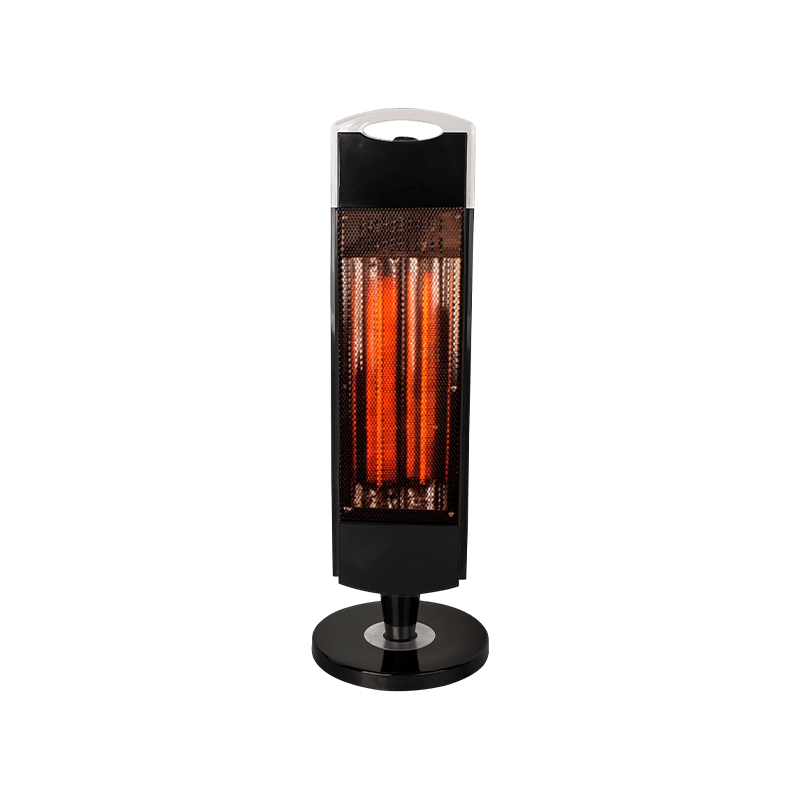
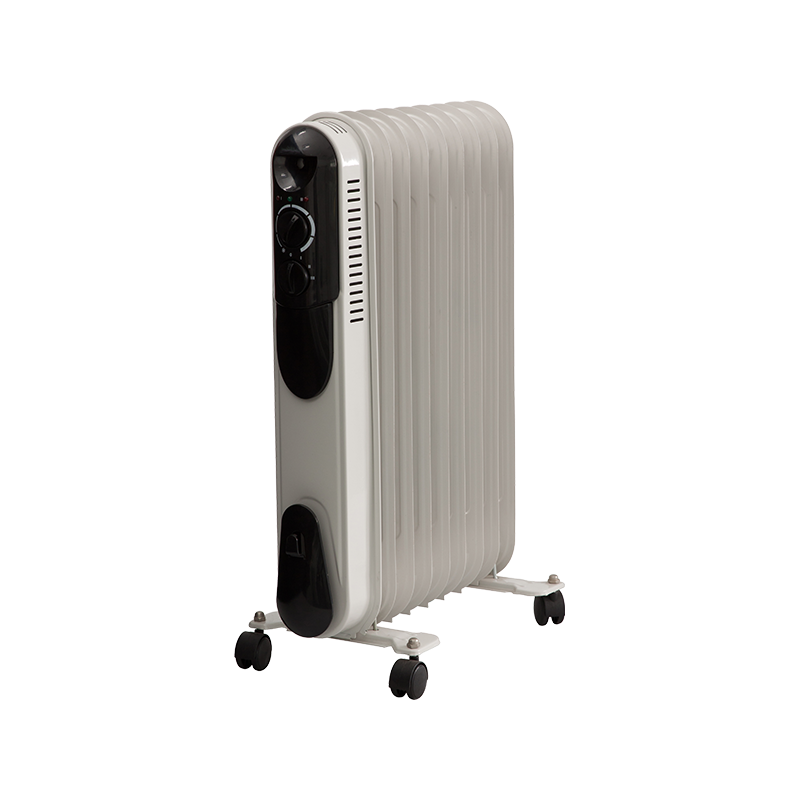
In the modern home environment, choosing the right ventilation device is no longer just about “blowing air.” With the rapid rise of Smart Home Automation, consumers are increasingly torn between the high-tech convenience of Smart Tower Fans and the raw cooling power of Traditional Pedestal Fans.
Why Smart Tower Fans are the Ideal Choice for Bedrooms
Ultimate Silence and the Science of Sleep
In a bedroom environment, Noise Levels (dB) are a critical metric for quality of life. Smart tower fans typically utilize a cross-flow fan wheel design. This internal structure allows air to move evenly across a longer path, significantly reducing the “chopping” sound produced by traditional blades. For light sleepers, smart fans offer a low-decibel environment (often below 30dB). Combined with precision-engineered Brushless DC Motors, these units create a whisper-quiet atmosphere equivalent to a library, ensuring that your REM cycle remains undisturbed by mechanical hums.
Convenience Through Smart IoT Integration
As a focal point for modern smart living, Internet of Things (IoT) integration is the primary selling point for tower fans. With Wi-Fi connectivity, users can manage their environment via smartphone apps or voice assistants like Alexa and Google Home. Imagine feeling a chill in the middle of the night; instead of fumbling for a remote in the dark, a simple voice command adjusts the speed. Furthermore, Smart Scheduling features allow for “staircase cooling”—starting with a high wind speed at bedtime and automatically transitioning to a gentle “Natural Breeze” mode as your core body temperature drops in the early morning hours.
Spatial Efficiency and Modern Aesthetic Design
From an industrial design perspective, the vertical architecture of a tower fan optimizes the Floor Footprint. In bedrooms where space is at a premium, these units tuck neatly into corners or narrow gaps between furniture. Their sleek, bladeless appearance aligns perfectly with minimalist or contemporary interior design trends, acting more like a piece of high-end decor than a functional appliance.
The Core Advantages of Traditional Pedestal Fans
Superior Aerodynamic Performance (CFM)
While smart fans win on tech, traditional pedestal fans still dominate in terms of Airflow Capacity (measured in Cubic Feet per Minute, or CFM). Their large-diameter blades follow aerodynamic principles to create higher central pressure, pushing cool air to the furthest corners of a room. For bedrooms without central air conditioning or those with larger square footage, the powerful Air Circulation provided by a pedestal fan is often the only effective way to achieve rapid temperature reduction during peak summer heat.
Versatile Oscillation and Vertical Adjustability
The physical structure of a pedestal fan offers unmatched flexibility. With adjustable telescopic poles and tilting fan heads, users can direct airflow with surgical precision. Whether you are resting on a high-profile mattress or doing yoga on a floor mat, the fan can be adjusted to meet your exact height. This Full-Range Adjustability is a feature that fixed-height tower fans simply cannot replicate, making pedestal fans more “directional” for targeted cooling.
Maintenance, Hygiene, and Durability
For pragmatic consumers, the Ease of Maintenance is a significant highlight. The open-grille structure of a pedestal fan allows users to easily disassemble and wipe down the blades. This prevents the buildup of dust and allergens, which is vital for users with respiratory sensitivities. Furthermore, the mechanical simplicity of these fans often translates to a longer lifespan and a lower failure rate compared to complex digital towers, offering better long-term value for the money.
Key Specifications Comparison Table
The following table summarizes the differences in Cost-Efficiency, Airflow, and Intelligence to assist in your decision-making process.
| Metric |
Smart Tower Fan |
Traditional Pedestal Fan |
| Core Technology |
DC Inverter, Cross-flow Wheel, App Control |
AC Motor, 3-5 Blade Propeller System |
| Airflow Sensation |
Soft, Simulated Natural Wind, Streamlined |
Powerful, High Impact, Dispersed |
| Safety Profile |
High (No exposed blades; child/pet safe) |
Moderate (Grille gaps may pose risks) |
| Air Purification |
Often includes HEPA or Ionizer filters |
No built-in purification |
| Price Point |
Mid to High Range ($80 - $400+) |
Budget Friendly ($20 - $150) |
FAQ: Common Questions About Bedroom Fans
Q1: Are tower fans truly quieter than pedestal fans? Yes. Due to the centrifugal fan technology, tower fans produce a lower frequency noise that is less intrusive. They lack the high-pitched “whoosh” of large blades cutting through air, making them superior for sleep environments.
Q2: Do smart fans consume more electricity? On the contrary. While they have a Wi-Fi module, most smart fans utilize highly efficient DC motors. Their Energy Efficiency Ratio is significantly higher than the AC motors found in basic pedestal fans, leading to lower utility bills over time.
Q3: Which is better for allergy sufferers? We recommend a Smart Tower Fan with built-in Air Purification. While pedestal fans are easier to clean, tower fans can actively filter airborne particulates through internal HEPA filters before circulating the air.
References and Citations
- The Impact of Airflow Patterns on Sleep Quality: A Comparative Study of Residential Fans, International Journal of Environmental Research and Public Health, 2023.
- Efficiency Trends in Residential Cooling Appliances, Energy Star Technical Reports, 2024.
- Acoustic Performance in Modern Home Appliances, Journal of Sound and Vibration Engineering.



 English
 中文简体
中文简体