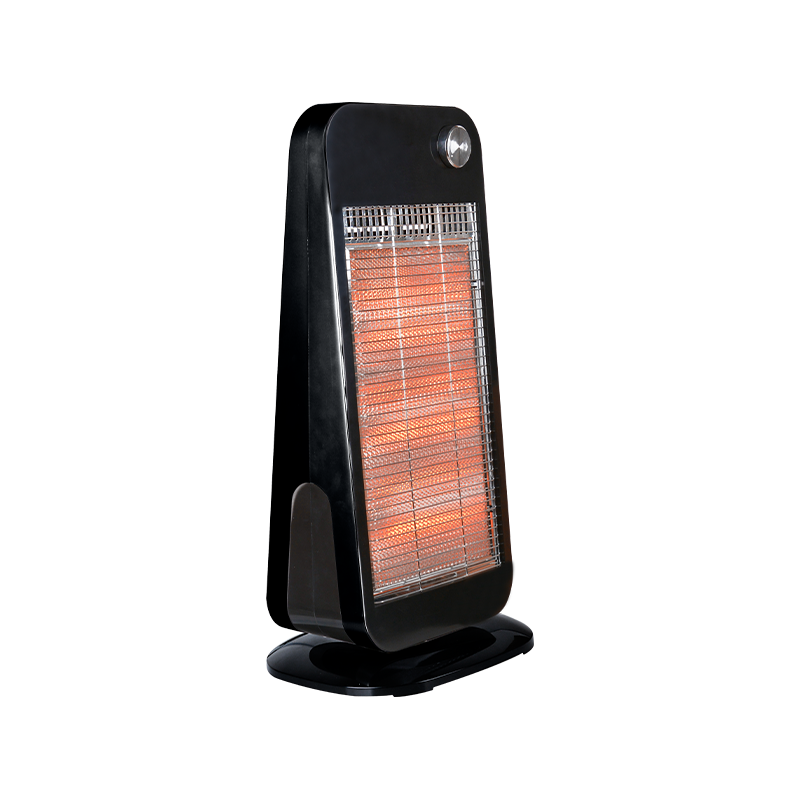
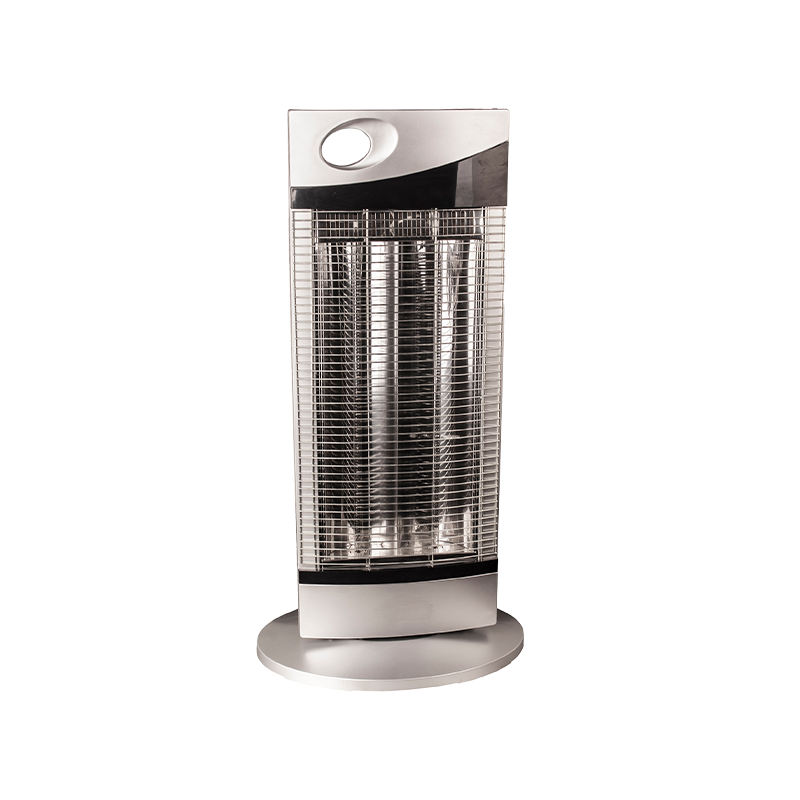
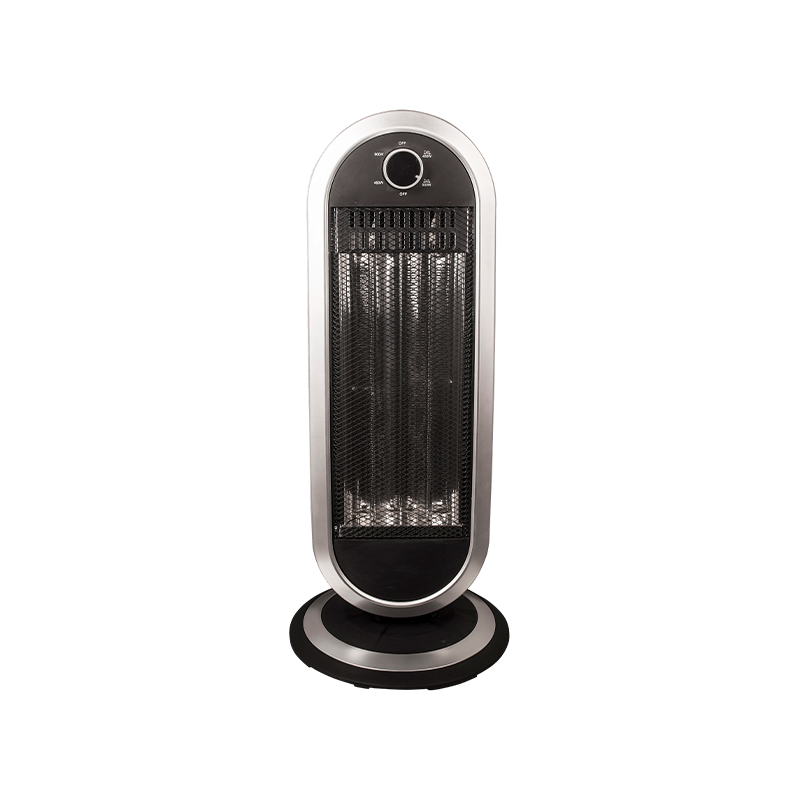
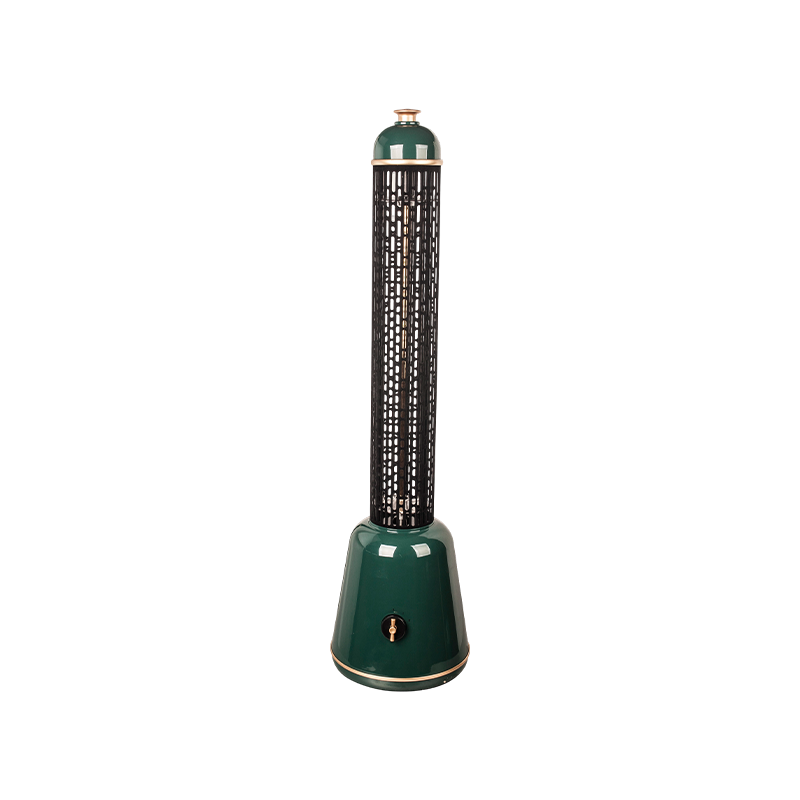
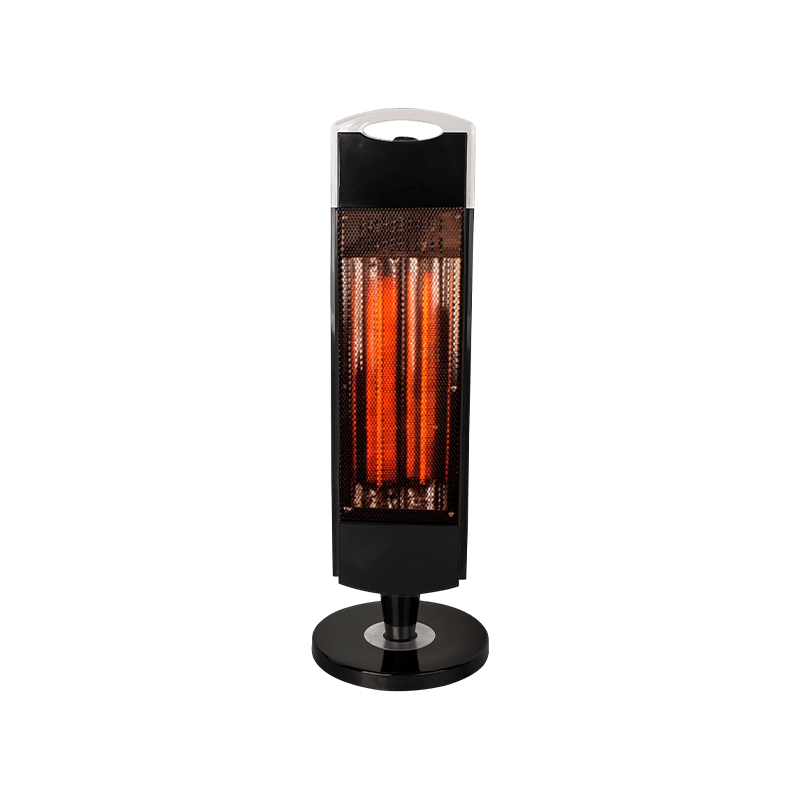
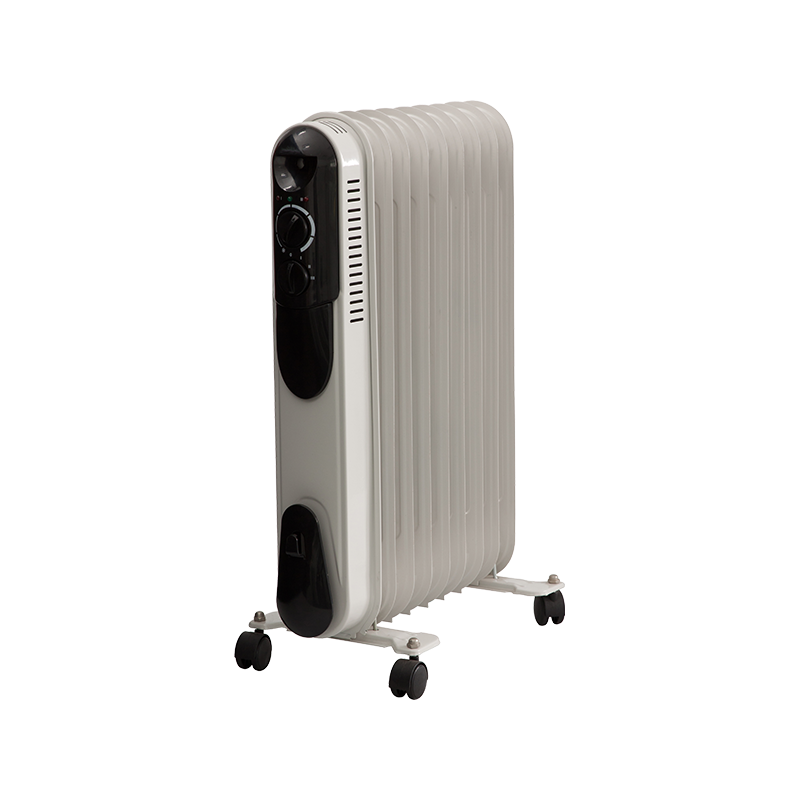
An Electric Quartz Heater is a type of electric heating device that uses quartz tubes and infrared radiation to provide warmth.
1. What Is an Electric Quartz Heater?
An Electric Quartz Heater is a device that heats a tungsten or nichrome wire inside a quartz tube using electricity. The tube then emits infrared radiation that directly warms people and objects. Unlike traditional convection heaters, which first heat the air and then rely on air circulation to spread warmth, quartz heaters use radiant heating. This is similar to the way sunlight warms your skin, transferring heat directly without significantly heating the surrounding air.
Quartz tubes are a key component. Quartz can withstand extremely high temperatures and allows infrared light to pass through efficiently, which explains why quartz heaters respond so quickly and provide instant warmth. When the wire inside the tube heats up, it emits infrared waves that travel outward, warming objects in their path.
Because radiant heating does not rely on air circulation, it does not cause rapid drying of the air, making it suitable for children, elderly people, or those in dry environments. Infrared radiation is part of the natural light spectrum, which humans encounter every day, so using a quartz heater is generally safe for the body.
2. How Does an Electric Quartz Heater Work?
An Electric Quartz Heater typically consists of three core components: the heating wire, the quartz tube, and a reflector. When electricity flows through the heating wire, it heats up rapidly, often reaching several hundred to over a thousand degrees Celsius. The quartz tube protects the wire and enhances the infrared radiation. Quartz can withstand extremely high temperatures without melting or releasing harmful substances.
The reflector, usually made of polished metal, functions like a flashlight reflector. It focuses the infrared heat in a specific direction, improving heating efficiency and precision. As a result, a quartz heater can provide warmth faster and more effectively than other electric heaters at the same power level.
When the quartz tube glows red, it indicates that infrared radiation is being emitted. The infrared waves penetrate objects in the room, warming their surfaces and allowing people to feel the heat almost immediately. Even in windy environments such as garages or outdoor patios, a quartz heater maintains its heating efficiency, unlike convection heaters, which can lose heat due to air movement.
Electric Quartz Heater vs. Other Common Heaters
| Device Type |
Heating Method |
Warm-Up Speed |
Affected by Airflow |
Suitable Usage |
Energy Efficiency |
| Electric Quartz Heater |
Infrared radiation |
Very fast (seconds) |
Not affected |
Local indoor heating, semi-outdoor areas |
High efficiency for targeted heating |
| Traditional Oil Heater |
Convection |
Slow |
Yes |
Bedroom heating |
High continuous power consumption |
| Electric Fan Heater |
Fan + heating element |
Fast |
Highly affected |
Small rooms |
Noisy, dries air |
| Air Conditioner (Heating) |
Compressor-based |
Moderate |
Yes |
Whole-house heating |
Energy use varies with temperature |
3. Advantages of an Electric Quartz Heater
One major advantage of an Electric Quartz Heater is instant heat. Unlike oil-filled heaters that may take 10–20 minutes to warm up, quartz heaters can produce noticeable warmth within seconds. This makes them ideal for bathrooms, office foot heating, outdoor stalls, or garages where immediate heat is needed.
Another advantage is energy efficiency. Because infrared heat warms objects directly rather than the air, nearly 100% of the energy is used effectively. For example, in a cold garage or near an entrance, convection heaters may struggle to maintain warmth due to air movement, while a quartz heater continues to provide steady, efficient heat.
Electric Quartz Heaters are also silent, as they have no fan or mechanical components. This makes them perfect for offices, bedrooms, or other quiet environments.
In terms of safety, modern quartz heaters often include tip-over protection, overheat protection, and external covers to prevent burns. Infrared heating produces no flame or smoke and does not consume oxygen, making it safe for long-term use.
4. Common Applications of Electric Quartz Heaters
Electric Quartz Heaters are widely used in various home, commercial, and outdoor settings due to their rapid heating, wind resistance, and efficiency in localized heating.
At home, they are commonly used as foot warmers in bedrooms, temporary heaters in bathrooms, kitchen heat supplements, or heating for elderly people. They do not excessively dry the air, making them ideal for dry climates or for people with sensitive skin.
In commercial settings, quartz heaters are often found on restaurant patios, outdoor markets, coffee shop entrances, warehouses, and security booths. In these environments, airflow can make heating difficult, but radiant heaters can provide consistent warmth for staff and customers.
Additionally, quartz heaters are suitable for garages, balconies, outdoor barbecue areas, and pet enclosures. They provide focused, stable heat even in partially open spaces and are relatively energy-efficient.



 English
 中文简体
中文简体