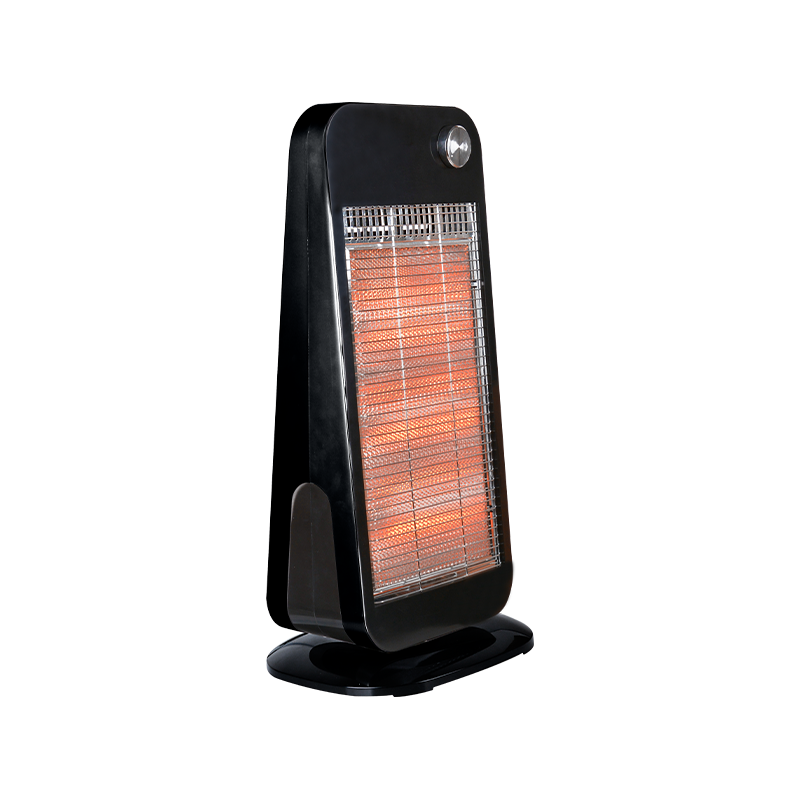
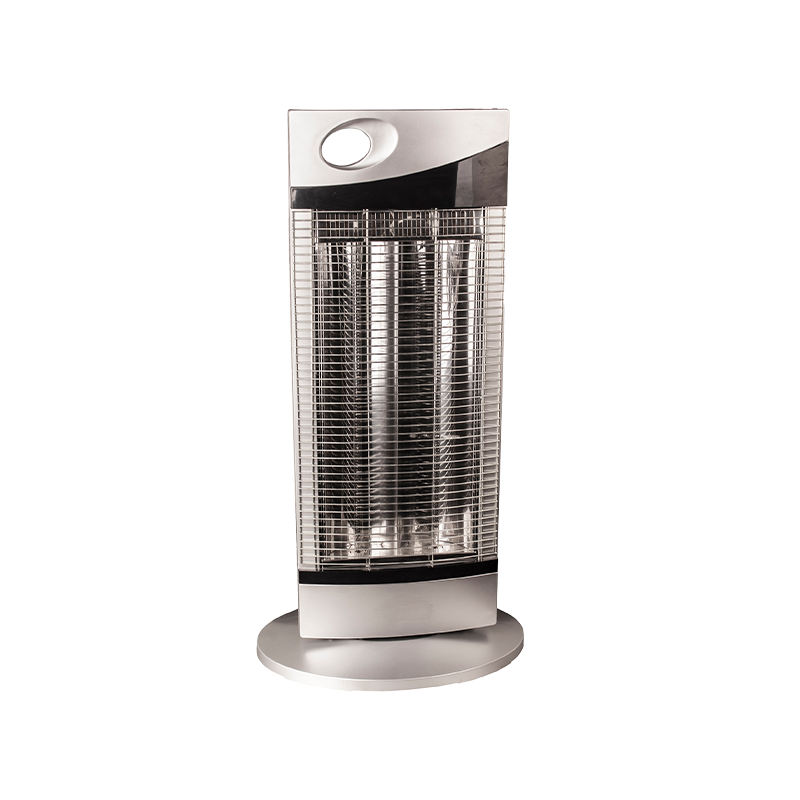
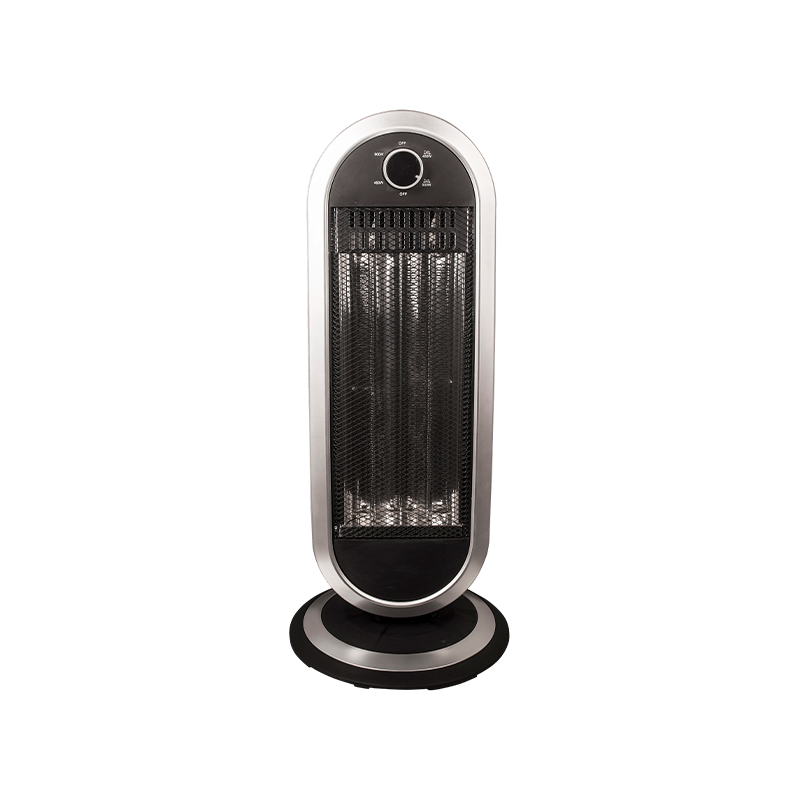
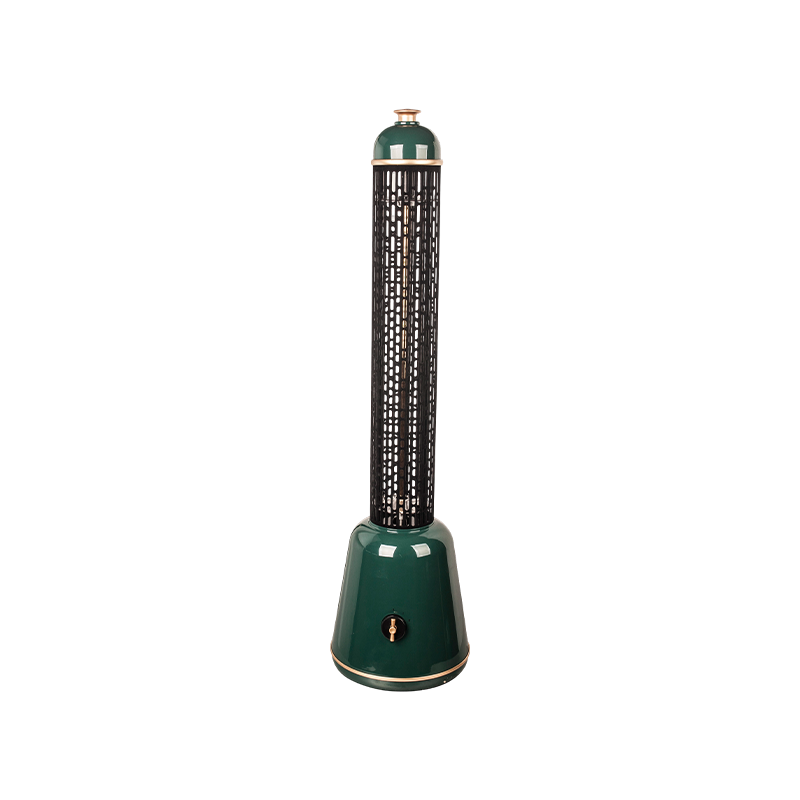
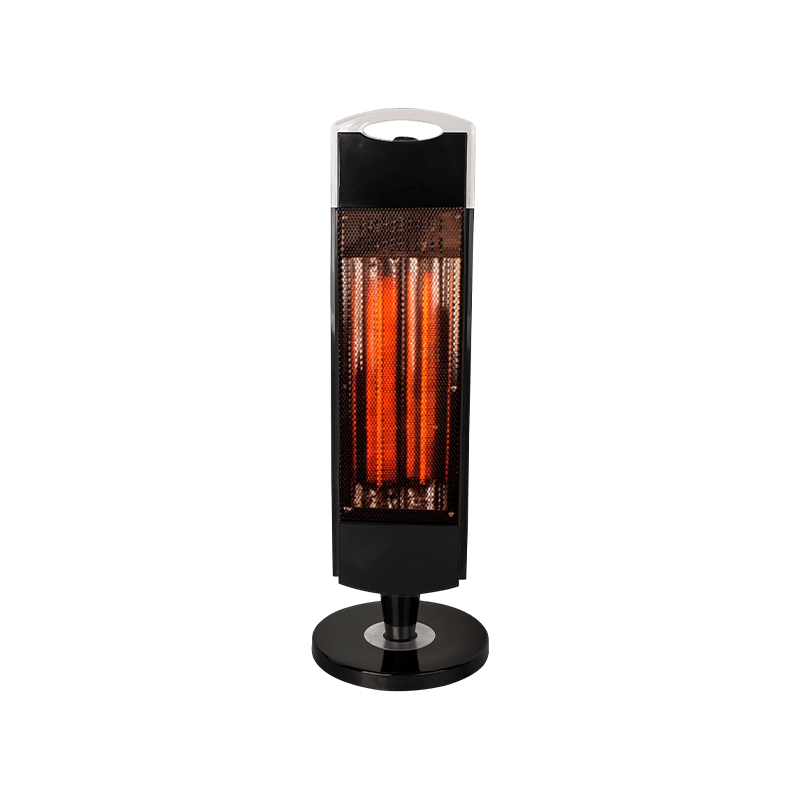
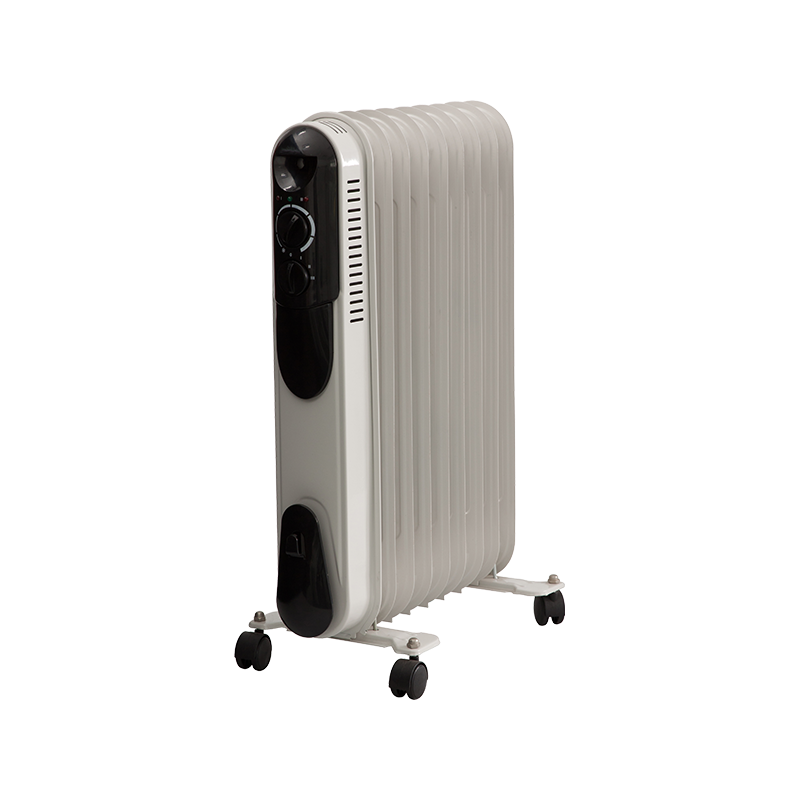
When the winter chill sets in, homeowners and office managers alike face a critical decision: how to stay warm without sending utility bills skyrocketing. The debate between the Electric Ceramic Heater and the Oil-Filled Radiator is at the forefront of energy-efficient home heating discussions. While both devices convert electricity into heat with nearly 100% efficiency at the point of use, the way they distribute that heat and maintain room temperature varies drastically. Choosing the wrong type of heater for your specific environment can lead to wasted energy and cold spots.
1. Understanding the Heating Mechanisms and Energy Transfer
To evaluate the true efficiency of any portable heating appliance, we must look at how energy is converted and moved into the surrounding environment. An Electric Ceramic Heater and an oil-filled radiator represent two different schools of thermodynamic thought: forced convection versus natural convection and radiation.
1.1 The Rapid Response of Ceramic Technology
An Electric Ceramic Heater operates using Positive Temperature Coefficient (PTC) ceramic heating elements. These are semi-conductive ceramic stones that have a unique self-regulating property. As the ceramic reaches a certain temperature, its electrical resistance increases, which prevents it from overheating and helps maintain a steady energy draw. A powerful internal fan blows air across these ceramic plates, instantly projecting a stream of hot air into the room.
This “forced convection” makes the ceramic heater the champion of speed. From the moment you flip the switch, you feel the warmth. For users who need “spot heating”—such as warming up a cold bathroom in the morning or providing immediate heat to a desk area—the ceramic heater is incredibly efficient because it doesn’t require a “warm-up” period. You aren’t paying for electricity while waiting for the device to get hot; the energy-to-comfort ratio is nearly instantaneous.
1.2 The Steady Persistence of Oil-Filled Radiators
In contrast, an Oil-Filled Radiator acts as a thermal reservoir. It contains a specialized diathermic oil that is never consumed or replaced. An electric heating element at the base of the unit warms this oil, which then circulates through the hollow metal fins via natural convection. The heat is then slowly radiated into the room and transferred to the air that passes through the fins.
The primary efficiency advantage here is thermal mass. While it might take 15 to 20 minutes for the radiator to become fully hot, it will remain warm for a significant amount of time after the power is cut. In a bedroom or an insulated living room, this “flywheel effect” allows the heater to cycle off for long periods while still providing a gentle, consistent warmth that doesn’t rely on a noisy fan.
2. Efficiency Comparison: Immediate vs. Long-Term Warmth
Efficiency in a space heater is often misunderstood. While a 1500W heater uses 1.5 kilowatts of power regardless of its type, the “operational efficiency” depends on the duty cycle—the percentage of time the heater is actually drawing power to maintain a set temperature.
2.1 Zone Heating and Targeted Efficiency
The Electric Ceramic Heater is the ultimate tool for “Zone Heating.” This is the practice of turning down the main thermostat for the whole house and only heating the room you are currently occupying. Because ceramic heaters are lightweight and directional, you can point the heat exactly where it is needed. This prevents the wasted energy of heating unoccupied corners or high ceilings. If you spend most of your day in an 8x10 office, running a 1500W ceramic heater is far more efficient than running a 30,000 BTU central furnace to heat the entire building.
2.2 Thermal Retention and Overnight Usage
When it comes to maintaining a steady temperature over 8 to 12 hours, the Oil-Filled Radiator often pulls ahead in terms of cost-effectiveness. Once the oil has reached its peak temperature, the internal thermostat will shut off the heating element. Because the metal fins and the oil have high heat retention, they continue to warm the room for 15-20 minutes without drawing a single watt of electricity.
This makes radiators ideal for overnight use in bedrooms. They create a “heat envelope” that feels more natural and less “stale” than the air from a fan-forced heater. Furthermore, the lack of a fan means there is no mechanical energy being used to move air, and no noise to disrupt sleep, making it a “passive” efficiency winner for long-duration heating.
2.3 Comprehensive Performance Comparison Table
| Feature |
Electric Ceramic Heater |
Oil-Filled Radiator |
| Heat-Up Time |
Instant (Under 60 seconds) |
Slow (15 - 25 minutes) |
| Energy Consumption |
750W / 1500W (Adjustable) |
600W / 900W / 1500W (Typical) |
| Noise Level |
Moderate (Fan noise) |
Silent (Silent operation) |
| Heat Retention |
Low (Cools fast when off) |
High (Stays warm after shutoff) |
| Ideal Room Size |
Small to Medium (Personal space) |
Medium to Large (Whole room) |
| Portability |
High (Lightweight/Compact) |
Moderate (Heavy/Includes wheels) |
| Primary Advantage |
Immediate warmth |
Consistent, steady temperature |
3. Cost Analysis: Impact on Your Monthly Electric Bill
Understanding the cost of running an Electric Ceramic Heater versus an oil radiator requires looking at the “Cost per BTU” and the duration of use. In most regions, electricity is billed by the kilowatt-hour (kWh). If your local rate is $0.15 per kWh, a 1500W heater costs approximately $0.23 per hour to run at full power.
3.1 Managing Costs with Programmable Features
Most modern Electric Ceramic Heaters come equipped with digital thermostats and eco-modes. These features are vital for efficiency. A high-quality ceramic heater will modulate its output—dropping from 1500W to 750W as it approaches the target temperature. This prevents the “over-shooting” of temperatures that often occurs with cheaper, manual models. By only using the maximum wattage for the initial heat-up, you can reduce your daily energy consumption by up to 30% compared to a heater that is either “fully on” or “fully off.”
3.2 The Longevity Factor in ROI
The ROI (Return on Investment) of a heater also involves its lifespan. Oil-filled radiators have no moving parts (like fans or motors), which means there is very little that can break. They often last 10-15 years with zero maintenance. Ceramic heaters, while highly efficient, do have a fan motor that will eventually wear out or collect dust. To maintain the efficiency of a ceramic unit, you must regularly clean the intake filter. A dusty heater is an inefficient heater; as the fan works harder to pull air through a clogged filter, it consumes more energy while providing less airflow.
4. Safety and Environmental Considerations for the Home
Efficiency isn’t just about electricity—it’s also about “Safety Efficiency,” or the ability to run a device without constant supervision or risk. A heater that requires you to stay awake to monitor it is not an efficient addition to a modern lifestyle.
4.1 Safety Features of Ceramic Models
The Electric Ceramic Heater is often considered the “safest” for households with children or pets. Because the heat is distributed via a fan, the plastic outer casing of the unit rarely gets hot enough to cause a burn. Most units feature a “cool-touch” exterior and advanced tip-over switches that cut power instantly if the unit is knocked over. Additionally, the PTC ceramic elements are inherently safer because they do not glow red-hot like older coil-style heaters, significantly reducing the risk of igniting nearby fabrics or dust.
4.2 The Environmental Benefits of Thermal Oil
From an environmental standpoint, the Oil-Filled Radiator is a champion of sustainability. The oil used is a specialized thermal fluid that does not degrade over time and never needs to be replaced or topped up. Because these units don’t use fans, they don’t kick up dust or allergens, making them the most efficient choice for individuals with asthma or allergies. Furthermore, because they provide a “softer” heat, they do not reduce the relative humidity of the room as aggressively as a forced-air ceramic heater, which helps prevent dry skin and static electricity during the winter months.
FAQ: Frequently Asked Questions
Q1: Is a ceramic heater better for a large living room?
A: Generally, no. A ceramic heater is best for “personal” space. For a large living room, an Oil-Filled Radiator is better because its convection currents are more effective at circulating warm air throughout a large volume of space over time.
Q2: Do ceramic heaters use more electricity than radiators?
A: If both are rated at 1500 Watts, they use the same amount of electricity per hour of active heating. However, a ceramic heater feels hotter faster, while a radiator stays warm longer after being turned off.
Q3: Can I leave an oil-filled radiator on all night?
A: Yes, oil-filled radiators are specifically designed for long-term, unattended use. They are silent and have no exposed heating elements. Just ensure the unit is placed at least three feet away from furniture or curtains.
Q4: Why does my ceramic heater have a “burning” smell when I first turn it on?
A: This is usually just dust burning off the PTC heating element. It is common after the heater has been in storage. Cleaning the air intake with a vacuum can help minimize this smell and improve energy efficiency.
References & Industry Standards
- U.S. Department of Energy (DOE): Portable Heaters for Energy Savings - A guide on using space heaters to reduce central heating costs.
- Consumer Reports: Space Heater Buying Guide - Independent testing on heating speed and safety.
- National Electrical Manufacturers Association (NEMA): Standard for Portable Electric Room Heaters.
- ISO 9001:2015: Quality Management Systems for Household Electrical Appliances.



 English
 中文简体
中文简体