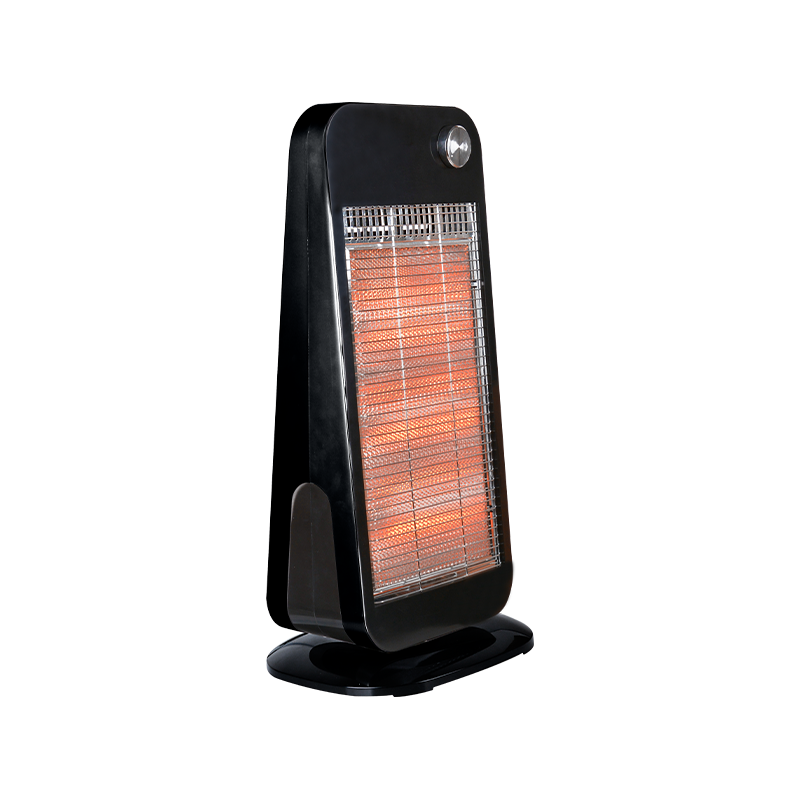
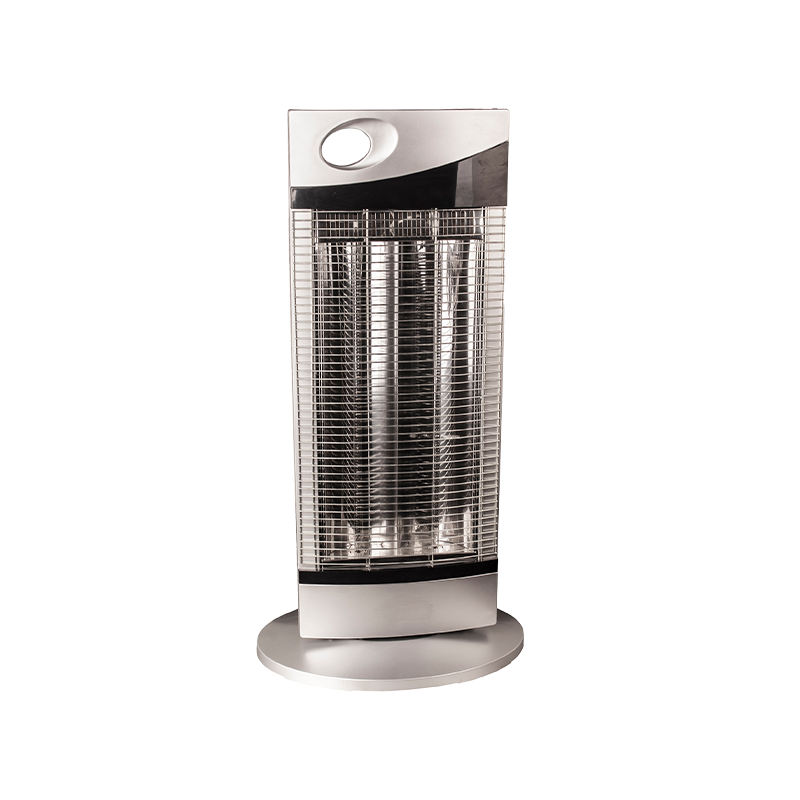
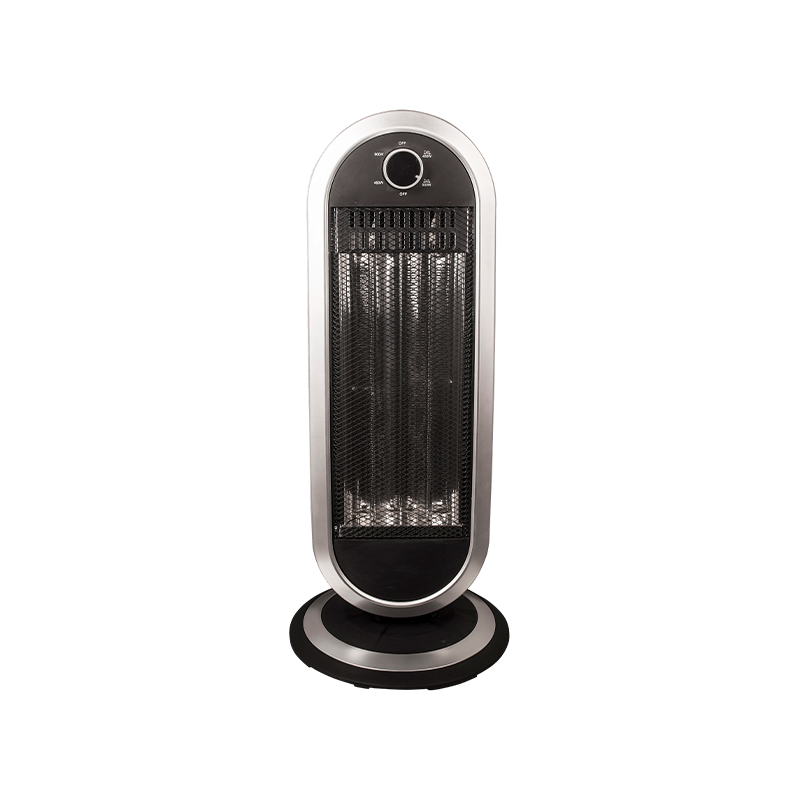
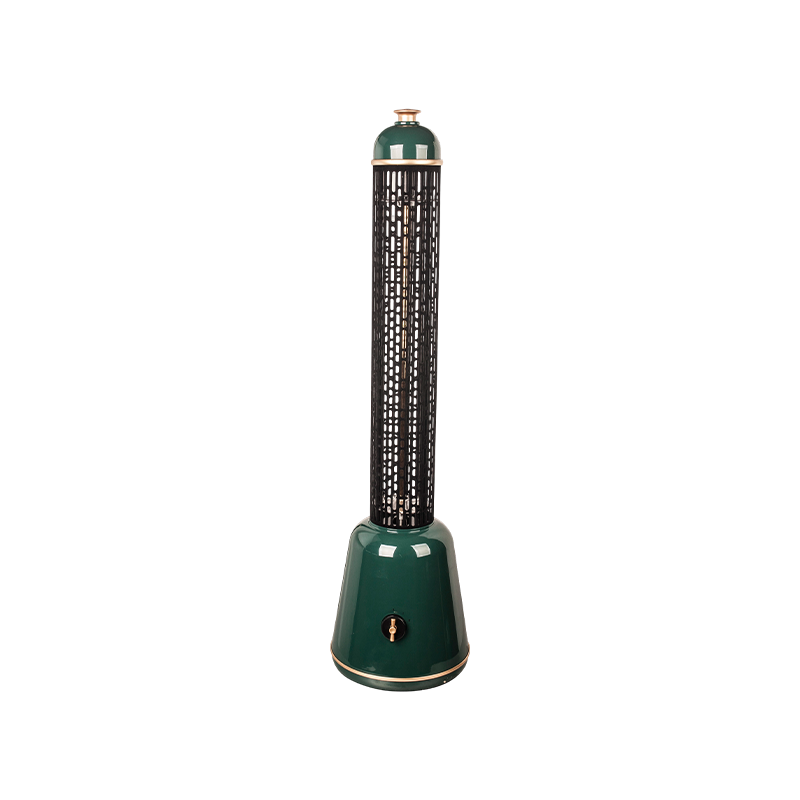
If you want a direct answer: heat pump space heaters are the most energy-efficient electric heaters in 2026, capable of delivering 2–4 units of heat for every 1 unit of electricity consumed. However, for those without access to heat pump technology, infrared and oil-filled radiators are the next best options for practical, everyday use. The right choice ultimately depends on your room size, usage pattern, and budget.
This article breaks down every major electric heater type, compares their real-world efficiency, and helps you pick the best one for your situation.
The Truth About Electric Heater Efficiency
Here is something most product listings won't tell you: all standard electric heaters are 100% efficient at converting electricity into heat. This is a basic law of thermodynamics — no energy is lost to exhaust or venting. A 1,500W ceramic heater produces exactly the same raw heat as a 1,500W oil-filled radiator.
So why does it still matter which type you buy? Because real-world efficiency is about more than raw conversion. It comes down to:
- Heat distribution — how well warmth spreads through the space
- Heat retention — whether the unit stays warm after cycling off
- Cycling frequency — how often it turns on and off to maintain temperature
- Smart controls — thermostats and timers that prevent unnecessary energy use
- Target heating — whether it heats the whole room or just the person
The exception to the 100% rule is the heat pump heater, which can exceed 100% efficiency by moving ambient heat rather than generating it — more on that below.
Head-to-Head: All Major Electric Heater Types Compared
The table below summarizes the key efficiency characteristics of each type at a glance.
| Heater Type |
Typical Wattage |
Heat Retention |
Best Use Case |
Efficiency Rating |
| Heat Pump |
500–1,500W |
High |
Whole room, long sessions |
⭐⭐⭐⭐⭐ |
| Infrared |
300–1,500W |
Low |
Spot/personal heating |
⭐⭐⭐⭐⭐ |
| Oil-Filled Radiator |
700–2,500W |
Very High |
Sustained room heating |
⭐⭐⭐⭐ |
| Ceramic (PTC) |
750–1,500W |
Medium |
Quick room warm-up |
⭐⭐⭐⭐ |
| Halogen |
400–1,200W |
Very Low |
Short bursts, close range |
⭐⭐⭐ |
| Fan / Convection |
1,000–3,000W |
Low |
Fast warm-up, large spaces |
⭐⭐ |
Efficiency ratings reflect practical cost-effectiveness, not just raw heat conversion.
Heat Pump Heaters: The Clear Winner for Long-Term Efficiency
Heat pump space heaters operate on a fundamentally different principle from all other electric heaters. Instead of generating heat from electricity, they extract heat from the outdoor air and transfer it indoors. This allows them to achieve a Coefficient of Performance (COP) of 2.0 to 4.0 — meaning for every 1 kWh of electricity used, you get 2–4 kWh of heat output.
In practical terms, if your electricity rate is $0.15/kWh, a heat pump heater running at COP 3.0 effectively delivers heat at just $0.05 per kWh — roughly one-third the cost of any conventional electric heater.
Limitations to know
- COP drops significantly in very cold climates (below -10°C / 14°F)
- Higher upfront cost compared to conventional heaters
- Requires installation in most whole-room configurations
For homeowners in mild to moderate climates who heat rooms for several hours daily, a heat pump is the most cost-effective long-term investment among all electric heating solutions.
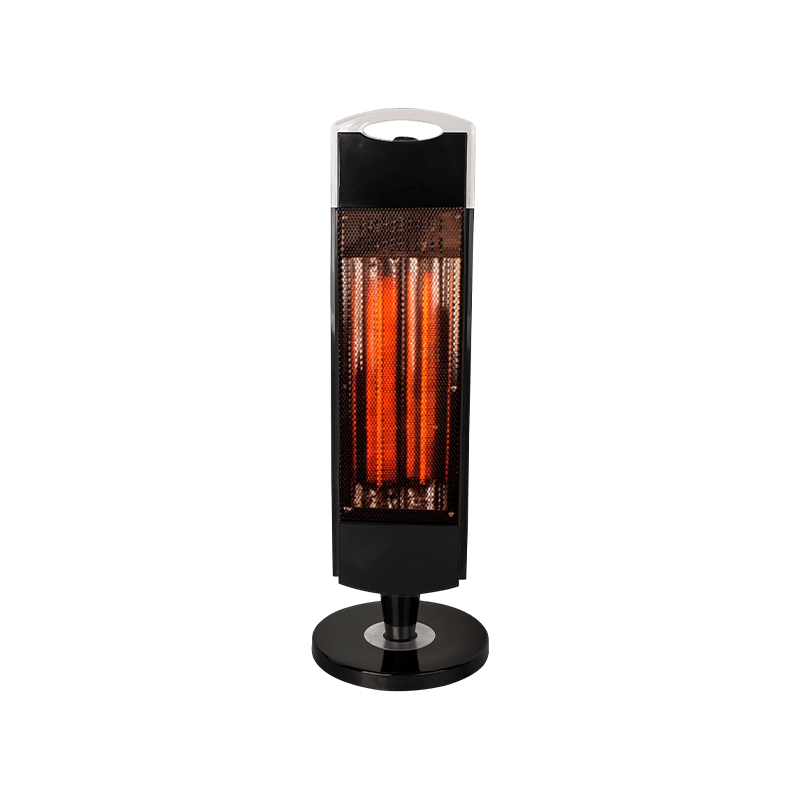
Infrared Heaters: Best for Targeted, On-Demand Warmth
Infrared heaters are the most efficient option when you only need to warm a person or a specific zone rather than an entire room. They emit infrared radiation that heats objects and people directly — much like sunlight — without wasting energy warming the surrounding air.
This "zonal heating" approach is particularly effective in:
- Home offices where one person sits in a fixed spot
- Garages and workshops with high ceilings and poor insulation
- Outdoor patios or covered porches
- Rooms used for only a short period each day
A 700W infrared panel directed at your desk will keep you warm while using less than half the electricity of a 1,500W fan heater running to warm the whole room. Infrared heaters also tend to be quieter than ceramic models and do not dry out the air — a bonus for people with sensitive skin or respiratory issues.
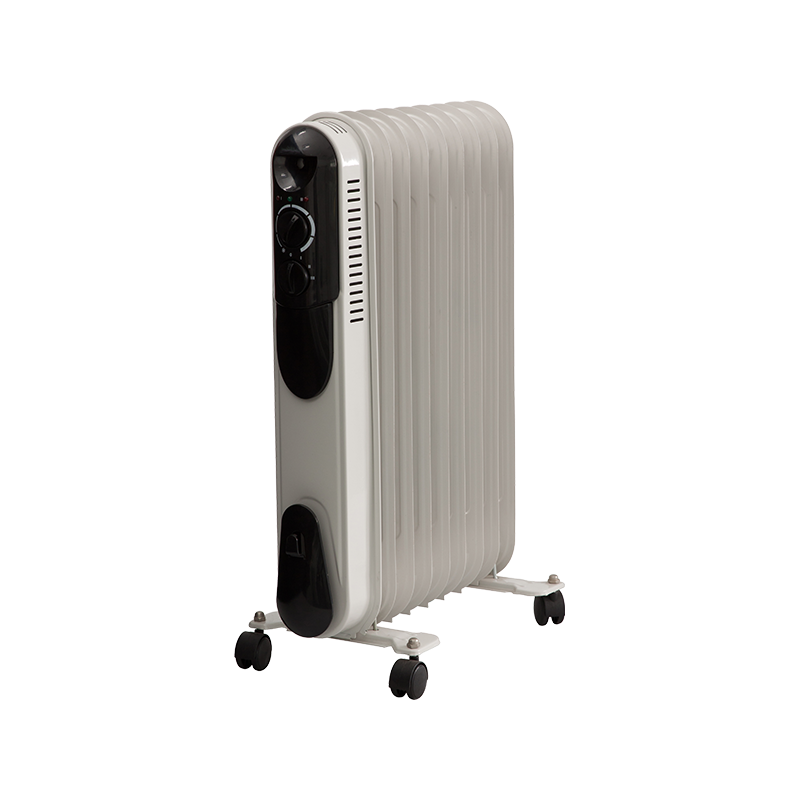
Oil-Filled Radiators: Best for Sustained, Overnight Heating
Oil-filled radiators are the most efficient choice for heating a room continuously over several hours. The electric element heats a sealed reservoir of thermal oil, which then radiates warmth slowly and steadily long after the heating element has cycled off.
Key efficiency advantage: oil-filled radiators run 18% fewer on/off cycles compared to fan-forced heaters in sustained heating scenarios, which directly reduces electricity consumption. Once the oil is up to temperature, the heater maintains warmth with minimal power draw.
Why they work well overnight
- Completely silent — no fan noise
- No exposed heating elements, reducing fire risk
- Continues to radiate heat even after turning off
- Stable, consistent warmth without temperature spikes
The main drawback is slow warm-up time — typically 15–30 minutes before the room reaches a comfortable temperature. They are also heavier and less portable than ceramic or fan heaters.
Ceramic (PTC) Heaters: Best All-Around for Most Homes
Ceramic heaters using PTC (Positive Temperature Coefficient) elements are the most practical and versatile choice for the average household. They heat up in seconds, self-regulate temperature to avoid overheating, and pair well with smart thermostats and timers.
Modern PTC ceramic models — such as those from Dreo and Aikoper — combine a 1,500W heating core with a thermostat that automatically cuts power once the target temperature is reached. According to EPA data, programmable thermostats and timers reduce average operating costs by 8%, with optimized models achieving up to 23% savings compared to manually controlled heaters.
Ceramic heaters are the best option when you need:
- Fast heat in a living room or bedroom within minutes
- A portable unit you move between rooms
- A budget-friendly purchase with decent running costs
- Safety features like tip-over shutoff and cool-touch housing
How Much Does Each Type Actually Cost to Run?
Using a standard US electricity rate of $0.15 per kWh and running the heater for 4 hours each evening, here is how monthly costs compare:
| Heater Type |
Wattage |
Cost per Hour |
Monthly Cost (4h/day) |
| Heat Pump (COP 3.0) |
1,000W |
~$0.05* |
~$6 |
| Infrared (700W) |
700W |
$0.11 |
~$13 |
| Oil-Filled Radiator |
1,000W |
$0.15 |
~$18 |
| Ceramic (PTC) with thermostat |
1,500W |
$0.23 |
~$21** |
| Fan / Convection Heater |
1,500W |
$0.23 |
~$28 |
*Heat pump cost reflects effective heat cost at COP 3.0. **Ceramic estimate includes ~23% savings from thermostat cycling.
5 Smart Features That Boost Efficiency Regardless of Heater Type
No matter which heater type you choose, these features make a measurable difference in real-world running costs:
- Programmable thermostat — Cuts power automatically when the target temperature is reached, saving up to 23% on operating costs
- Built-in timer — Schedule heating to run only when you are home or in the room
- Eco or low-power mode — Reduces wattage output (e.g., 750W instead of 1,500W) for mild days
- Tip-over and overheat shutoff — Essential safety features that also prevent energy waste from unattended heating
- App or remote control — Allows you to adjust or turn off the heater without leaving your seat, reducing the temptation to leave it running
Which Heater Should You Buy in 2026?
Use this quick guide to match your situation to the right heater type:
- Lowest long-term cost, mild climate: Heat pump space heater
- Working alone at a desk or in a garage: Infrared panel (300–700W)
- Bedroom heating overnight: Oil-filled radiator with thermostat
- Living room, quick warm-up needed: Ceramic PTC heater with timer
- Tight budget, short bursts of heat: Halogen heater (use sparingly)
Also remember the 10 watts per square foot rule: a well-insulated 150 sq ft bedroom needs roughly 1,500W of heating capacity. An undersized heater runs constantly and wastes electricity; an oversized one cycles inefficiently and still wastes electricity.
The most energy-efficient heater is ultimately the one correctly matched to your room size, usage schedule, and heating style — paired with a thermostat so it never runs longer than necessary.



 English
 中文简体
中文简体