


 English
 中文简体
中文简体
Introduction to Portable Industrial Air Coolers As temperatures rise, keeping large spaces cool and ...
READ MORE
5200 BTU Heater Room Size: How Many Square Feet Can It Effectively Heat?
Content
Imagine you are comparing two electric heaters online. One says "5200 BTU" on the specification sheet. The other says "1500W". You want to know if either one will actually keep your bedroom warm. The answer is not just about the number. A 5200 BTU heater can effectively heat a room of roughly 120 to 150 square feet, but that range can shift depending on your climate, insulation, windows, and ceiling height.
That is the short version. In this guide, we will break down what 5200 BTU means, how to calculate the room size you can expect, and which heater type fits common spaces.
What Does 5200 BTU Mean?
BTU stands for British Thermal Unit. It measures the amount of heat needed to raise the temperature of one pound of water by one degree Fahrenheit. For a heater, the BTU rating tells you how much heat energy the unit produces per hour. 5200 BTU is roughly equivalent to 1520 watts of electrical input.
That is important because many portable heaters are sold with wattage labels instead of BTU ratings. A 1500W electric heater is the standard maximum for most household circuits, which is why 5200 BTU is a common ceiling for plug-in space heaters.
The Simple Rule for Room Size
As a starting point, most heating guides use 25 to 35 BTU per square foot in average conditions. For a 5200 BTU heater, that translates to about 150 square feet using the lower end and about 104 square feet using the higher end. A practical working range is 120 to 150 square feet for typical homes.
Here is a quick reference for how insulation changes that range.
| Insulation condition | Room size you can heat |
|---|---|
| Poor insulation / drafty | 80 to 100 sq ft |
| Average insulation | 120 to 150 sq ft |
| Excellent insulation / well sealed | 160 to 180 sq ft |
Use this as a planning tool, not a guarantee. A poorly insulated room can eat up your heat output quickly, while a well insulated room can let the same heater cover more space.
Factors That Change the Answer
Room size is only part of the equation. The same 5200 BTU heater may feel inadequate in one house and perfect in another. Here are the specific variables to check before you buy.
Ceiling Height
Heaters warm the air in the room volume, not just the floor area. A room with 8-foot ceilings is easier to heat than one with 12-foot cathedral ceilings. Multiply your floor area by ceiling height and compare the cubic footage. A 10 x 12 room with 8-foot ceilings has 960 cubic feet; the same floor area with 12-foot ceilings has 1440 cubic feet.
Climate Zone
In milder climates, 20 to 30 BTU per square foot is often enough. In cold northern regions, you may need 40 to 50 BTU per square foot to keep up with heat loss. If you live in a zone where winter lows drop below freezing, treat the 5200 BTU rating as a supplemental source rather than the primary heating system.
Windows and Doors
Single-pane windows, large sliding doors, and badly sealed frames are major leak points. Every leak pulls out warm air and forces the heater to run longer. If you have drafty windows, subtract about 10 to 15 percent from your expected room size.
Insulation and Construction
A room with well insulated walls retains heat for a long time after the thermostat cycles off. A room with uninsulated exterior walls loses heat quickly. Older homes with no wall insulation may need a heater rated 20 percent higher than the square footage rule suggests.
Matching a 5200 BTU Heater to Your Space
Once you have estimated your required BTU output, the next decision is the heater type. For a 5200 BTU unit, you are looking at electric fan heaters, ceramic PTC heaters, and oil-filled or mica panel radiators. Each behaves differently when it comes to airflow, noise, and keeping the temperature steady after the room is warm.
If you need quick spot heating in an office or small study, a portable fan heater is a practical choice. It pushes warm air directly at you and warms the immediate area in minutes. Our guide to how electric fan heaters work shows the difference between recirculating airflow and radiant heat.
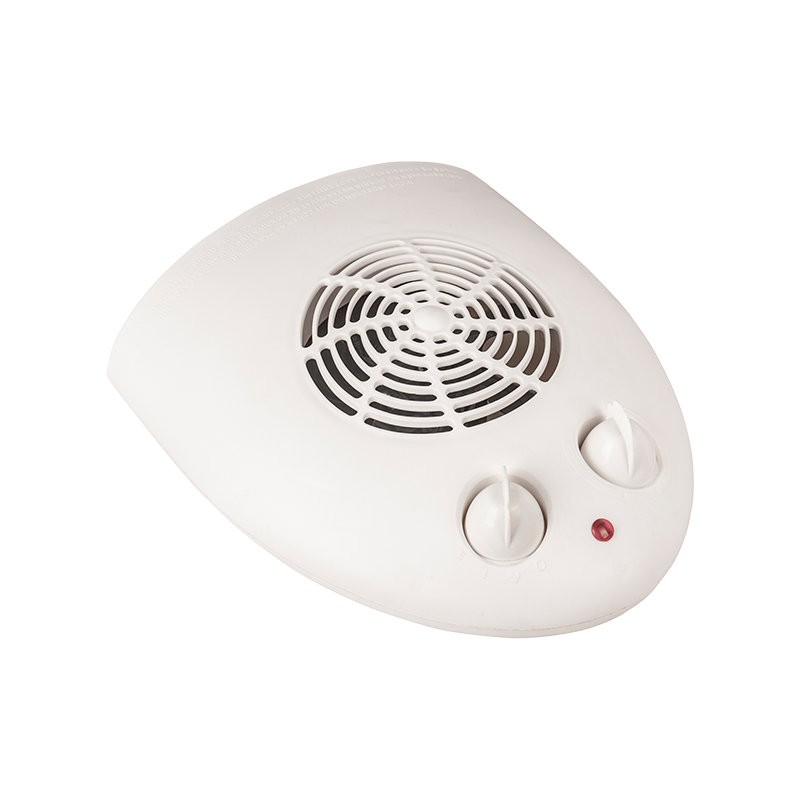 HFH-203 best fan heater for office deskA versatile fan heater for daily use, it features 1000W and 2000W heating settings to match your comfort needs. It easily transitions to cool air mode when the weather...View Product →
For a 5200 BTU fan heater, expect it to handle a compact office or den of up to 130 square feet. The challenge is not output but noise. A fan heater with a loud blower can be distracting during calls or reading.
Quiet, Steady Heat for Bedrooms
Bedrooms have different requirements. You want the room to be warm continuously, but you do not want the heater cycling loudly while you sleep. Oil-filled radiators and mica heaters provide a gentle radiant heat that does not rely on a noisy fan. They warm the room slowly and then hold that warmth for a long time.
For a 5200 BTU oil-filled or mica heater, the effective room size is about 140 square feet when insulation is average. The heat is steady and the surface temperature stays lower than a fan heater, which makes it a common choice for a 12 x 12 bedroom.
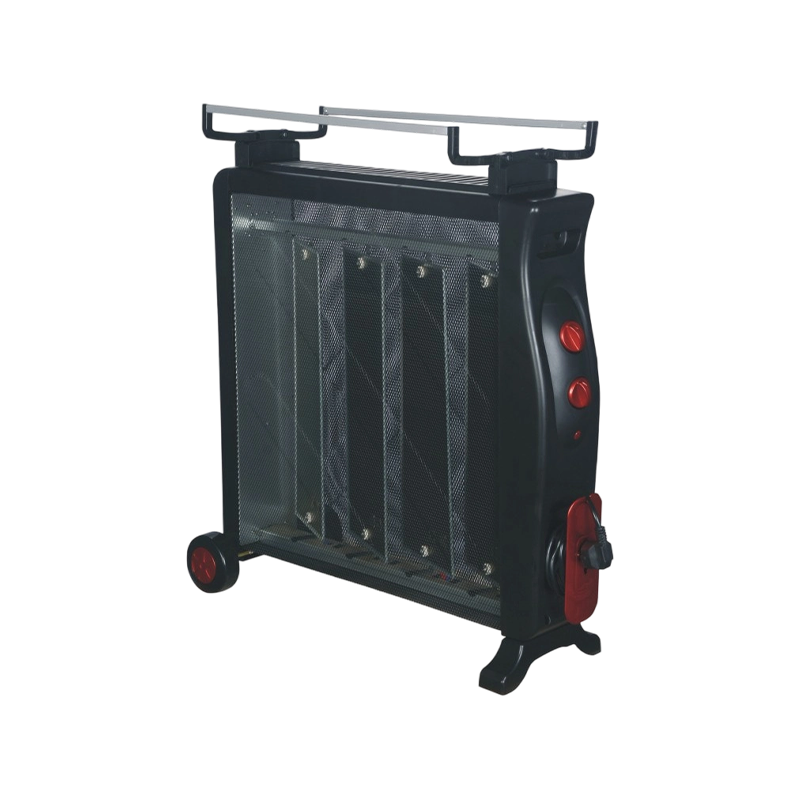 MH-200 quiet mica heater for bedroom sleepingFeaturing three heating powers with options like 1000W and 2000W, this oil filled heater delivers adaptable warmth for varying temperature requirements. It combines au...View Product →
Because the heat output is constant rather than directional, you may need to leave the heater on for 30 to 45 minutes before the room reaches full comfort. That trade-off is worth it for many people who prioritize quiet operation.
When You Need More Output for Larger Rooms
If your measured room size is closer to 180 or 200 square feet, a 5200 BTU heater will struggle unless the insulation is excellent. In that case, you have two options: buy a heater with a higher BTU rating, or use a 5200 BTU unit as a supplement to a central heat source. Oil-filled radiators are often used this way in living areas that need a local warmth boost.
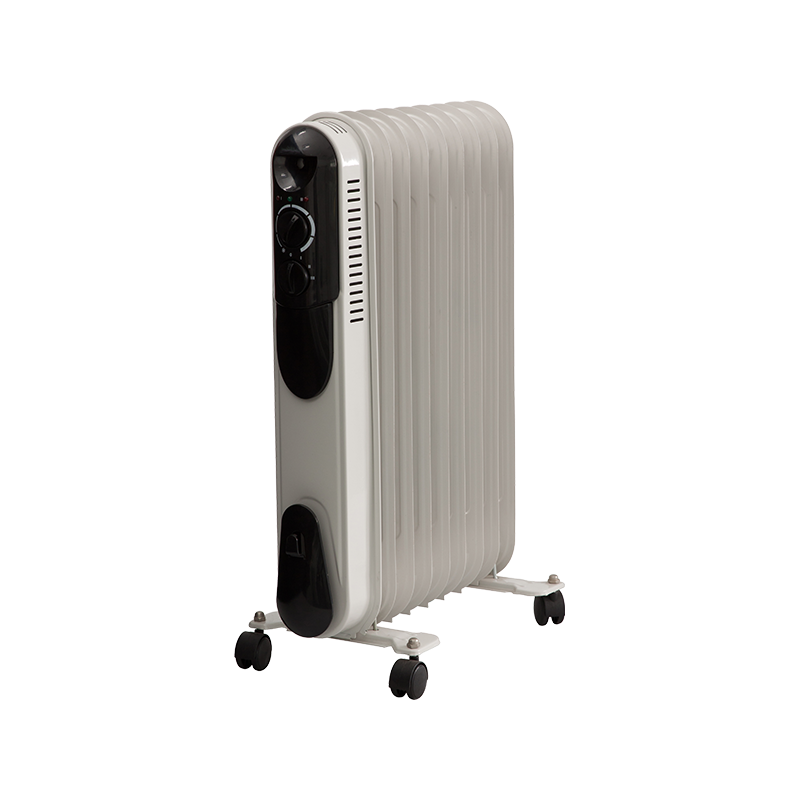
For larger rooms with average insulation, an oil-filled heater is a suitable match because it releases heat across the entire surface of the radiator, rather than through one small vent. The coverage is broader and the temperature is more uniform from floor to ceiling.
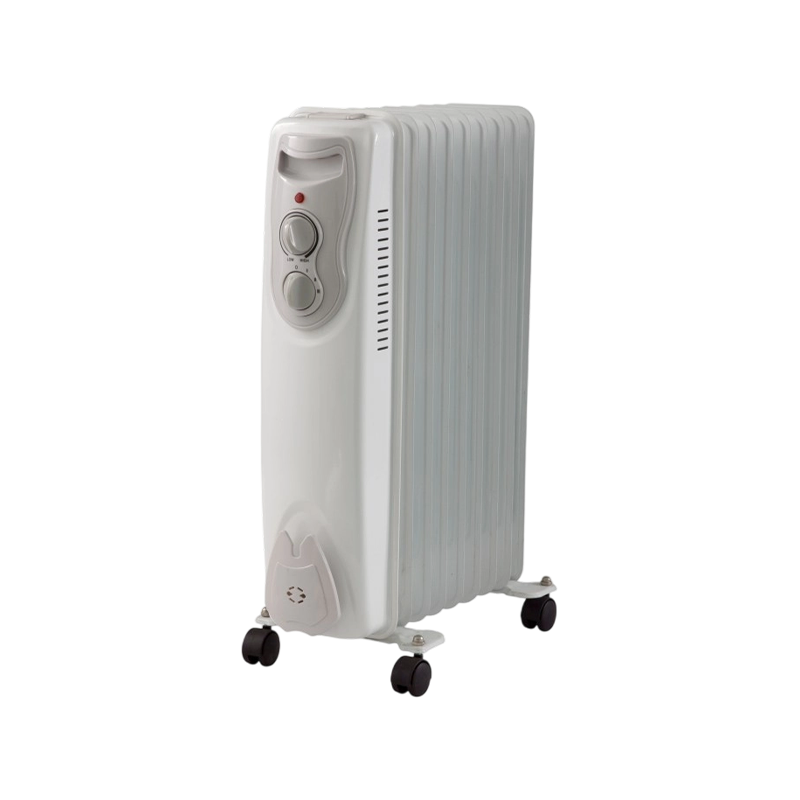 NY-C oil filled radiator for large room heatingWith a large heating surface and efficient radiation, this oil filled radiator warms up spaces quickly and evenly. It radiates heat steadily, eliminating cold spots an...View Product →
Even with a 5200 BTU rating, do not expect to heat a large open-plan space completely in cold weather. The heater will raise the temperature around it, but the far corners will stay cool.
Final Buying Checklist
Before you commit to a purchase, run through the following points.
- Measure the floor area and ceiling height. Use the total cubic feet, not just square feet.
- Check your climate zone. For a 5200 BTU heater, plan for 120 to 150 square feet in moderate climates and closer to 100 square feet in cold regions.
- Look at windows and doors. Drafty rooms need a higher BTU rating or a supplemental source.
- Consider noise. A fan heater warms quickly but can be loud; an oil-filled heater is quiet but takes longer to warm the room.
- Confirm the heater has safety features like tip-over protection and overheat shutoff, especially if you use it in a bedroom or while sleeping.
- If you use it daily, check the energy input. 5200 BTU equals about 1520 watts, which is close to the maximum a standard 15-amp household circuit can handle.
PREV:No previous article
NEXT:1500W Heater Room Size: How Many Square Feet Can a 1500W Heater Heat Effectively?
NEXT:1500W Heater Room Size: How Many Square Feet Can a 1500W Heater Heat Effectively?
Interested in cooperation or have questions?
News
-
-
An electric fan heater is a popular device used to provide quick and efficient warmth in smaller spa...
READ MORE -
1. Exploring Fan Heaters: Efficient Heating Solutions The Basic Definition and Working Principle of ...
READ MORE -
Introduction to Tea Bar Machines What is a Tea Bar Machine? A tea bar machine represents a profound ...
READ MORE
- Add:
No. 1408, Guanfu Road, Fuhai Town, Cixi City, Ningbo City, Zhejiang Province, China. - Email:
sales@fsdomy.com - Tel:
0086-574-63567602 - Phone:
+86 13805816547
-
Get In Touch
-
Quick Links
Home Products About Us FAQ News Contact -
product Center
Electric Heater Water Dispenser Air Fan & Cooling Spare Part -
NEWS & INSIGHTS
Company News Instury News -
Follow
