


 English
 中文简体
中文简体
Introduction to Portable Industrial Air Coolers As temperatures rise, keeping large spaces cool and ...
READ MORE
Best Electric Heater for Basement: Oil-Filled, Ceramic, or Fan Options
Content
A finished basement may stay comfortable in summer, but winter often turns it into the coldest room in the house. Concrete walls absorb moisture, floor drains pull in cold air, and a single forced-air vent rarely reaches the corners. If you are shopping for the best electric heater for a basement, you are not just looking for warmth — you need a unit that can run for hours safely, quietly enough not to disturb the room above, and efficiently enough to keep your electricity bill reasonable. The short answer is that an oil-filled radiator is usually the best starting point for a large basement, while a ceramic fan heater works well for a smaller, occupied space. But the right choice depends on your square footage, ceiling height, humidity, and how you plan to use the space.
Why Basement Heating Is Different
Basements are not regular rooms. Heat rises from the living areas above, and the concrete slab underneath constantly pulls warmth away. Uninsulated or partially insulated walls and rim joists add more heat loss, especially in older homes. Because a basement sits below grade, it also tends to be more humid — and humidity makes cold feel colder. This means an electric heater has to work harder for the same comfort level.
When you evaluate heaters for a basement, look beyond the label "1500 watts". These are the conditions that matter in real basement use:
- Heat output in watts or BTUs to cover the square footage and compensate for slab and wall loss.
- A thermostat that cycles the heater rather than blasting constantly; this saves energy and avoids overheating the room while you are away.
- Overheating protection and a tip-over switch, because basements often have cluttered floors, stored boxes, and workbenches.
- Low surface temperature on the body, especially if children or pets have access.
- Quiet operation if the basement is used as a home office, media room, or bedroom.
- Moisture resistance — at least some level of splash-proofing (IP21 or higher) if the heater will sit near a laundry area or utility sink.
Electric Heater Types Compared
The market gives you five main electric heater technologies. Understanding their physical behavior is more useful than relying on a brand name.
| Type | Warm-Up Time | Noise | Efficiency | Best Use |
|---|---|---|---|---|
| Fan heater | Fast | Moderate | Good for short bursts | Workshops, quick warm-ups |
| Ceramic heater | Medium | Low | Good | Small to medium rooms |
| Oil-filled radiator | Slow | Very low | Excellent | Large basements, long running |
| Infrared/Halogen | Very fast | Silent | Fair, heats people not air | Spot heating, small occupied areas |
| Quartz heater | Fast | Silent | Fair | Spot heating, small rooms |
Fan Heaters
Fan heaters draw air over a heating element and push it out with a blower. They are the quickest to raise the air temperature in a small to medium space. In a basement workshop where you only need heat for a couple of hours, a fan heater is simple, inexpensive, and easy to carry. The trade-off is noise: the blower is noticeable, and the heater cools down as soon as it switches off. Look for a model with a thermostat so it does not run at full speed non-stop. Our FH303/FH305 series, for example, was designed with European safety certification and a thermostat, making it a solid choice for smaller basements.
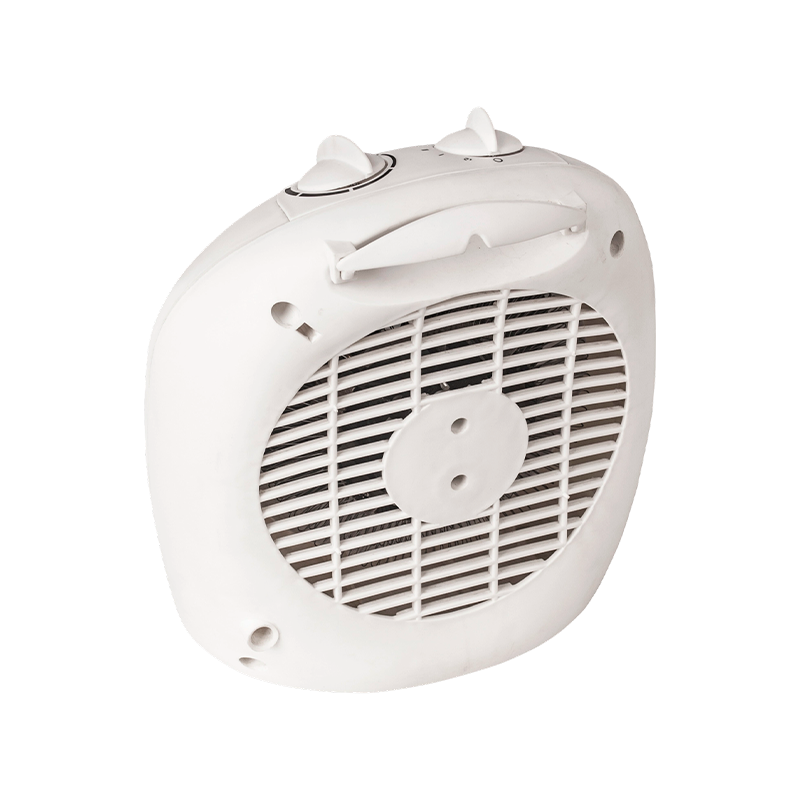 FH-303/FH-305 Fan Heater with Thermostat and Safety CertificationThis fan heater offers adjustable thermostat control and overheat protection in a portable white design. It suits small basement workshops needing quick, temporary warmth with European safety compliance.View Product →
Ceramic Heaters
Ceramic heaters use PTC (positive temperature coefficient) elements that self-regulate their heat output as they warm up. This makes them inherently safer than simple metal-coil fans, and the housing usually stays cooler to the touch. They heat up reasonably quickly and are quieter than a bare fan heater. For a small finished basement or a bedroom-like space, a ceramic heater provides balanced warmth without a strong draft. The PTC05 portable ceramic heater is a typical example of this category — compact, with a standard 1,500W output and a tip-over switch.
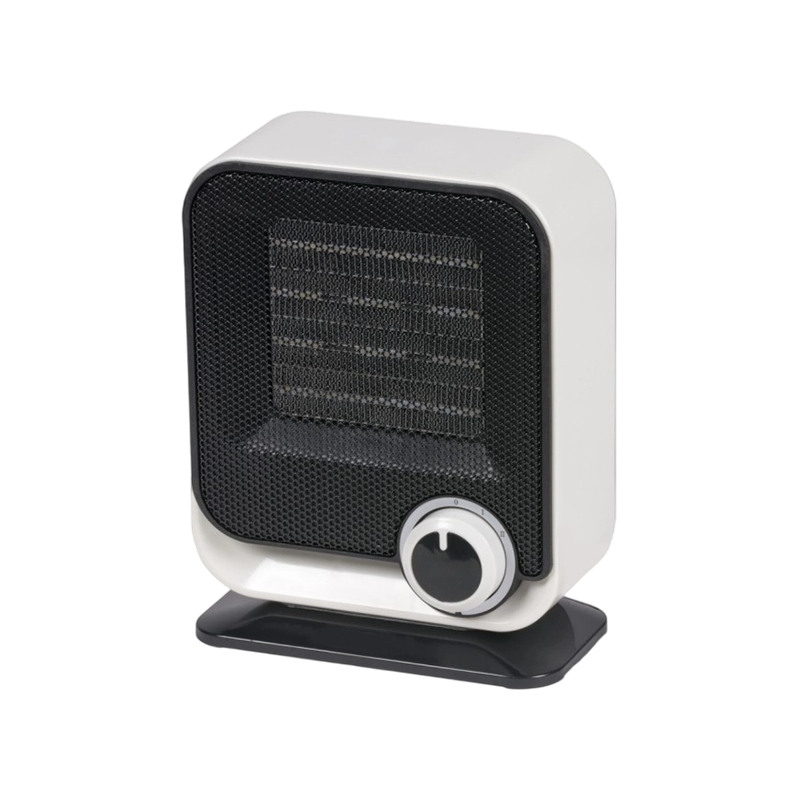 PTC-05 Portable Ceramic Heater with Oscillation and Tip-Over SwitchA compact ceramic heater with 750W/1500W settings, cool-air mode, and oscillation for even distribution. Its PTC element and tip-over safety make it a practical choice for finished bedrooms or small spaces.View Product →
Oil-Filled Radiators
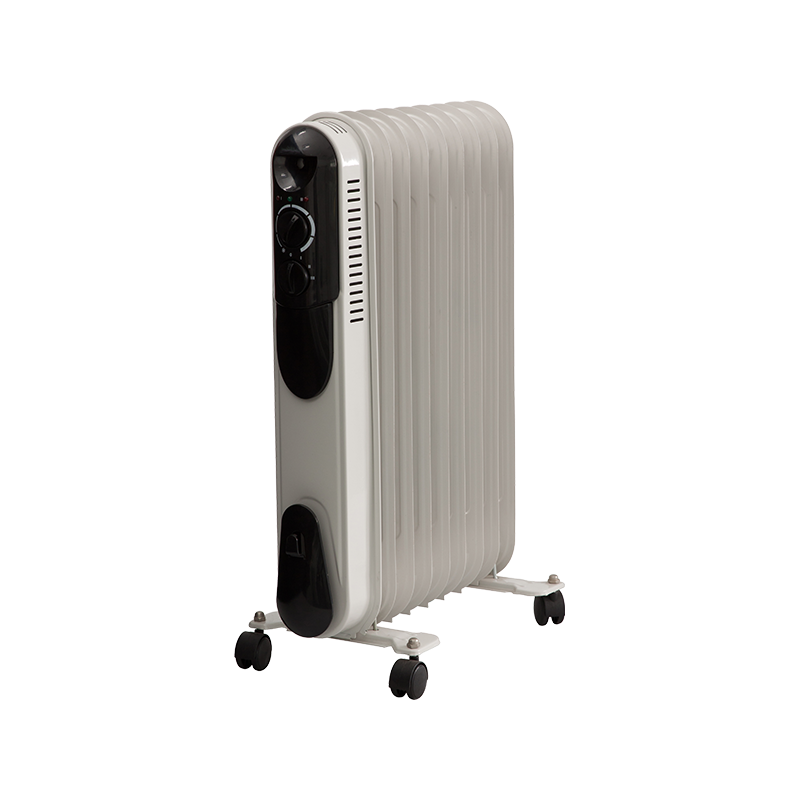
If you want even, lasting heat for a large or frequently used basement, oil-filled radiators are the best all-around option. They warm a special thermal oil inside sealed fins; the oil never needs replacing and the heater works purely by convection and a gentle radiant heat. Warm-up is slow, but the payoff is a room that stays comfortable long after the element cycles off. Modern oil-filled models are nearly silent, which is why they dominate recommendations for bedrooms and home offices above ground as well. For basements, choose a model with a high heat output and an adjustable thermostat. A recent industry article on intelligent temperature control in oil-filled radiators explains why this type suits long-running, occupied spaces so well. Our NYC series is sized for larger rooms and is a realistic match for most basement family rooms.
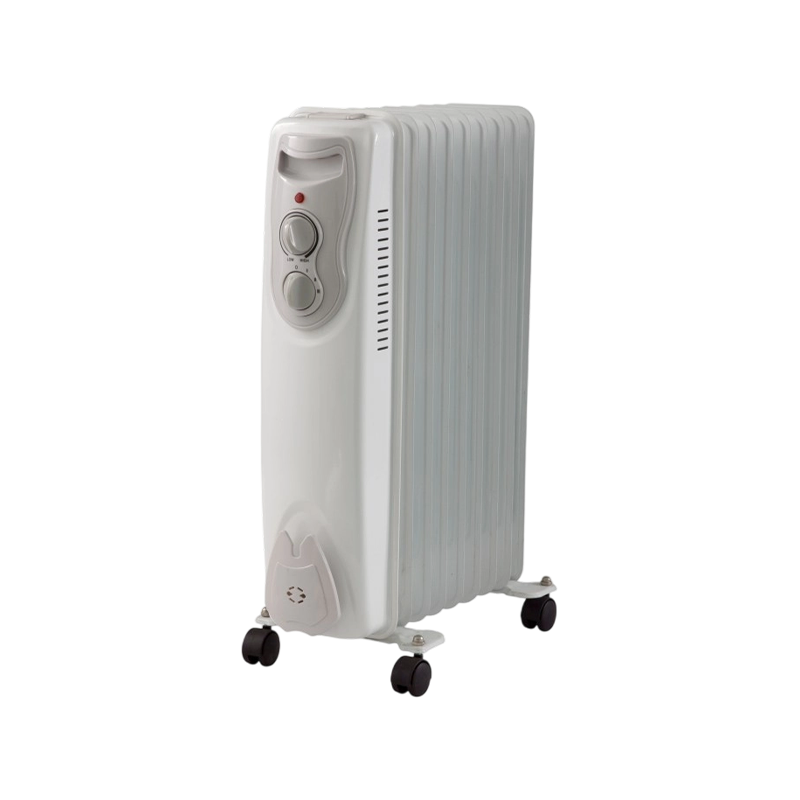 NY-C Oil Filled Radiator for Large Room HeatingThis oil-filled radiator uses a large heating surface to deliver steady, even warmth without cold spots. Its energy-efficient convection heat suits frequently used basements or large family rooms requiring lasting comfort.View Product →
Infrared, Halogen, and Quartz Heaters
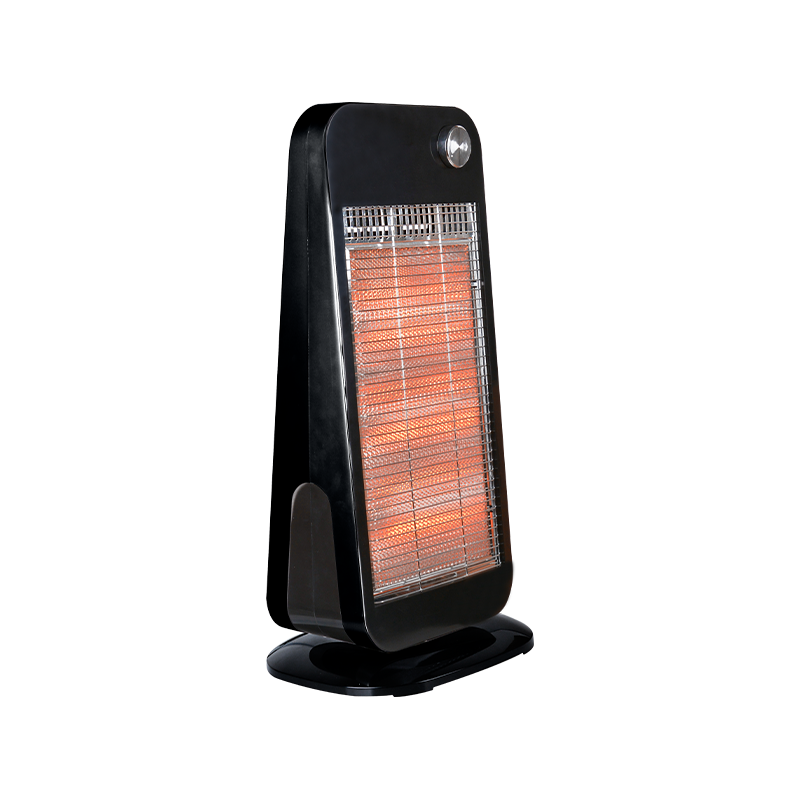
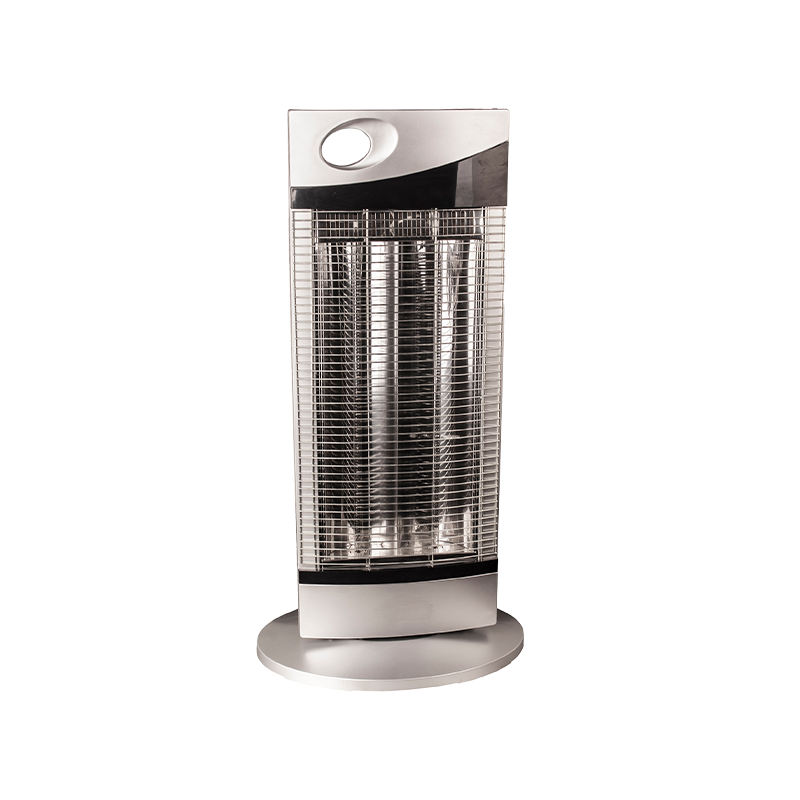
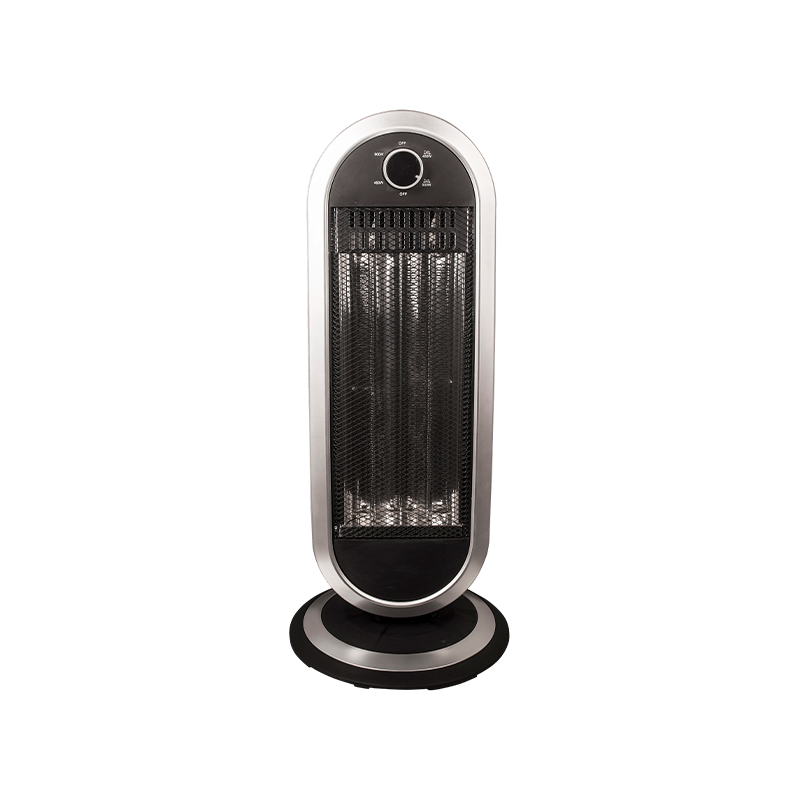
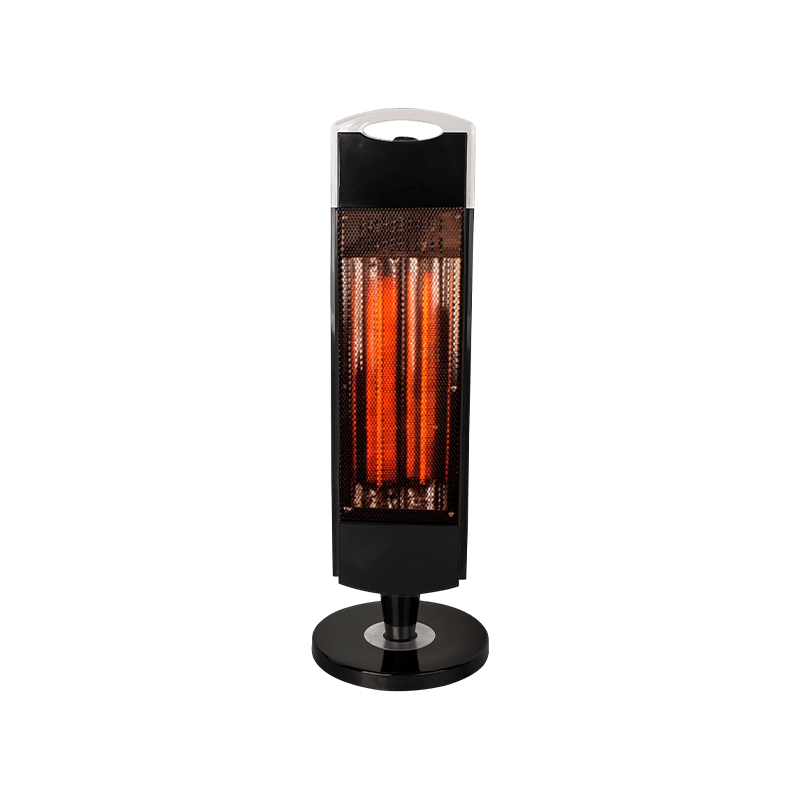
These heaters produce directional radiant heat — they warm people and objects directly instead of the air around them. They feel hot immediately and use no fan, so they are silent. But in a basement they have a major limitation: if the heat is not aimed at you, you will still feel cold air in the background. They are better for a workout corner or for a garage workshop where you stand in one spot. Some models carry IP23 or higher water resistance, so they can be used near moisture, but they should not be the only heater for whole-basement heating.
How Much Power Do You Need?
Portable electric heaters in North America and many other regions are limited to 1,500 watts on a standard 120V household circuit. That equals about 5,100 BTUs per hour — enough for a moderately insulated room of roughly 300 to 400 square feet under normal conditions. A basement, however, loses more heat through the concrete floor and uninsulated walls. As a rule of thumb, use 15 watts per square foot instead of the usual 10 watts for a typical above-ground room.
Example:
- A 400 sq ft basement: 400 × 15 = 6,000 watts needed. With 1,500W units, you would need four heaters running simultaneously, and likely a dedicated circuit for each pair. In practice, most people run one or two heaters and leave rooms slightly cooler.
- A 200 sq ft basement office: 200 × 15 = 3,000 watts. Two 1,500W units, or one 1,500W unit plus a smaller model, can handle it.
Remember that ceiling height matters. The formula assumes an 8-foot ceiling; every extra foot of ceiling height increases the required wattage by roughly 10%. Also, a dehumidifier increases the electrical load on the same circuit, so if you run one in the basement, calculate the heater load separately.
Safety and Placement Tips
Even the best electric heater can become a fire risk if you place it carelessly. In a basement, clutter, cardboard boxes, and laundry are common hazards.
- Put the heater on a flat, uncluttered floor. Never place it directly on carpet; use a piece of plywood or a tile board underneath.
- Maintain a 3-foot clearance on all sides, including the back. Don't shove it under a workbench or in front of stored shelving.
- Keep the heater away from sinks, sump pumps, and any standing water. If the basement is damp, select a model with a sealed or splash-proof housing.
- Plug directly into a wall outlet. Extension cords cause voltage drop and can overheat; if you must use one, use a heavy-duty 14 AWG or 12 AWG cord rated for 1,500 watts and keep it fully uncoiled.
- Set the thermostat a few degrees higher than the ambient temperature rather than running the heater on its maximum setting continuously.
- Install a carbon monoxide detector if the basement also has a gas water heater or furnace — electric heaters themselves do not produce CO, but the other appliances may.
- When the basement is unoccupied for long spells, switch off the heater or use a programmable timer.
Our Recommendation
Putting it together, there is no single best electric heater for every basement. Use this quick decision guide:
- For a basement family room, gym, or laundry area that is occupied for hours: choose an oil-filled radiator. It maintains an even temperature with almost no noise.
- For a workshop or garage-type basement where you only heat it while you work: a fan heater is the most efficient for fast bursts.
- For a small basement bedroom or home office: a ceramic heater provides quiet, safe heat without overheating the room.
- For very large basements, plan on using two heaters in different zones rather than one oversized unit.
We manufacture electric heaters of all these types, and the models we highlighted are the ones we repeatedly see coming back for reorders from distributors focused on cold, damp basements. Whichever type you choose, match the wattage to the space, place it away from water and flammables, and run it on a thermostat. That combination gives you the reliable comfort you are looking for with less wasted electricity.
PREV:No previous article
NEXT:5200 BTU Heater Room Size: How Many Square Feet Can It Effectively Heat?
NEXT:5200 BTU Heater Room Size: How Many Square Feet Can It Effectively Heat?
Interested in cooperation or have questions?
News
-
-
An electric fan heater is a popular device used to provide quick and efficient warmth in smaller spa...
READ MORE -
1. Exploring Fan Heaters: Efficient Heating Solutions The Basic Definition and Working Principle of ...
READ MORE -
Introduction to Tea Bar Machines What is a Tea Bar Machine? A tea bar machine represents a profound ...
READ MORE
- Add:
No. 1408, Guanfu Road, Fuhai Town, Cixi City, Ningbo City, Zhejiang Province, China. - Email:
sales@fsdomy.com - Tel:
0086-574-63567602 - Phone:
+86 13805816547
-
Get In Touch
-
Quick Links
Home Products About Us FAQ News Contact -
product Center
Electric Heater Water Dispenser Air Fan & Cooling Spare Part -
NEWS & INSIGHTS
Company News Instury News -
Follow
