How an Electric Quartz Heater Operates in Large Spaces
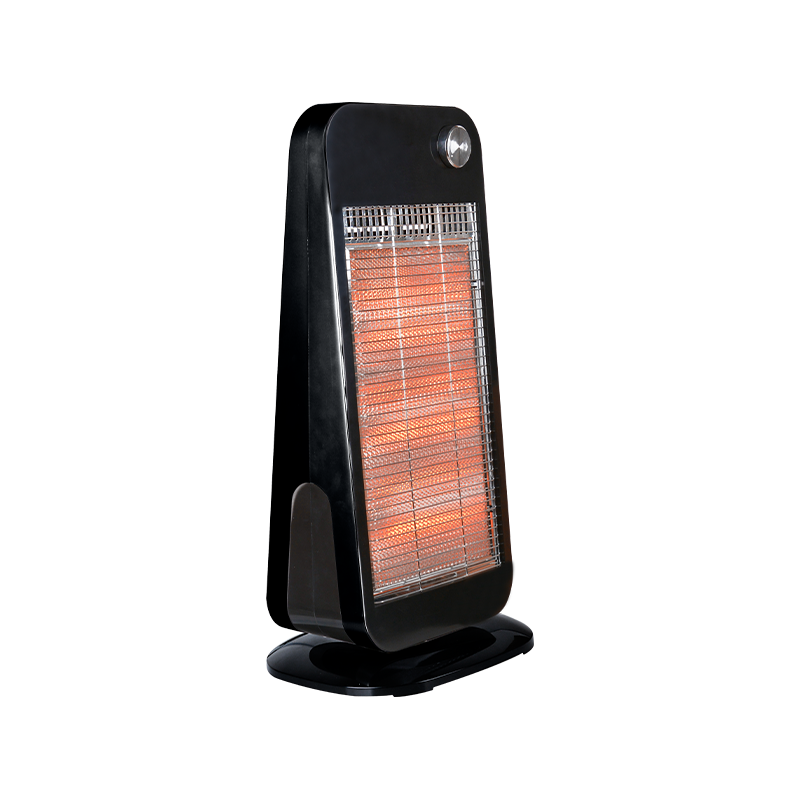
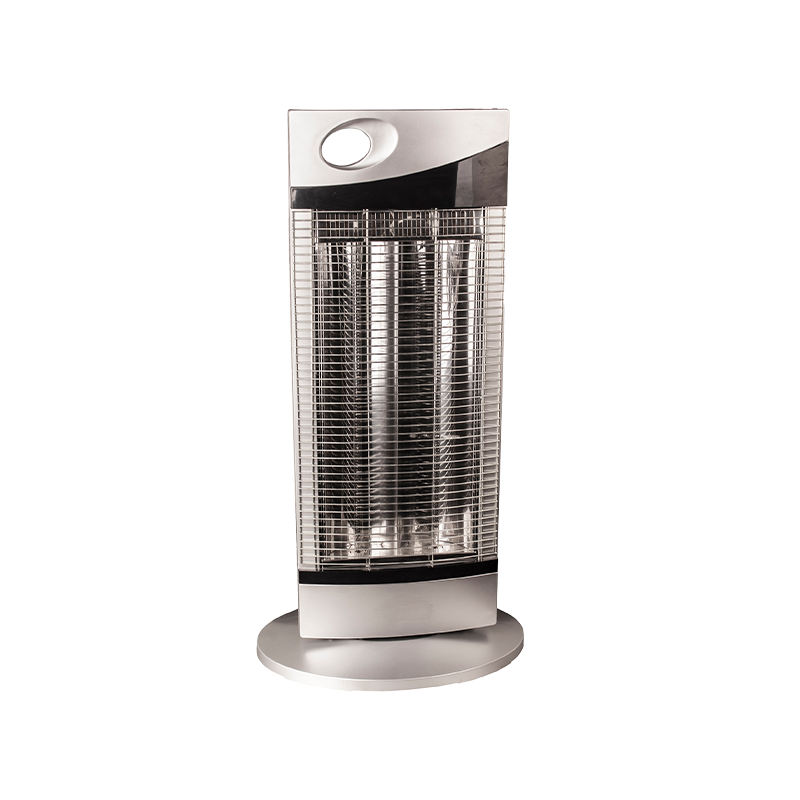
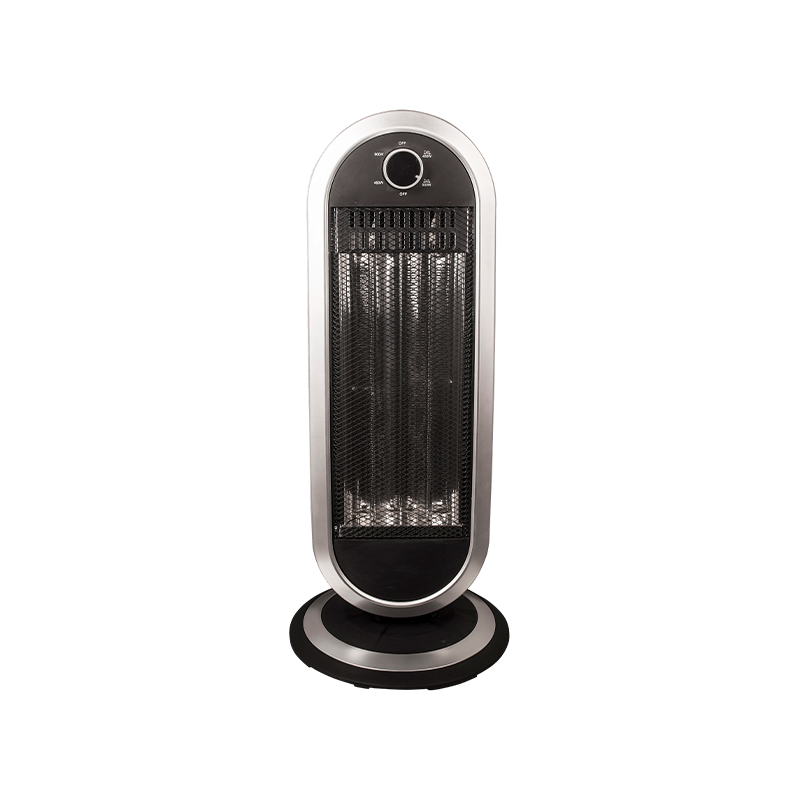
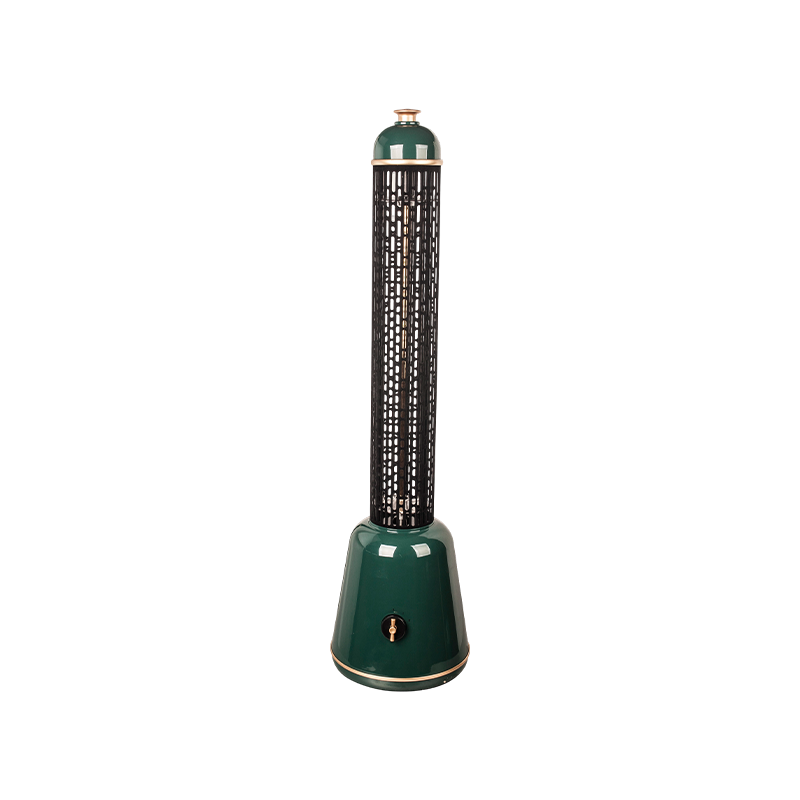
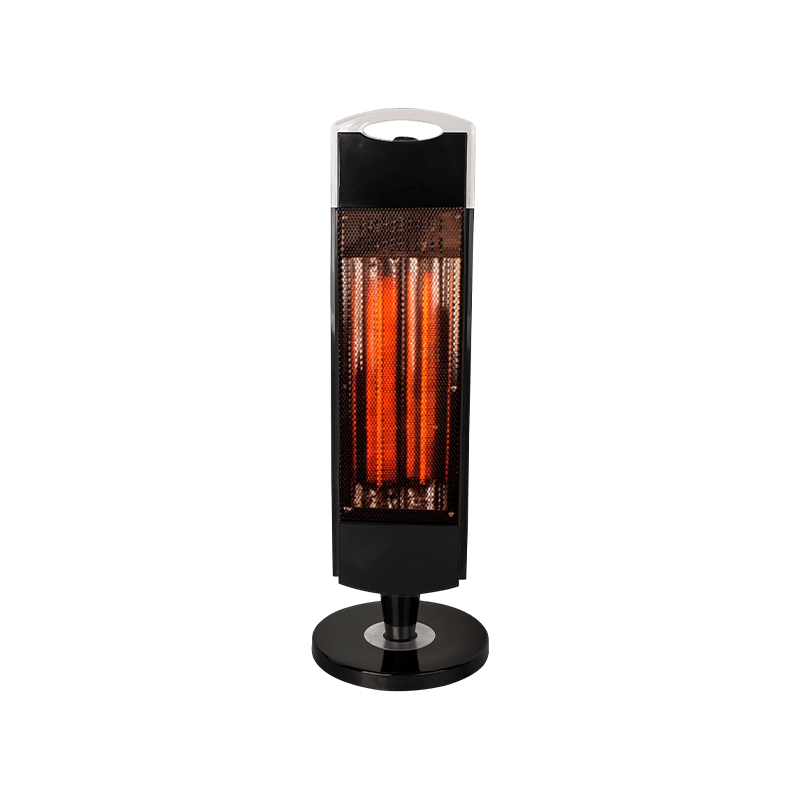
When evaluating heating solutions for expansive areas, the Electric Quartz Heater stands out due to its unique method of thermal transfer. Unlike conventional space heaters that rely on air circulation, a quartz heater utilizes short-wave infrared technology. Inside the unit, a heating element—typically a tungsten wire—is encased in a heat-resistant quartz glass tube. When electricity flows through this wire, it reaches temperatures high enough to emit infrared radiation. This radiation travels at the speed of light, providing nearly instantaneous warmth to anyone in its path. In a large living room, this speed is a game-changer, as users do not have to wait for the entire volume of air to circulate through a heating element.
Radiant Heat vs. Convection Heat in Open Layouts
The primary advantage of the Electric Quartz Heater in a large room is its refusal to fight the laws of thermodynamics regarding air. Convection heaters work by warming the air, which then becomes less dense and rises. In a large living room with vaulted or high ceilings, this results in “stratification,” where the warmest air is trapped at the ceiling while the occupants at floor level remain cold. Quartz heaters bypass this issue entirely. Because infrared waves do not heat the air, they are not affected by drafts or high ceilings. The energy is only converted into heat once it strikes a solid object, such as a person or a piece of furniture. This makes it exceptionally effective in “open-concept” homes where traditional HVAC systems often struggle to maintain consistent comfort levels at the seating height.
The Efficiency of “Zonal” Heating
Efficiency in large spaces is often a matter of perspective. While heating a 500-square-foot room with electricity can be expensive, a quartz heater allows for “zonal heating.” Instead of turning up the thermostat for the whole house or trying to heat the air in an empty 20-foot-wide hallway, you can point the quartz heater directly at the sofa where you are sitting. This targeted approach ensures that 100% of the radiant energy is directed toward the area of activity. In large living rooms that are only partially occupied, this can lead to a significant reduction in monthly energy consumption compared to forced-air systems that waste energy heating unoccupied corners and ceiling voids.
The Challenges of Using Quartz Heaters for Large Areas
Despite the impressive physics of infrared waves, the Electric Quartz Heater is not a “magic bullet” for every large-room scenario. Its greatest strength—directivity—is also its primary limitation when the goal is to provide uniform warmth for a large group of people. Because the heat is radiant, it follows the inverse-square law, meaning the intensity of the heat drops off sharply as the distance from the heater increases. In a large living room, a person sitting 5 feet away might feel perfectly cozy, while someone 15 feet away may not feel the heater’s influence at all. This creates a “radius of comfort” that may not encompass the entire architectural footprint of the room.
The “Line of Sight” Limitation and Heat Shadows
One of the most significant challenges in a large room is the “line of sight” requirement. Since infrared rays behave similarly to light, they cannot travel through or around solid objects. This leads to what technicians call “heat shadows.” If a coffee table or an ottoman is placed between you and the quartz heater, your lower legs will remain cold because the infrared waves are blocked by the furniture. Furthermore, unlike a convection heater that eventually warms all the air in a room, a quartz heater will only warm the side of your body that is facing the unit. This can lead to a “campfire effect,” where your front is warm while your back remains chilled, a sensation that is amplified in large, cold rooms where the ambient air temperature remains low.
Lack of Thermal Retention
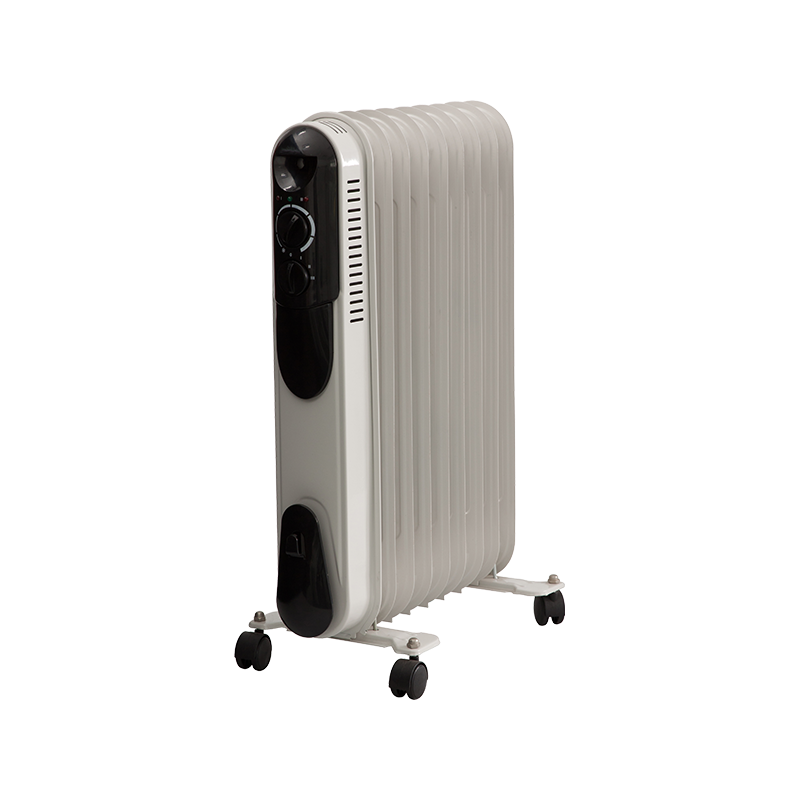
Another hurdle for large areas is the lack of “thermal mass” heating. Because the Electric Quartz Heater does not warm the air, the room does not “hold” the heat. The moment you turn the unit off, the feeling of warmth disappears. In contrast, oil-filled radiators or ceramic heaters warm the air and the objects in the room over a longer period, creating a reservoir of warmth that lingers. In a large living room with many windows or poor insulation, the instant-off nature of quartz heating means the room will return to its baseline cold state almost immediately after the power is cut. Therefore, while it is the “best” choice for immediate, personal comfort, it may not be the best choice for maintaining a baseline temperature in a large room throughout a long winter night.
| Feature Category |
Electric Quartz Heater |
Convection/Fan Heater |
Oil-Filled Radiator |
| Heating Speed |
Instant (Direct Radiation) |
Fast (Air Movement) |
Slow (Gradual) |
| Ideal Room Size |
Large (Spot Heating) |
Small to Medium |
Medium to Large |
| Noise Level |
Silent (No moving parts) |
Moderate (Fan noise) |
Silent (Occasional clicks) |
| Air Quality |
Maintains Humidity |
Can Dry Out Air |
Maintains Humidity |
| Energy Usage |
1500W (High Intensity) |
1500W (Cyclical) |
1500W (Heat Retention) |
Safety Considerations and Professional Best Practices
Safety is paramount when using an Electric Quartz Heater in a high-traffic area like a living room. These units operate by bringing a filament to a glowing-hot state, which carries inherent risks if not managed properly. In a large room, there is a higher probability of children running or pets playing near the device. Therefore, selecting a model with modern safety certifications and implementing a smart placement strategy is non-negotiable for the responsible homeowner.
Critical Safety Hardware for Living Rooms
When shopping for a unit intended for a large living room, look for a “Cool-Touch” exterior. While the quartz tubes themselves become extremely hot, the surrounding cabinet should remain safe to the touch. Furthermore, because large rooms often have more foot traffic, a 360-degree tip-over switch is essential. This sensor immediately kills power if the heater is knocked over in any direction. Another vital feature is Overheat Protection, which uses an internal thermostat to shut down the unit if the internal components reach a dangerous temperature, which can happen if the heater is placed too close to a sofa or if the protective grille becomes obstructed.
Strategies for Optimal Heat Distribution
To maximize the effectiveness of a quartz heater in an expansive space, consider the following professional tips:
- Parabolic Reflectors: Choose a unit with a high-quality polished reflector behind the quartz tubes. This helps focus the infrared waves and project them further into the large room.
- Supplemental Integration: The best way to use a quartz heater in a large living room is as a “booster.” Set your central heating to a lower, energy-saving temperature (e.g., 62°F) and use the quartz heater to provide the extra 10 degrees of warmth exactly where you are sitting.
- Avoid High-Traffic Paths: Place the heater in a corner or against a wall, aimed toward the center of the seating area. Ensure there is a 3-foot “clear zone” around the unit, free of curtains, rugs, or flammable furniture.
Frequently Asked Questions (FAQ)
Q: Can an Electric Quartz Heater replace a central furnace for a large living room?
A: Generally, no. A quartz heater is designed for supplemental or spot heating. While it can make a person feel warm instantly, it lacks the power to raise the ambient air temperature of a large, high-ceilinged room to a comfortable level on its own during extreme cold.
Q: Do quartz heaters use more electricity than other space heaters?
A: Most space heaters, including quartz models, are rated at 1,500 watts. This means they consume the same amount of energy. However, because quartz heaters provide instant warmth, you may find yourself using the unit for shorter durations, which can lead to lower energy bills.
Q: Are the infrared rays from quartz heaters dangerous to eyes or skin?
A: No. Quartz heaters emit “near-infrared” radiation, which is the same type of heat we receive from the sun. It is safe for humans and pets. However, one should avoid staring directly into the glowing elements for prolonged periods to prevent eye strain.
Q: Is it okay to use an extension cord with a quartz heater in a large room?
A: It is highly discouraged. Most extension cords are not rated for the 15-amp draw of a 1,500-watt heater, which can lead to overheating and fire hazards. Always plug the heater directly into a wall outlet.
References
- U.S. Department of Energy (DOE). (2025). Portable Heaters: Safety and Energy Efficiency Guidelines for Homeowners.
- International Journal of Thermal Sciences. (2024). Efficiency of Infrared Radiant Heating in Residential Open-Plan Spaces.
- National Fire Protection Association (NFPA). (2026). Home Heating Safety Report: Preventing Space Heater Fires.
- American Society of Heating, Refrigerating and Air-Conditioning Engineers (ASHRAE). Handbook of Fundamentals: Radiant Heating and Cooling.



 English
 中文简体
中文简体