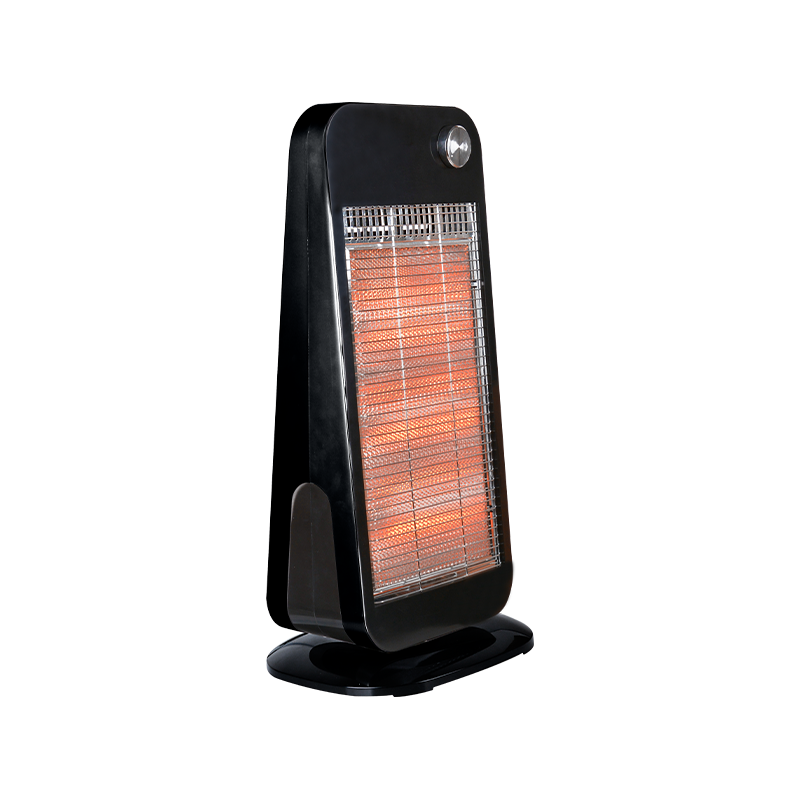
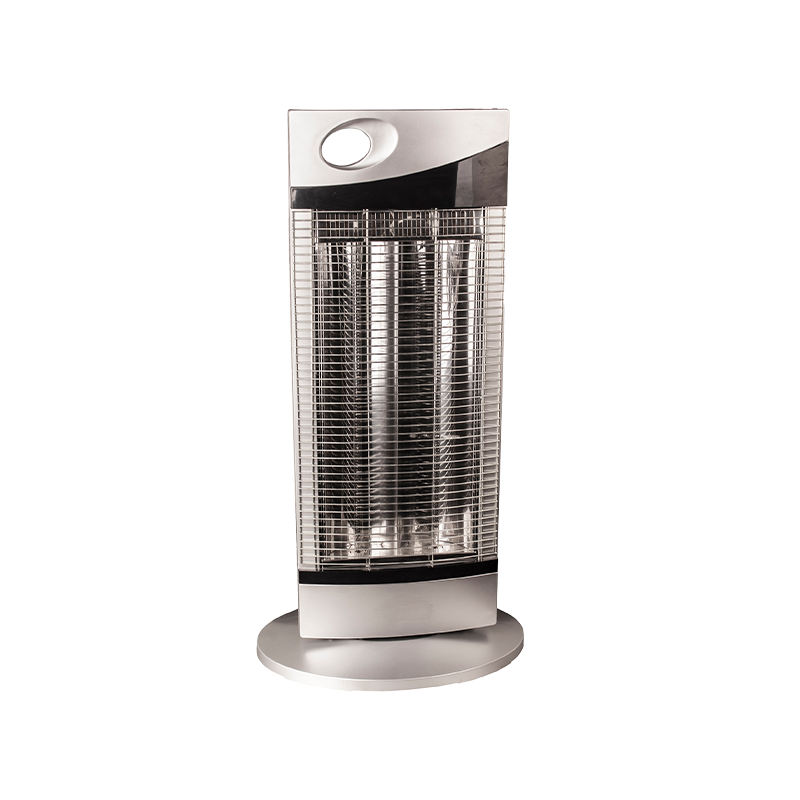
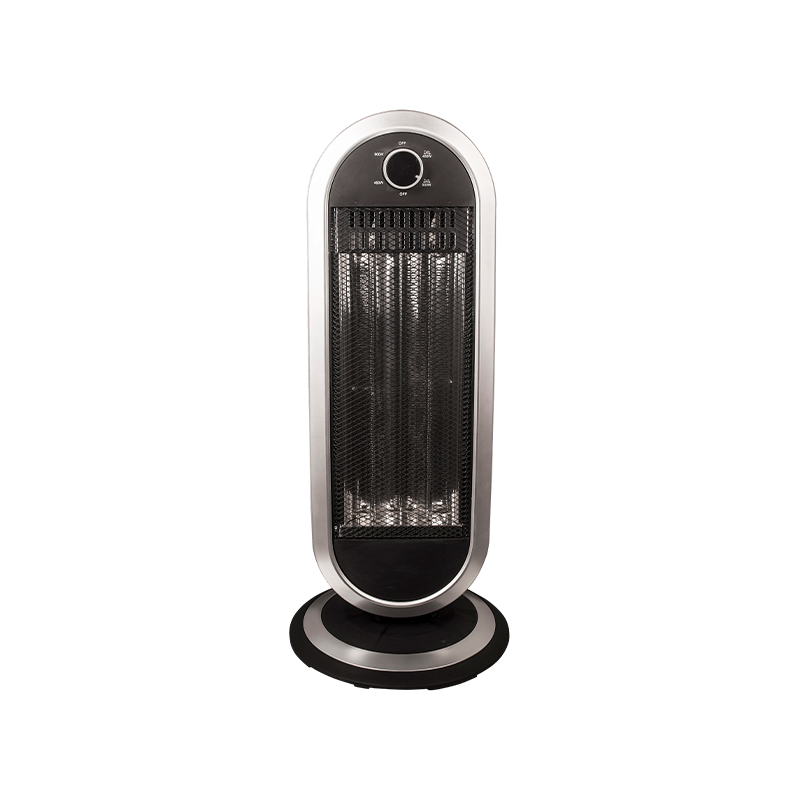
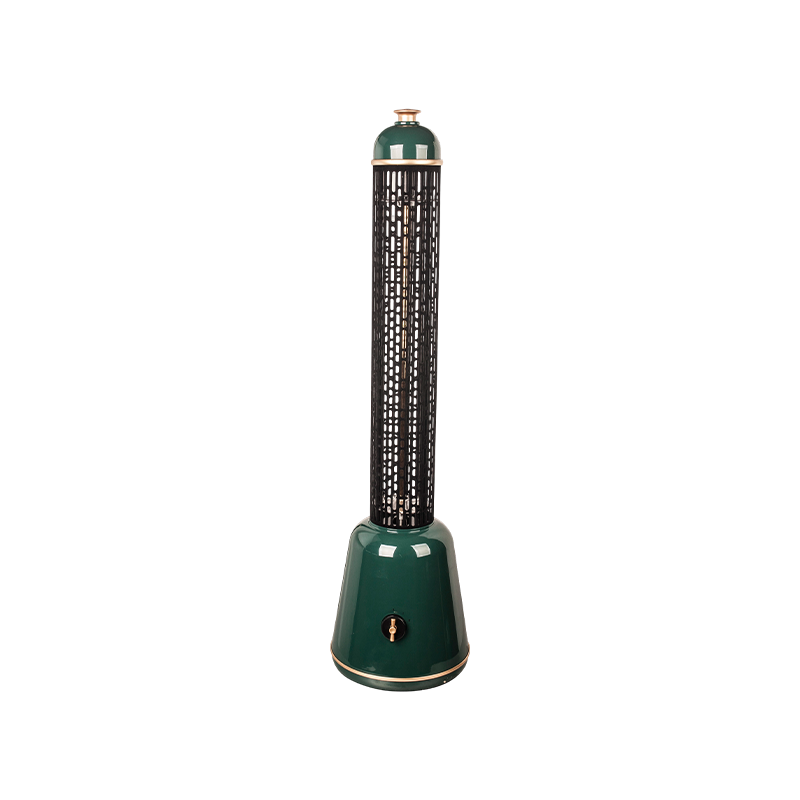
An electric fan heater works by passing air over a heated element and pushing it into the room with an internal fan, delivering fast, localized warmth without the installation cost of central heating. The right heater for most people comes down to three factors: heating element type (ceramic PTC elements are safer and more efficient for home use, while metal coil elements heat faster but run hotter), wattage matched to room size (roughly 10 watts per square foot is a commonly used sizing guideline), and safety features such as tip-over shutoff and overheat protection, which are essential given that space heaters are involved in thousands of house fires every year in the US alone.
How an Electric Fan Heater Works
An electric fan heater uses electrical resistance to generate heat, then relies on a small internal fan to force air across the heating element and circulate warm air into the room. This active air movement is what distinguishes a fan heater from a radiant or convection-only heater, which rely on natural air movement and heat radiation to warm a space more slowly.
Because the fan actively pushes heated air outward, fan heaters typically warm a room's immediate area faster than convection heaters of similar wattage, making them a popular choice for spot heating in bathrooms, home offices, and bedrooms. Most compact fan heaters can raise the temperature of a small room by several degrees within 10-15 minutes of operation, depending on room size, insulation, and starting temperature.
Types of Electric Fan Heaters
Fan heaters vary mainly by their heating element and physical design, both of which affect efficiency, safety, and how the heat feels in a room.
Ceramic (PTC) Fan Heaters
Ceramic fan heaters use a positive temperature coefficient (PTC) element, which naturally limits its own maximum temperature as it heats up, reducing fire risk compared to older metal coil designs. These are the most common type sold for home use today and are generally regarded as the safer, more energy-stable option for enclosed indoor spaces.
Metal Coil (Wire Element) Fan Heaters
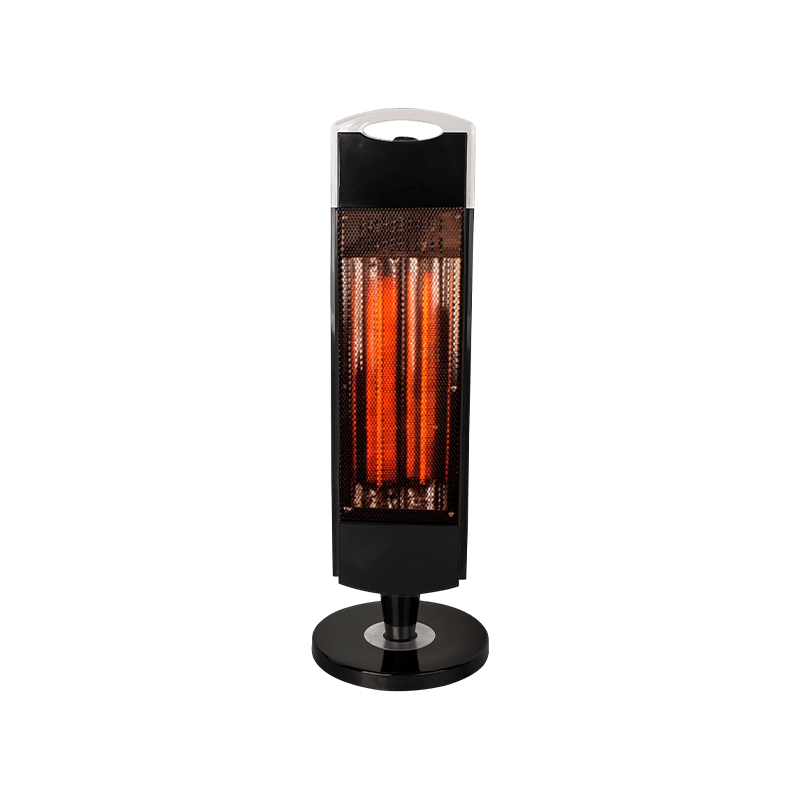
These use an exposed or partially exposed metal coil that glows as it heats, providing very fast initial warmth. They tend to be less expensive but run at higher surface temperatures and typically have a shorter service life than ceramic models, since the exposed coil is more prone to burnout over repeated heating cycles.
Tower Fan Heaters
Tower-style heaters use a vertical, slim housing with oscillation to spread warm air more evenly across a room. They typically use ceramic elements and are a popular choice where floor space is limited or wider heat distribution is preferred over a single directional airflow.
Compact/Personal Fan Heaters
Small, portable units designed for desks or personal spot heating, typically rated under 1,000 watts. These are best suited to warming a small, immediate area rather than an entire room.
Comparison of common electric fan heater types
| Heater Type |
Typical Wattage |
Heat-Up Speed |
Best For |
| Ceramic (PTC) |
750-1,500 W |
Fast |
Bedrooms, offices, bathrooms |
| Metal Coil |
1,000-1,500 W |
Very Fast |
Quick spot warming, garages, workshops |
| Tower |
1,200-1,500 W |
Moderate |
Living rooms, wider spaces |
| Compact/Personal |
200-1,000 W |
Fast |
Desks, small personal spaces |
Key Features to Look For
- Adjustable thermostat: Lets you set and maintain a target room temperature rather than running at full power continuously.
- Multiple heat settings: Allows switching between low, medium, and high output depending on room size and outside temperature.
- Oscillation: Spreads warm air across a wider area instead of heating only in one direction.
- Timer function: Automatically shuts the unit off after a set period, useful for overnight or unattended use.
- Tip-over and overheat protection: Automatically cuts power if the unit is knocked over or internal temperatures exceed safe limits.
- Cool-touch housing: Reduces burn risk, particularly important in households with children or pets.
How to Choose the Right Electric Fan Heater
1. Size the Wattage to Your Room
A commonly used sizing rule is roughly 10 watts per square foot of room space for average ceiling heights and insulation. A 150-square-foot bedroom would generally need about 1,500 watts to heat effectively, which is also the maximum output of most standard household fan heaters sold for safety and outlet-compatibility reasons.
2. Match the Heater to the Space's Purpose
Bathrooms require a unit specifically rated for damp environments, often labeled IP21 or higher for splash resistance. Open living spaces benefit more from oscillating tower models, while desks or small offices are well served by compact personal heaters under 1,000 watts.
3. Prioritize Safety Certifications
Look for third-party safety certification marks (such as UL, ETL, or CE depending on your region) confirming the unit has passed independent electrical and fire-safety testing. Avoid uncertified heaters regardless of price, since space heaters carry a higher fire risk than most household appliances when built to lower safety standards.
4. Consider Noise Level for Bedrooms and Offices
Fan heaters are inherently louder than radiant or oil-filled heaters due to the internal fan. Quality units typically operate in the 40-55 decibel range, roughly comparable to a quiet conversation, which is worth checking if the heater will run overnight in a bedroom.
5. Factor in Running Cost
Electric resistance heating converts nearly all input electricity to heat, so running cost depends primarily on wattage and hours of use. A 1,500-watt heater running for 8 hours uses 12 kilowatt-hours of electricity, which is a useful reference point for estimating daily operating cost against your local electricity rate.
Safe Usage Guidelines
- Place the heater on a flat, stable, non-flammable surface at least 3 feet away from curtains, furniture, and bedding.
- Plug the heater directly into a wall outlet rather than an extension cord or power strip, which can overheat under sustained high current draw.
- Never leave a fan heater running unattended overnight unless it has verified tip-over and overheat shutoff features.
- Keep the air intake and outlet vents clear of dust, fabric, or obstructions to maintain safe internal operating temperatures.
- Turn the unit off and unplug it before cleaning or moving it to a different location.
Maintenance Tips
Simple, regular maintenance keeps a fan heater running efficiently and safely for years.
- Dust the intake grille and vents every few weeks during heavy use season to maintain proper airflow.
- Check the power cord regularly for fraying, cracking, or exposed wiring, and stop using the unit immediately if damage is found.
- Store the heater in a dry location during the off-season to prevent dust buildup and moisture damage.
- Listen for unusual rattling or grinding sounds from the fan motor, which can indicate a failing bearing or obstruction.
An electric fan heater is one of the fastest and most affordable ways to add supplemental warmth to a specific room or space. The right choice comes down to picking a ceramic (PTC) element for safety, sizing wattage to roughly 10 watts per square foot of your room, and prioritizing certified safety features like tip-over and overheat protection. Paired with sensible placement and regular maintenance, a well-chosen fan heater will provide reliable, efficient warmth throughout the colder months.



 English
 中文简体
中文简体