What Is an Electric Heater? Direct Answer
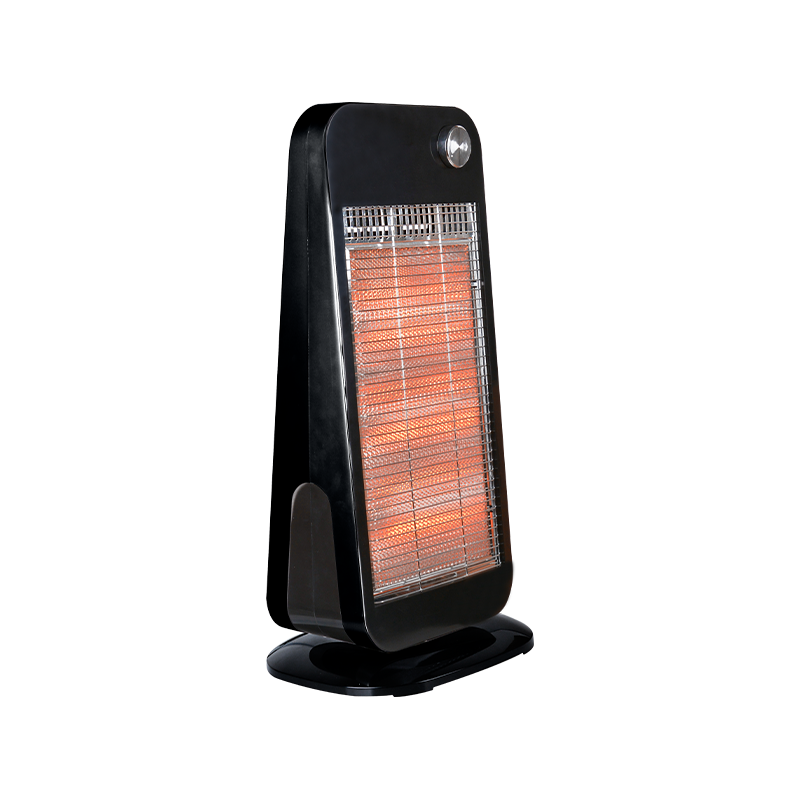
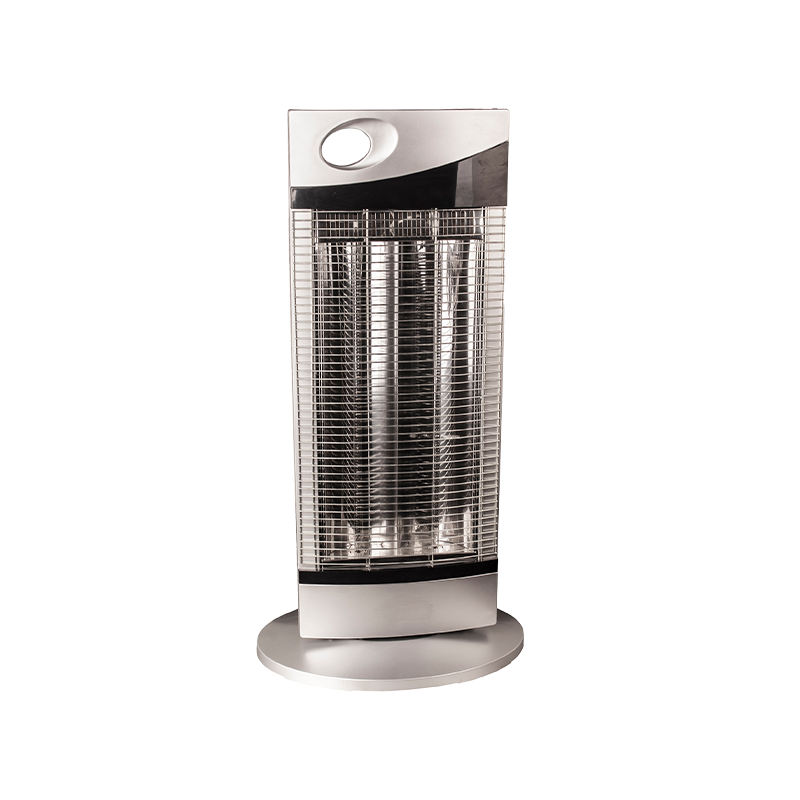
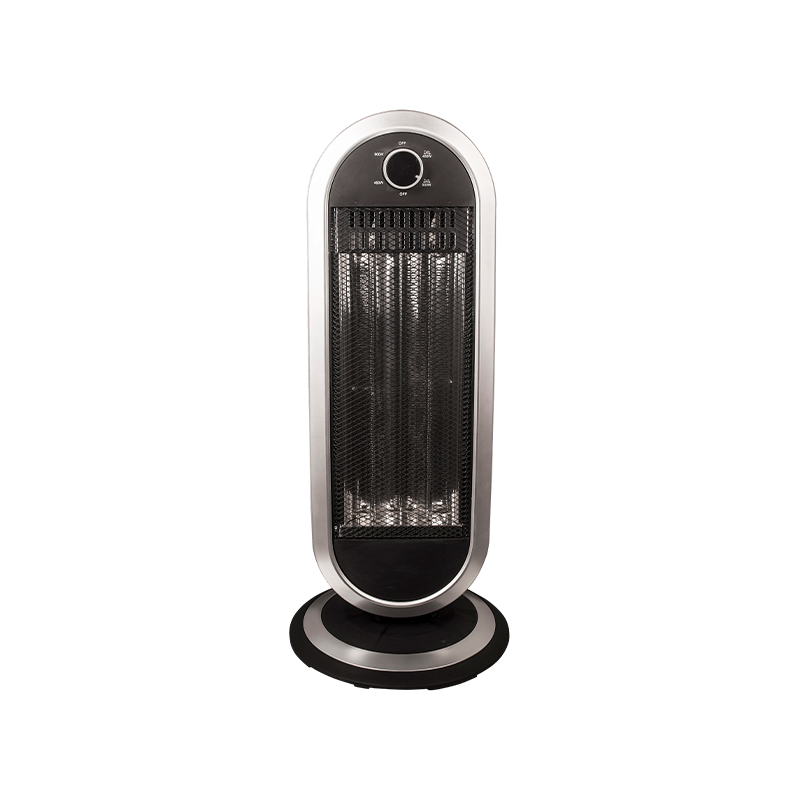
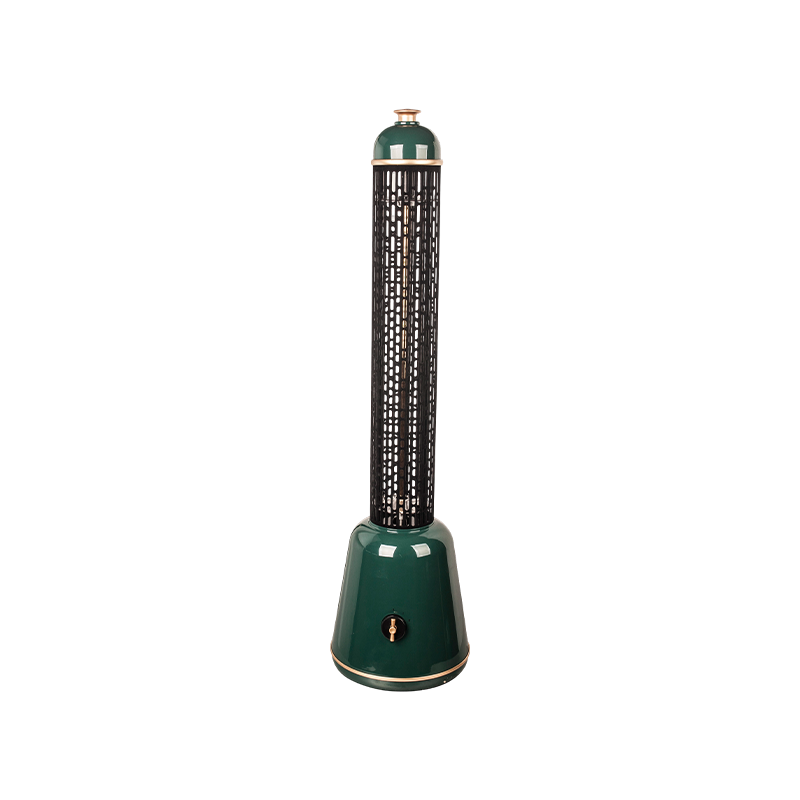
An electric heater is a device that converts electrical energy into heat using a heating element, then distributes that warmth into a room through radiation, convection, or fan-assisted airflow. Unlike gas or oil heaters, electric heaters require no fuel storage or venting, making them simple to install and use in almost any indoor space. Most residential electric heaters draw between 750 and 1,500 watts, which is enough to comfortably heat a small to medium-sized room.
In short: the best electric heater for your space depends on room size, heating speed needed, and how the space is used — convection and oil-filled heaters suit steady, all-day warmth, while fan and infrared heaters excel at quick, targeted heat.
How Electric Heaters Work
All electric heaters share the same basic principle: electrical current passes through a resistive heating element, which heats up due to electrical resistance. The way that heat is then transferred into the room is what differentiates one heater type from another.
Three Main Heat Transfer Methods
- Convection: The heater warms air, which rises and circulates naturally through the room
- Radiation: Infrared heat radiates directly to objects and people in its path, without needing to heat the air first
- Forced air: A built-in fan blows air across the heating element, speeding up heat distribution throughout the room
Types of Electric Heaters Compared
| Heater Type |
Heat-Up Speed |
Best For |
| Ceramic Fan Heater |
Fast (seconds) |
Small rooms, bathrooms, offices |
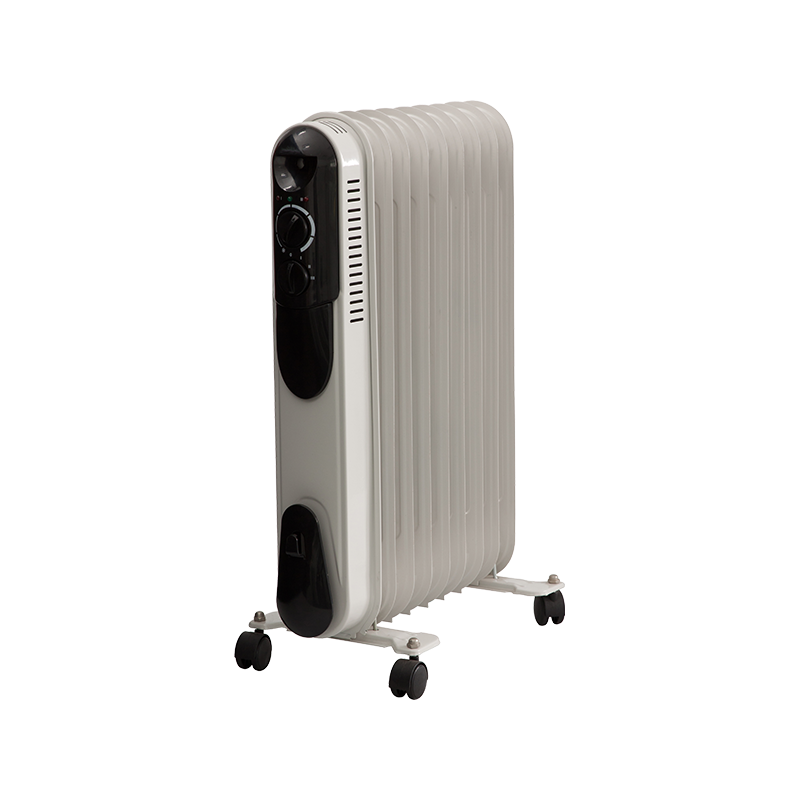
| Oil-Filled Radiator |
Slow (10-20 min) |
Bedrooms, long-duration heating |
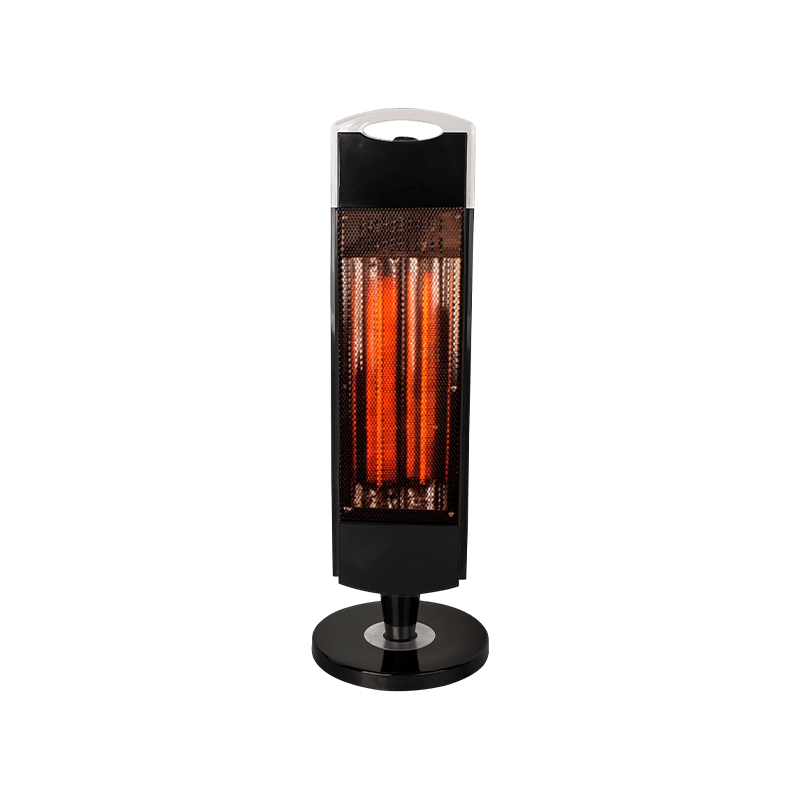
| Infrared/Radiant Heater |
Instant |
Garages, patios, spot heating |
| Panel Convector |
Moderate |
Wall-mounted whole-room heating |
| Mica Panel Heater |
Fast, low surface temp |
Homes with children or pets |
Sizing an Electric Heater to Your Room
A common rule of thumb is that an electric heater needs roughly 10 watts per square foot of room area for average ceiling heights and insulation. For example, a 150 square foot bedroom would generally need a heater rated around 1,500 watts to maintain a comfortable temperature in moderately cold conditions.
- Small rooms (under 100 sq ft): 750-1,000 watt ceramic or panel heaters are usually sufficient
- Medium rooms (100-200 sq ft): 1,500 watt oil-filled or convector heaters work well for steady warmth
- Large or drafty spaces: May require multiple heaters or a higher-wattage unit combined with good insulation
Note that most standard household circuits in North America are rated for 15-20 amps at 120V, so heaters above 1,500 watts may require a dedicated circuit to avoid tripping breakers.
Energy Efficiency and Running Costs
All electric resistance heaters convert nearly 100% of electricity into heat, so efficiency differences between types mainly come down to how well that heat is delivered and retained in the room — not the heater itself. Features that improve real-world efficiency include:
- Programmable thermostats: Prevent overheating and reduce unnecessary energy use
- Timers: Automatically shut off the heater when not needed, such as overnight
- Eco modes: Cycle the heating element on and off to maintain a set temperature with less energy use
- Zoned heating: Using smaller heaters in occupied rooms instead of heating an entire home can reduce overall energy costs
Safety Features to Look For
Because electric heaters generate significant heat in a small space, safety features are essential, especially in homes with children, pets, or pets-prone furniture. Key features to prioritize include:
- Tip-over switch: Automatically shuts off the heater if it's knocked over
- Overheat protection: Cuts power if internal temperatures exceed safe limits
- Cool-touch housing: Reduces burn risk, especially important for mica and panel heaters
- Certification marks: Look for safety certifications such as UL or ETL listing before purchasing
Which Electric Heater Is Best for Your Space?
For a quick warm-up in a small bathroom or office, a ceramic fan heater delivers fast, noticeable heat in seconds. For a bedroom where quiet, steady overnight warmth is the priority, an oil-filled radiator retains heat well after being switched off. For garages, workshops, or outdoor patios, an infrared heater provides direct, targeted warmth without waiting for the air to heat up. And for permanent, low-profile heating in living rooms or hallways, a wall-mounted panel convector blends in while providing consistent background warmth.
By matching heater type, wattage, and safety features to your room size and usage pattern, you can choose an electric heater that heats effectively while keeping energy use and safety risks under control.



 English
 中文简体
中文简体