If you want to extend your outdoor season without the hassle of gas lines or fuel canisters, an electric outdoor heater is the most practical, low-maintenance choice for most homeowners and renters in 2026. They plug in, heat up in seconds, and require virtually zero upkeep. This guide covers everything you need to make a confident purchase — from wattage and heater types to safety features and top picks by use case.
Why Choose an Electric Outdoor Heater Over Gas?
Electric heaters have several clear advantages over propane or natural gas models that make them the preferred option for most residential settings:
- No fuel costs or refills — you only pay for the electricity you use, typically $0.05–$0.20 per hour at average U.S. rates.
- Instant heat — infrared electric heaters reach operating temperature in under 3 seconds, versus 30–60 seconds for gas.
- No open flame — safer for covered patios, pergolas, and households with children or pets.
- No emissions — electric heaters produce zero CO₂ at the point of use, making them cleaner for enclosed or semi-enclosed spaces.
- Lower maintenance — no burner cleaning, no regulator checks, no pilot light issues.
The main trade-off: electric heaters are limited by outlet proximity and power capacity. For very large open spaces (over 200 sq ft) in cold climates (below 20°F), a high-BTU gas heater may still outperform.
Types of Electric Outdoor Heaters Explained
There are four main types. Choosing the right one depends on your space, mounting options, and heating needs.
Infrared / Radiant Heaters
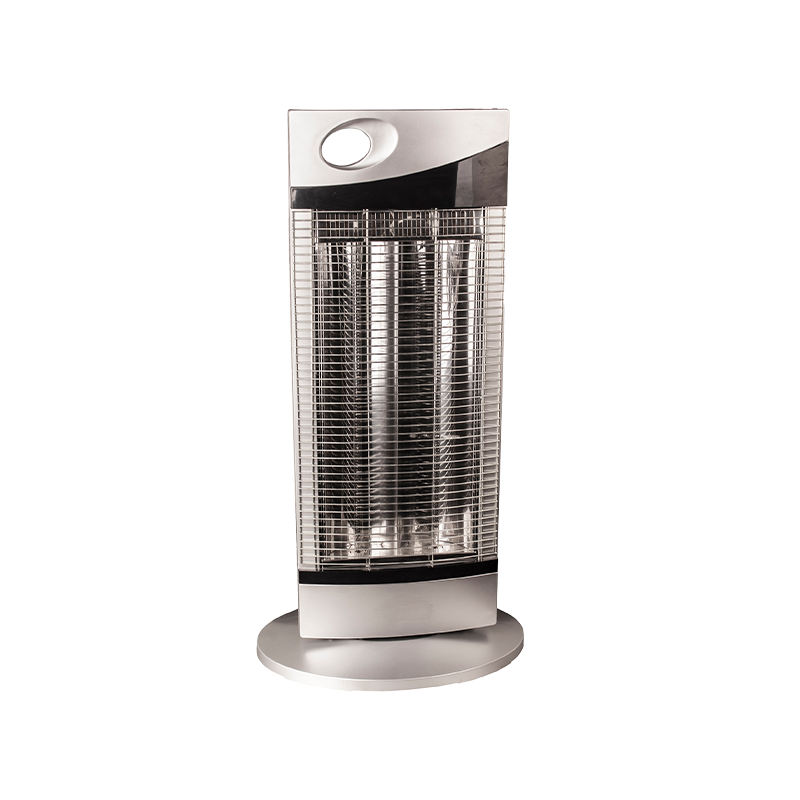
The most popular type for outdoor use. They heat objects and people directly — not the air — making them effective even in breezy conditions. Most residential infrared heaters range from 1,500W to 4,000W and are available in wall-mount, ceiling-mount, and freestanding configurations. Best for patios, decks, and covered pergolas.
Quartz Tube Heaters
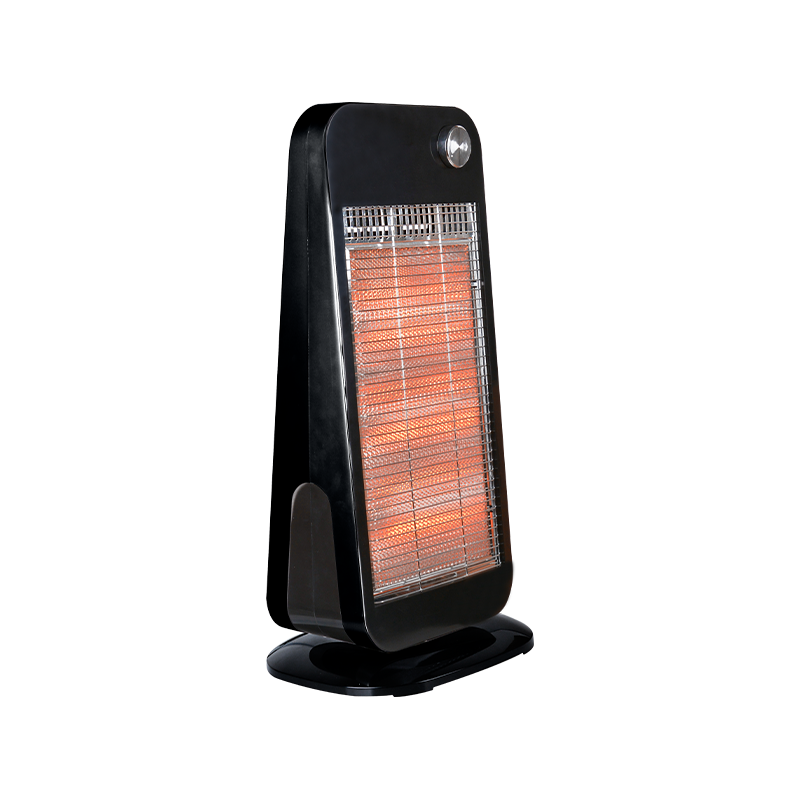
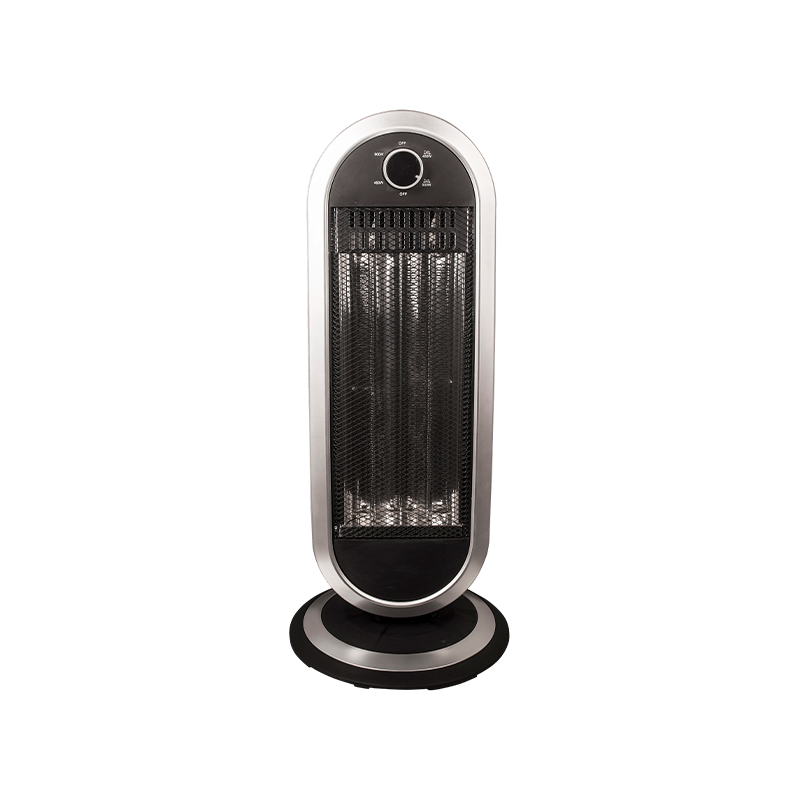
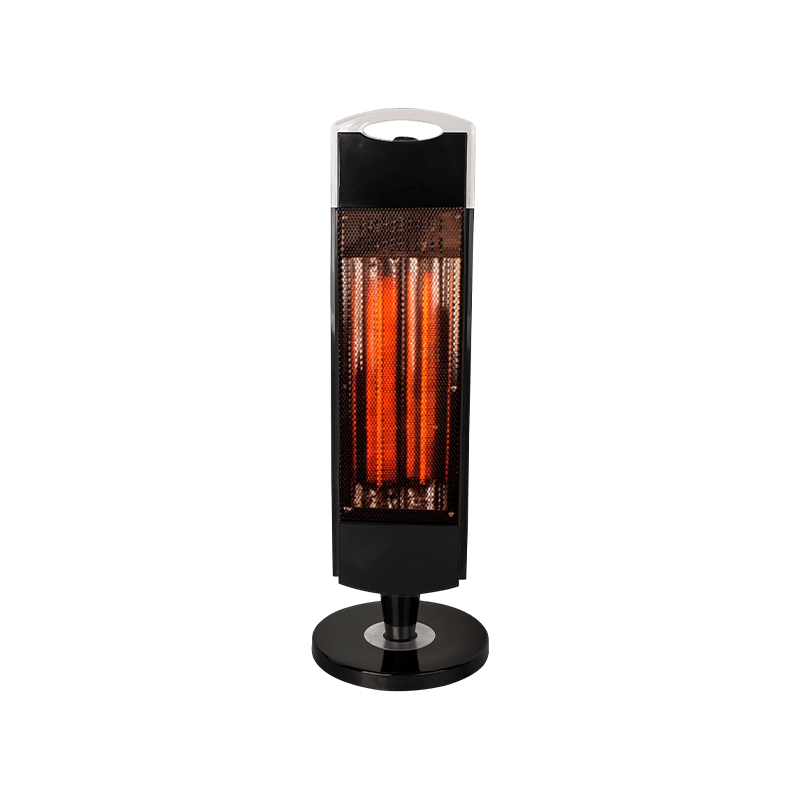
A subset of infrared, quartz tube heaters use a quartz glass element that emits a soft orange glow. They warm up quickly and are slightly more visible at night — some users prefer the ambient light. Typically rated between 1,500W and 3,000W. Good for restaurants, bars, and residential patios.
Halogen Heaters
Halogen models emit a bright, yellowish light alongside heat. They are inexpensive (often under $80) but have shorter element lifespans — typically 5,000–10,000 hours versus 20,000+ hours for quality infrared. Good for occasional use or tight budgets.
Ceramic / Fan-Forced Heaters
These use a fan to push heated air outward. They work best in calm, semi-enclosed spaces because wind disperses the warm air quickly. Less effective in open outdoor environments, but useful for enclosed gazebos or screened porches.
| Type |
Best For |
Typical Wattage |
Wind Resistance |
Avg. Price Range |
| Infrared / Radiant |
Open patios, decks |
1,500–4,000W |
Excellent |
$80–$400 |
| Quartz Tube |
Restaurants, patios |
1,500–3,000W |
Good |
$100–$350 |
| Halogen |
Occasional / budget use |
800–2,000W |
Moderate |
$40–$150 |
| Ceramic / Fan-Forced |
Enclosed/screened spaces |
1,000–1,500W |
Poor |
$30–$120 |
Comparison of electric outdoor heater types by key features and price range.
How Much Wattage Do You Actually Need?
The most common rule of thumb is 10 watts per square foot for an open outdoor space. That means a 150 sq ft patio needs approximately 1,500W, while a 300 sq ft deck may require 3,000W or two separate 1,500W units.
However, several factors can increase or decrease your needs:
- Ceiling or overhead coverage — a covered patio retains heat better; you may be able to use 20–30% less wattage.
- Climate — in areas where winter temps drop below 30°F, add 20–25% more wattage to compensate.
- Wind exposure — an exposed rooftop or beachfront deck can reduce infrared efficiency by up to 40%.
- Mounting height — ceiling-mounted heaters installed at 8–10 ft are most efficient; above 12 ft, heat dissipates noticeably.
A practical example: a covered 10×20 ft restaurant patio (200 sq ft) in a mild climate like Southern California would be well served by a single 2,000W wall-mount infrared heater, while the same space in Chicago in January would need at least 2,500–3,000W.
Key Features to Look for Before You Buy
IP (Ingress Protection) Rating
For any outdoor heater, check the IP rating. A minimum of IP44 is recommended for covered patios; IP65 or higher is required for exposed outdoor areas. IP44 means protected against splashing water from any direction; IP65 means fully dust-tight and protected against water jets. Using a heater with an insufficient IP rating outdoors voids most warranties and creates a safety risk.
Heat Settings and Thermostat
Look for at least two or three power levels (e.g., 800W / 1,600W / 2,400W). Variable thermostats and smart controls can reduce energy consumption by 20–35% compared to always running at full power. Some 2026 models — such as those from Bromic and Infratech — now support app-based scheduling and voice assistant integration.
Tip-Over and Overheat Protection
Essential for freestanding models. A tip-over switch automatically cuts power if the unit falls. Overheat protection shuts the heater down if internal temperatures exceed safe thresholds. Both are now standard on most reputable brands but should be confirmed in the product specs, especially on budget models under $100.
Mounting Flexibility
Wall-mount and ceiling-mount heaters save floor space and direct heat more precisely. Many models include a swivel bracket that allows 30–45° tilt adjustment. For renters or those who move the heater seasonally, a freestanding model with wheels offers more flexibility.
Plug Type and Voltage
Heaters up to 1,500W typically run on a standard 120V / 15A household outlet. Models above 1,500W — especially those at 2,000W or more — usually require a 240V outlet or a dedicated 20A circuit. Confirm your outdoor outlet specs before buying a high-wattage unit to avoid needing an electrician.
Best Electric Outdoor Heaters by Use Case in 2026
Rather than ranking by price alone, here are top-performing options matched to common real-world scenarios:
Best for a Residential Covered Patio: Bromic Tungsten Smart-Heat 2000W
Bromic's Tungsten series consistently tops professional reviews for its sleek stainless steel design, precise directional heat, and IP55 rating. The 2000W model covers approximately 130–160 sq ft and supports smart home integration. Retail price: ~$500–$600. Premium cost, but built to last 10+ years.
Best Budget Pick Under $100: Dr. Infrared Heater DR-238 (1,500W)
A strong performer in the budget category with dual heat settings, a remote control, and a tip-over shutoff. Suitable for covered patios and small decks. The carbon fiber heating element is more durable than typical halogen elements at this price point. Available at major retailers for $75–$95.
Best for Commercial Use: Infratech CD Series (3,000W)
Infratech is widely used by restaurants and hospitality venues. The CD Series ceiling-mount units offer single-element outputs from 1,500W to 4,000W, a 25-year element warranty, and integration with commercial-grade dimmer controls. Price range: $350–$700 per unit.
Best Freestanding Portable Option: AZ Patio Heaters HLI-1821 (1,500W)
If you need portability — moving the heater from the patio to the garage or storing it off-season — this freestanding quartz tube model delivers reliable heat on a standard 120V outlet with no installation required. Retail: ~$80–$110.
Running Costs: What to Expect on Your Electricity Bill
Understanding operating costs helps you compare electric vs. gas and choose the right wattage level. The formula is simple:
Cost per hour = (Wattage ÷ 1,000) × electricity rate ($/kWh)
The U.S. average residential electricity rate in 2026 is approximately $0.16/kWh, though it varies by state (Hawaii averages $0.38/kWh; Louisiana averages $0.09/kWh).
| Heater Wattage |
Cost/Hour (@ $0.16/kWh) |
Cost for 3 hrs/day, 30 Days |
| 1,000W |
$0.16 |
$14.40 |
| 1,500W |
$0.24 |
$21.60 |
| 2,000W |
$0.32 |
$28.80 |
| 3,000W |
$0.48 |
$43.20 |
| 4,000W |
$0.64 |
$57.60 |
Estimated monthly operating costs based on U.S. average electricity rate of $0.16/kWh at 3 hours of daily use.
For comparison, a 40,000 BTU propane patio heater uses roughly 0.44 lbs of propane per hour. At ~$3.50/lb (2026 average), that's $1.54 per hour — significantly more than even a 4,000W electric heater in most U.S. regions.
Installation Tips for Wall- and Ceiling-Mount Models
Proper installation makes a significant difference in both safety and heating effectiveness:
- Maintain minimum clearances. Most manufacturers require at least 24 inches of clearance between the heater and any ceiling, wall, or combustible surface. Check the manual — some commercial units require 36 inches.
- Mount at the correct height. For ceiling mounts, 8–10 ft is the ideal range. Below 7 ft creates a burn risk; above 12 ft significantly reduces efficiency.
- Use a dedicated circuit for high-wattage units. Heaters above 1,500W should be on their own breaker. Sharing a circuit with other appliances risks tripped breakers or overheating.
- Use outdoor-rated wiring and conduit. Any exposed wiring should be rated for outdoor use (UL listed, weatherproof connectors). This is especially important in wet climates.
- Angle for coverage, not just downward. A 30° tilt toward seating areas ensures heat reaches people rather than the floor directly below the unit.
Common Mistakes to Avoid
- Buying based on wattage alone. A 2,000W heater with poor directional control may feel less warm than a 1,500W model with a well-designed reflector. Check beam angle specs (typically 60°–120°).
- Ignoring the IP rating. A heater rated IP34 used in a rainy region is a safety hazard and will degrade rapidly within one season.
- Assuming one heater covers an L-shaped patio. Odd-shaped spaces often need two smaller units placed strategically rather than one large central unit.
- Skipping the outlet check. Buying a 240V heater without a compatible outdoor outlet is a very common (and costly) mistake — verify your setup before purchasing.
- Using an indoor extension cord. Always use a heavy-duty outdoor-rated extension cord (12 AWG or thicker) rated for the heater's amperage. Indoor cords can overheat and cause fires.
Final Verdict: How to Pick the Right Electric Outdoor Heater
Here's a quick decision framework to guide your final choice:
- Small covered patio (under 100 sq ft), mild climate: A 1,500W infrared heater on a standard 120V outlet is sufficient. Budget $80–$150.
- Medium patio (100–200 sq ft), moderate climate: A 2,000–2,500W wall- or ceiling-mount model. Budget $150–$350. Confirm 240V availability.
- Large patio or commercial space (200+ sq ft): Two or more 2,000–3,000W units from a commercial brand like Infratech or Bromic. Budget $400–$1,200+.
- Renters or portable use: A freestanding 1,500W model on a 120V outlet. Budget $80–$150, no installation required.
Bottom line: for most homeowners, a 1,500–2,000W infrared electric heater with an IP55+ rating, at least two heat settings, and tip-over protection hits the sweet spot of performance, safety, and value. Spend more only if you need commercial durability, smart controls, or coverage for a large open-air venue.



 English
 中文简体
中文简体