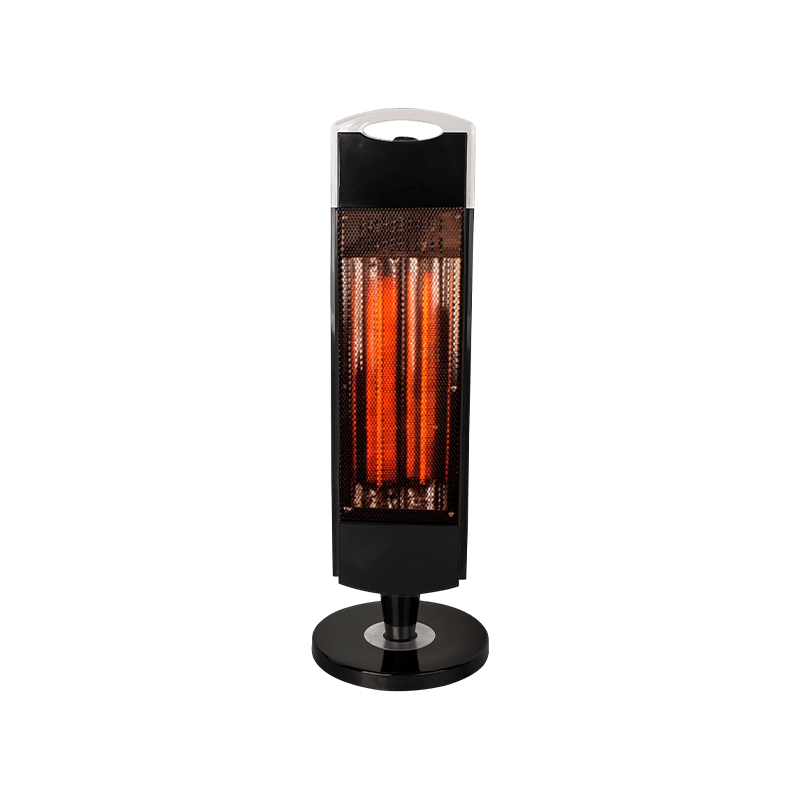
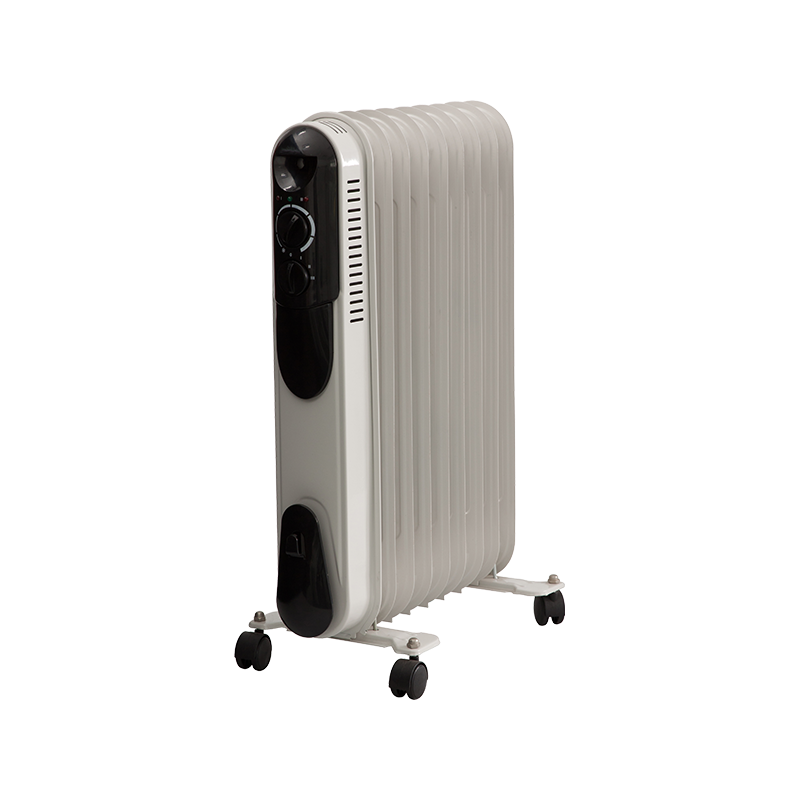
If your electric heater is running but the room still feels cold, the problem is almost never the heater itself. In the vast majority of cases, the root cause is one of a handful of fixable issues — poor placement, undersized wattage, heat escaping through gaps, or the wrong heater type for the space. This article walks through every major reason your electric heater is underperforming and gives you concrete steps to fix each one.
Your Heater Is Simply Too Small for the Room
This is the single most common reason a heater fails to warm a room. The industry standard is 10 watts per square foot for a well-insulated space. If your room is poorly insulated, drafty, or has high ceilings, increase that estimate to 12–15 watts per square foot.
Here is a quick reference to check whether your heater is up to the job:
| Room Size |
Min. Wattage (Well-Insulated) |
Min. Wattage (Drafty/High Ceiling) |
| 100 sq ft (small bedroom) |
1,000W |
1,200–1,500W |
| 150 sq ft (master bedroom) |
1,500W |
1,800–2,000W |
| 200 sq ft (living room) |
2,000W |
2,500–3,000W |
| 300 sq ft (open plan area) |
3,000W |
3,500–4,500W |
Wattage requirements increase significantly in older homes with poor insulation or rooms with ceiling heights above 8 feet.
If your 1,500W heater is struggling to heat a 250 sq ft open-plan living area, it is not broken — it is simply physically incapable of generating enough heat for that volume of air. The fix is either a higher-wattage unit or a second heater placed at the opposite end of the room.
The Heater Is in the Wrong Position
Placement has a dramatic effect on how efficiently a heater warms a room. Many people instinctively push heaters into corners or against walls to keep them out of the way — which is one of the worst things you can do for heat distribution.
Common placement mistakes and their fixes
- Placed in a corner: Heat gets trapped and circulates poorly. Move the heater to a central wall so warm air can flow across the room.
- Placed directly under a window: Cold air drafts from the window constantly cool the heated air before it reaches the room. Move at least 18 inches away from any window.
- Blocked by furniture: A sofa or bookcase in front of the heater absorbs heat and blocks airflow entirely. Keep at least 3 feet of clear space in front of the unit.
- On the wrong side of the room: For convection heaters, place the unit on the coldest wall (usually an exterior wall) so the rising warm air counters the cold zone. For infrared heaters, point the panel directly at the area where people sit.
- On the floor in a high-ceiling room: Hot air rises immediately. In rooms with ceilings above 9 feet, a ceiling fan running on low in reverse (clockwise) pushes warm air back down and can improve perceived warmth by up to 15%.
Heat Is Escaping Through Gaps and Poor Insulation
Your heater may be generating plenty of heat — but if the room is leaking it as fast as the heater produces it, the temperature will never rise. Up to 30% of a home's heating energy is lost through poorly sealed doors, windows, and gaps in walls, according to the US Department of Energy.
Before assuming your heater is at fault, do a quick audit of the room:
- Doors: Hold your hand near the bottom and sides of the door. A noticeable draft means the weatherstripping has failed. Replacing it costs under $15 and can make an immediate difference.
- Windows: Single-pane windows lose heat at roughly twice the rate of double-pane glass. If replacement is not an option, heavy curtains or thermal window film are effective short-term fixes that reduce heat loss by 10–25%.
- Electrical outlets on exterior walls: These are a surprisingly common source of cold air infiltration. Foam outlet gaskets (available for under $5) seal the gap behind the cover plate.
- Floors and baseboards: Gaps where the baseboard meets the floor allow cold air from below to enter. Seal with paintable caulk.
A room that retains heat well will reach the target temperature faster and require the heater to cycle on far less frequently — directly reducing your electricity bill.
You Are Using the Wrong Type of Heater for the Space
Different heater technologies are designed for different use cases. Using the wrong type is one of the most overlooked reasons a heater feels ineffective — even when it is functioning perfectly.
| Your Situation |
Wrong Heater Type |
Right Heater Type |
| Large open-plan living room |
Halogen or infrared panel |
Ceramic fan heater or oil-filled radiator |
| Home office, one person at a desk |
1,500W fan heater running all day |
300–700W infrared panel aimed at the desk |
| Bedroom used overnight |
Fan heater (noisy, dries air) |
Oil-filled radiator (silent, consistent) |
| Drafty garage or workshop |
Convection heater (heats air that escapes) |
Infrared heater (warms people directly) |
| Quick morning warm-up in bathroom |
Oil-filled radiator (too slow) |
Ceramic fan heater (heats in under 2 min) |
Matching heater type to use case is as important as wattage when diagnosing poor heating performance.
The Heater's Air Filter or Vents Are Clogged
Fan-based heaters — including ceramic and convection models — draw air through an intake vent, heat it, and push it out through a front or top grille. When dust and debris accumulate on the intake vents, airflow is restricted and heat output drops noticeably.
A clogged heater does not just perform poorly — it also runs hotter internally, which triggers the overheat protection cutoff more frequently. You may notice the unit cycling off after just a few minutes of operation. This is the heater protecting itself, not a malfunction.
How to clean your heater safely
- Unplug the unit and allow it to cool completely — at least 30 minutes.
- Use a soft brush or dry cloth to remove visible dust from the intake and output grilles.
- Use a can of compressed air to blow dust out of the internal vents without disassembling the unit.
- Never use water, wet cloths, or vacuum cleaners with metal attachments directly on the heating element.
- Clean every 4–6 weeks during heavy use periods.
Many users report a noticeable improvement in heat output after their first proper cleaning — simply because the unit had been running at reduced capacity for months without anyone realizing it.
The Thermostat Setting Is Working Against You
Many electric heaters with built-in thermostats are set conservatively at the factory — often as low as 65°F (18°C). If the thermostat reaches its target before the room feels warm to you, it will cut power to the heating element. The fan may continue running, circulating room-temperature air that feels cool.
This is frequently misdiagnosed as the heater "not working." In reality, the heater is doing exactly what it was set to do. The fix is simple: increase the thermostat setting by 2–3°C (4–5°F) and allow 10–15 minutes for the room temperature to stabilize before adjusting further.
For heaters without a precise thermostat dial, try these strategies:
- Use the highest heat setting for the first 10–15 minutes to bring the room up to temperature, then reduce to a lower setting to maintain it.
- Place a standalone room thermometer near where you sit — not near the heater — to get an accurate reading of actual room temperature rather than the air around the unit.
- For smart plug-compatible heaters, pair with a smart plug timer to pre-heat the room 20 minutes before you enter.
The Room Has Too Much Cold Thermal Mass
Thermal mass refers to how much heat a material absorbs before it starts to radiate warmth back. Stone floors, concrete walls, large ceramic tiles, and thick brick surfaces all have high thermal mass — they absorb enormous amounts of heat energy before the room air temperature rises.
If your heater runs for 30 minutes and the room still feels cold, touch an interior wall or the floor. If they feel noticeably colder than the air, your heater is spending most of its energy warming surfaces rather than warming you.
Practical solutions for high-thermal-mass rooms:
- Add rugs to stone or tile floors — a thick area rug reduces heat absorption and makes the room feel significantly warmer within minutes of entering.
- Switch to an infrared heater — infrared radiation warms people and objects directly without needing to heat the surrounding air or walls first, making it far more responsive in high-mass rooms.
- Pre-heat the room earlier — in high-mass rooms, start the heater 30–45 minutes before occupancy rather than 10–15 minutes, to give surfaces time to warm up.
A Quick Diagnostic Checklist
If your electric heater is not warming the room effectively, run through this checklist before buying a replacement:
- Wattage check: Is the heater at least 10W per sq ft of room area? If not, it is undersized.
- Placement check: Is it against a central wall with 3 feet of clear space in front? Is it away from windows and corners?
- Draft check: Hold your hand near doors, windows, and baseboards. Can you feel cold air entering the room?
- Cleanliness check: Are the intake and output vents visibly dusty or blocked? When did you last clean the unit?
- Thermostat check: Is the heater cutting off early? Try increasing the thermostat setting by 3–5°F and observe the result.
- Heater type check: Is the heater technology suited to your specific use case — room size, usage pattern, and time of day?
- Thermal mass check: Does the room have stone floors, concrete walls, or large tiled surfaces that absorb heat before releasing it?
In most cases, addressing just one or two items on this list is enough to transform a heater that feels ineffective into one that keeps the room comfortably warm — without spending a penny on a new appliance.



 English
 中文简体
中文简体