Home / Products / Air Fan & Cooling
Air Fan & Cooling OEM/ODM
Our company produces and exports heaters,
water dispensers, electric fans, air coolers and tea bar machines, and has become a trusted brand in the industry.

Electric Air Fan/Cooler Manufacturers

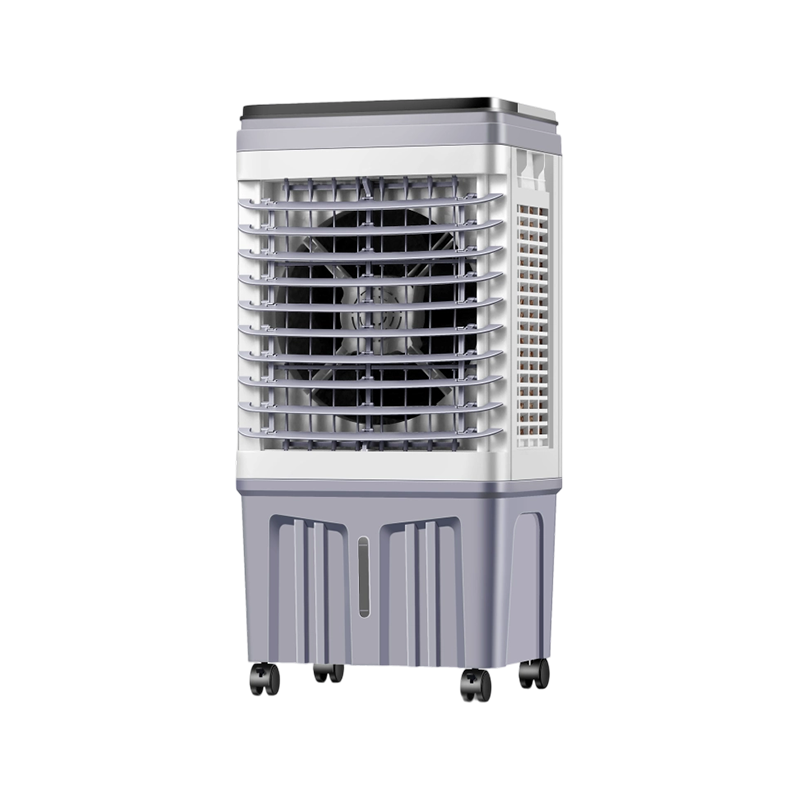
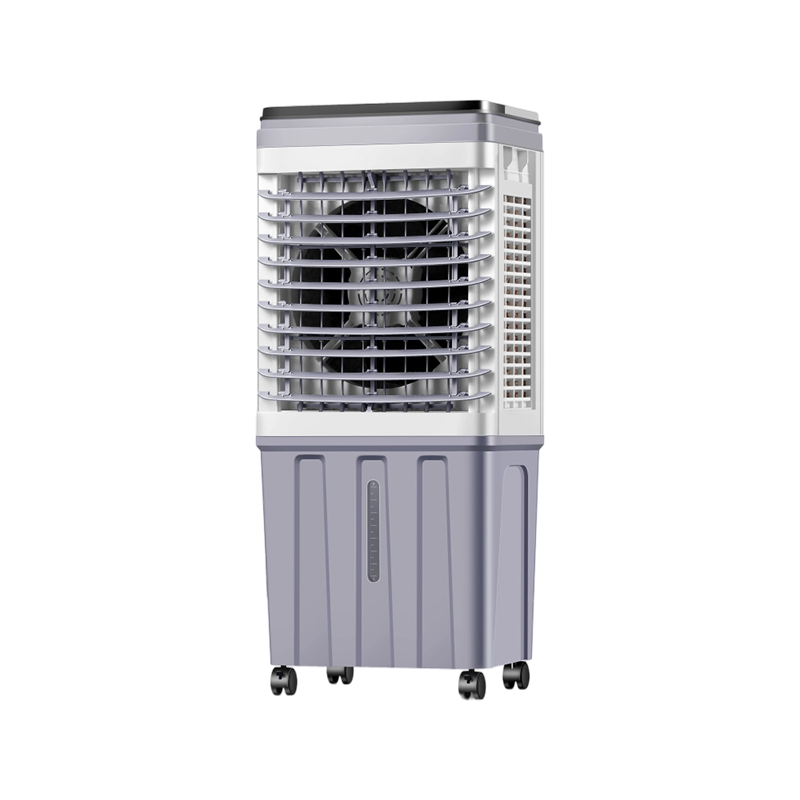
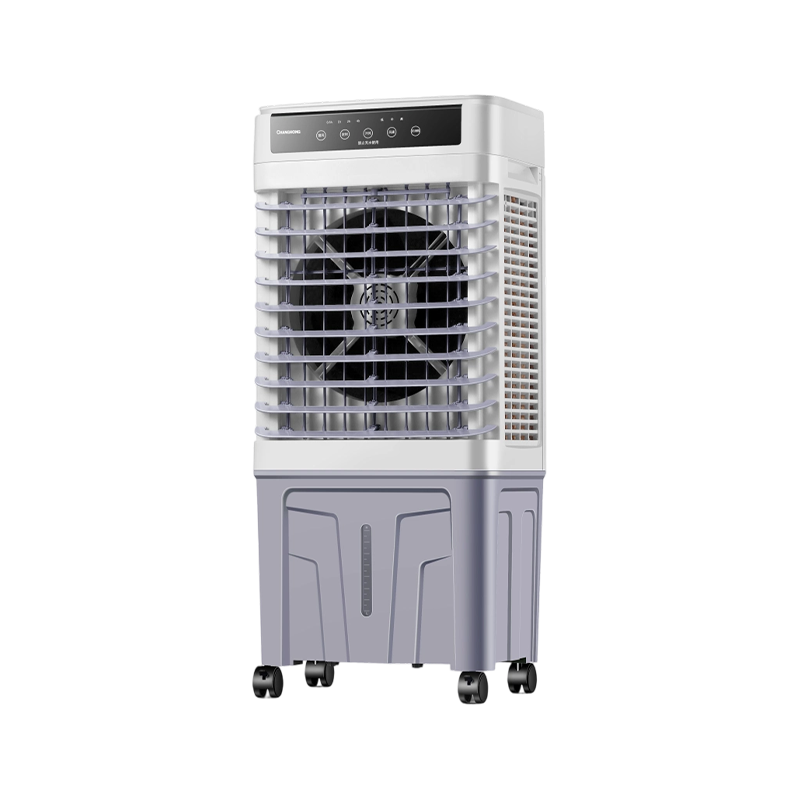
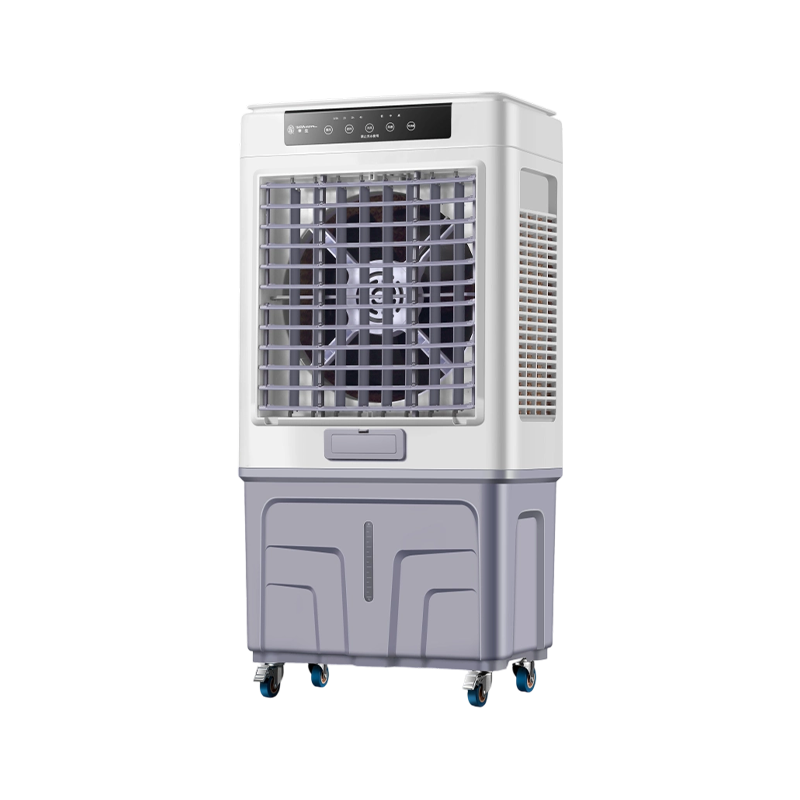
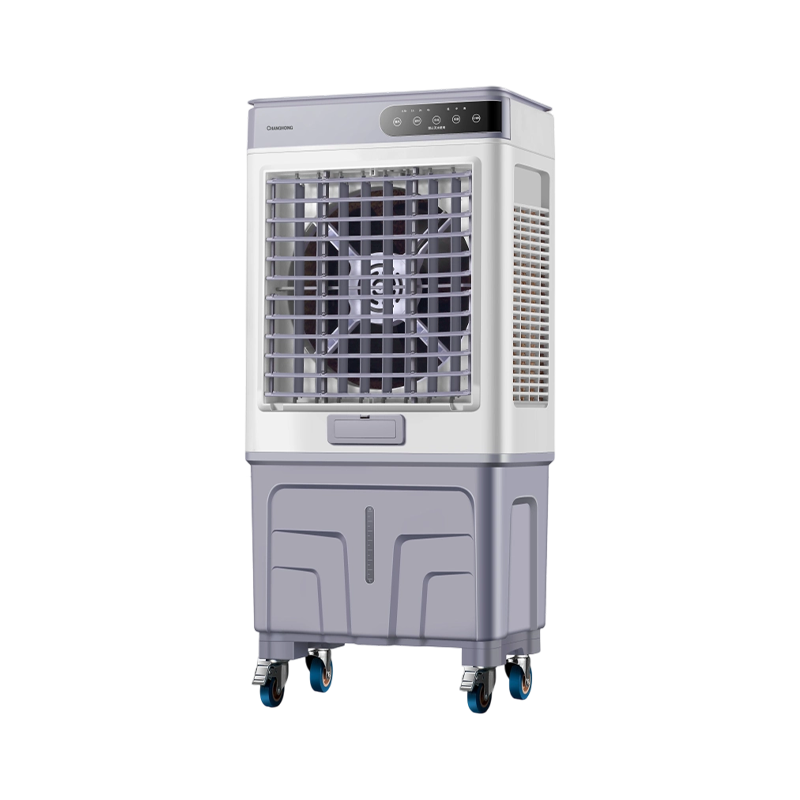
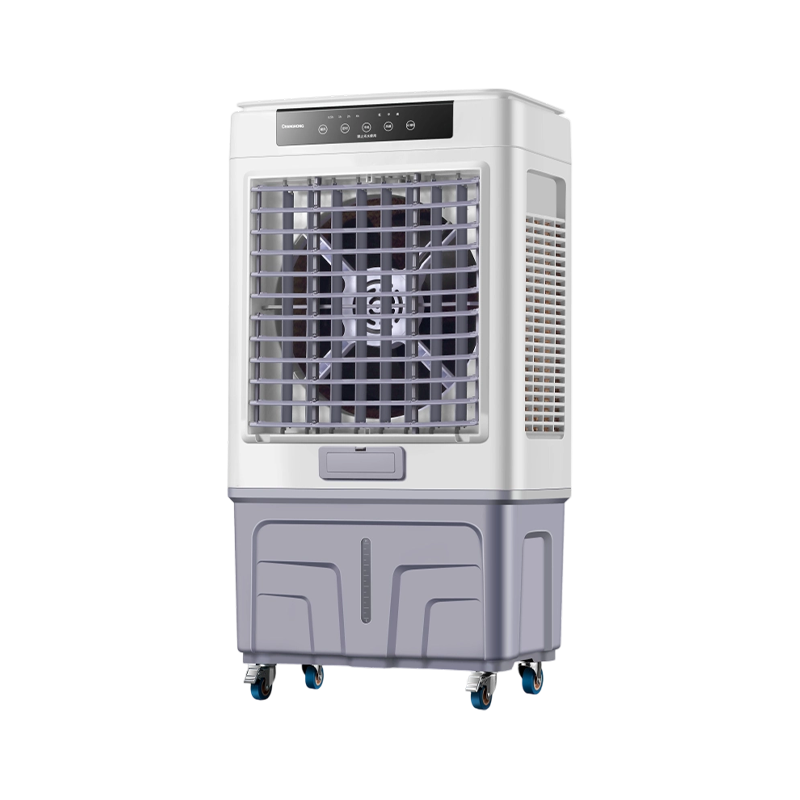
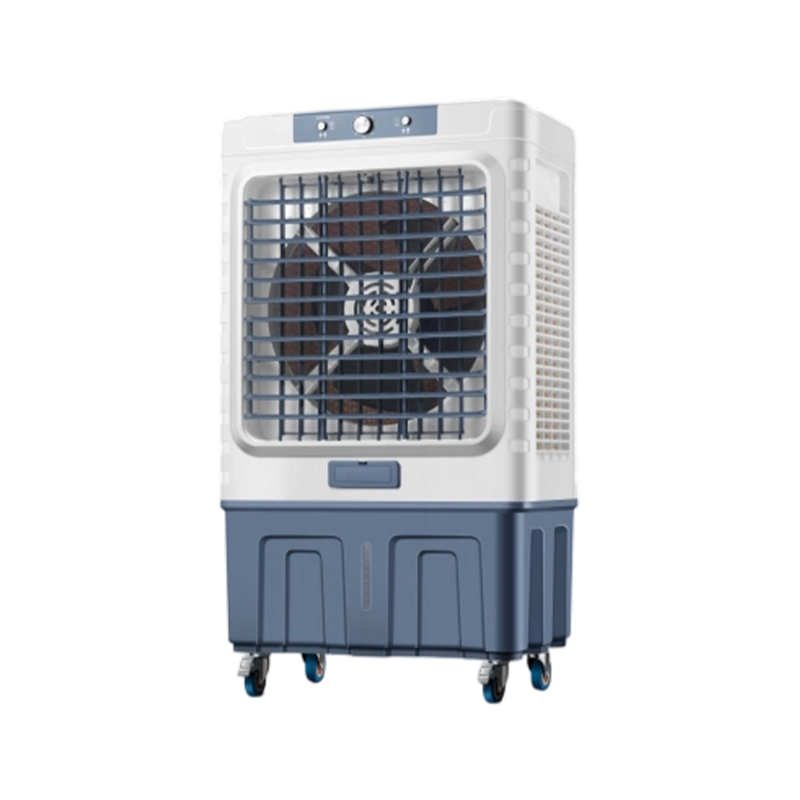
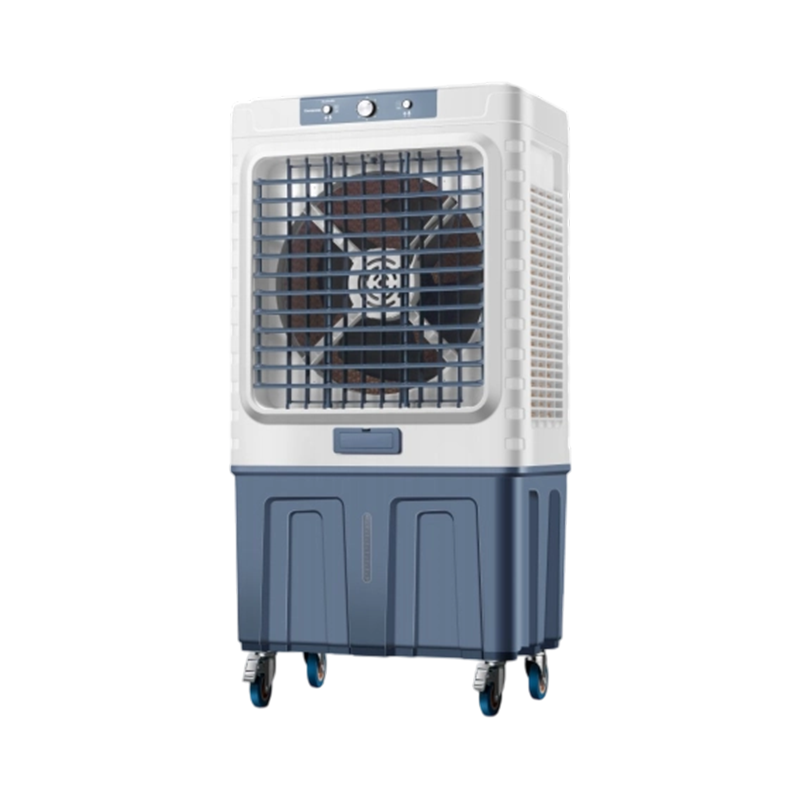
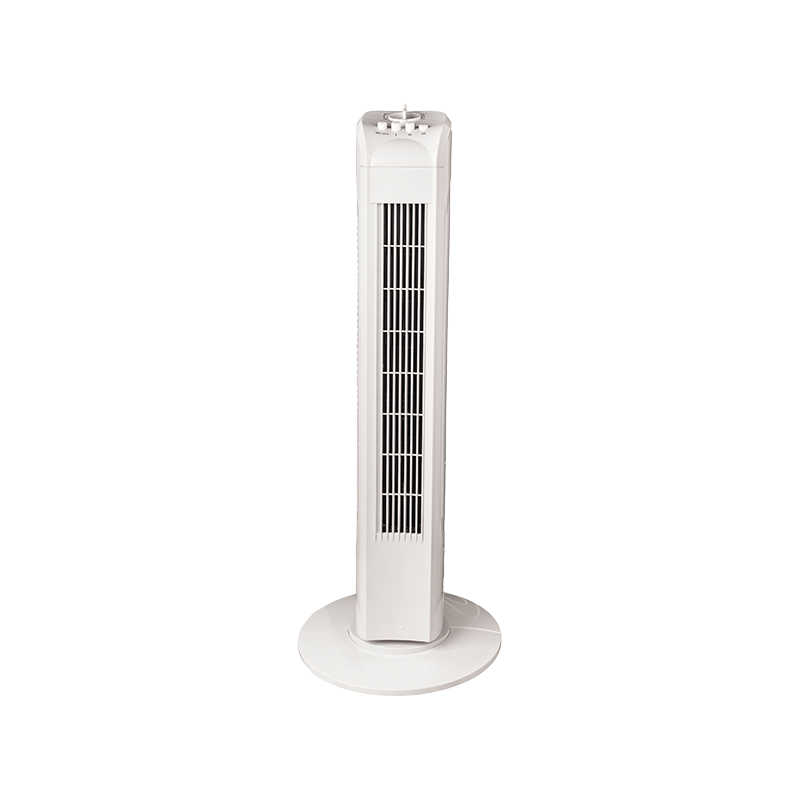
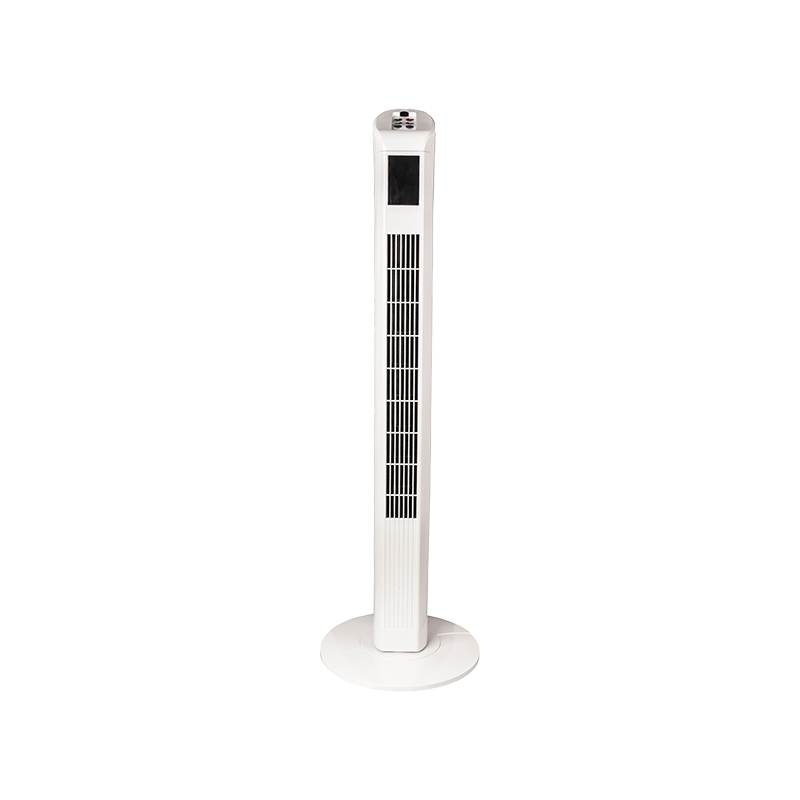
This air fan&cooling can quickly blow away hot air with strong wind and bring coolness.This air fan&cooling can cool quickly ,it allows you to enjoy coolness immediately even in the hot summer.This air fan&cooling can save electricity and doesn't use much even when used for a long time,it allows you to use it as you wish.

About Us
NINGBO FASHIDA APPLIANCE TECHNOLOGY CO., LTD.

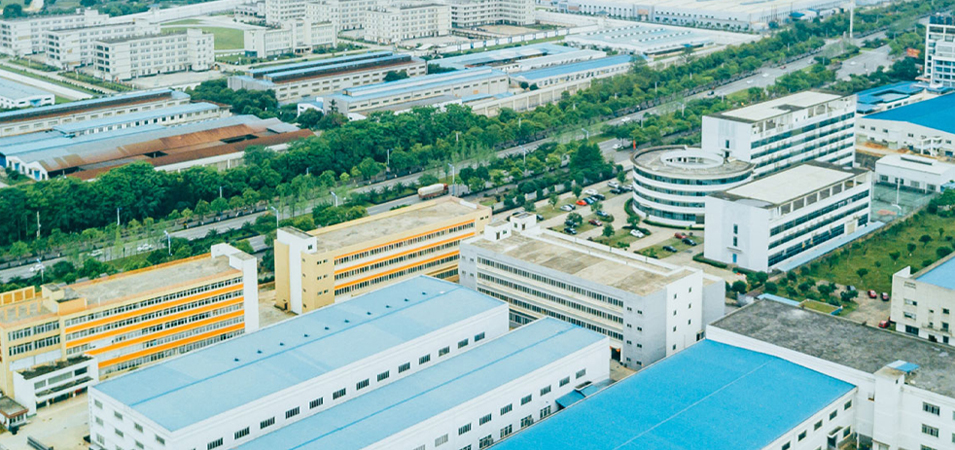
As China Air Cooler Manufacturers and Electric Air Fan Factory, Ningbo Fashida Appliance Technology Co., Ltd. is a leading manufacturer of small household appliances, with its headquarters located in Cixi, the home appliance capital of China. Since 2007, we have been committed to providing high-quality products such as heaters, water dispensers, fans, etc. Due to our strategic location and strong R&D capabilities, we have established a trusted reputation in the global market for reliability, innovation and efficiency. Influence: Ningbo Fashida Appliance Technology Co., Ltd. serves customers worldwide, delivering appliances that combine innovation, efficiency, and reliability. By leveraging our advanced manufacturing capabilities and rigorous quality control, we ensure our products meet the diverse needs of markets across the globe. We are proud to be a leader in the household appliance industry, providing exceptional products that enhance everyday living. Located in Cixi City, Ningbo, known as the hometown of small household appliance manufacturing, our company benefits from its strategic position near Hangzhou Bay, with easy access to major hubs such as Ningbo Port, Shanghai, and Hangzhou.

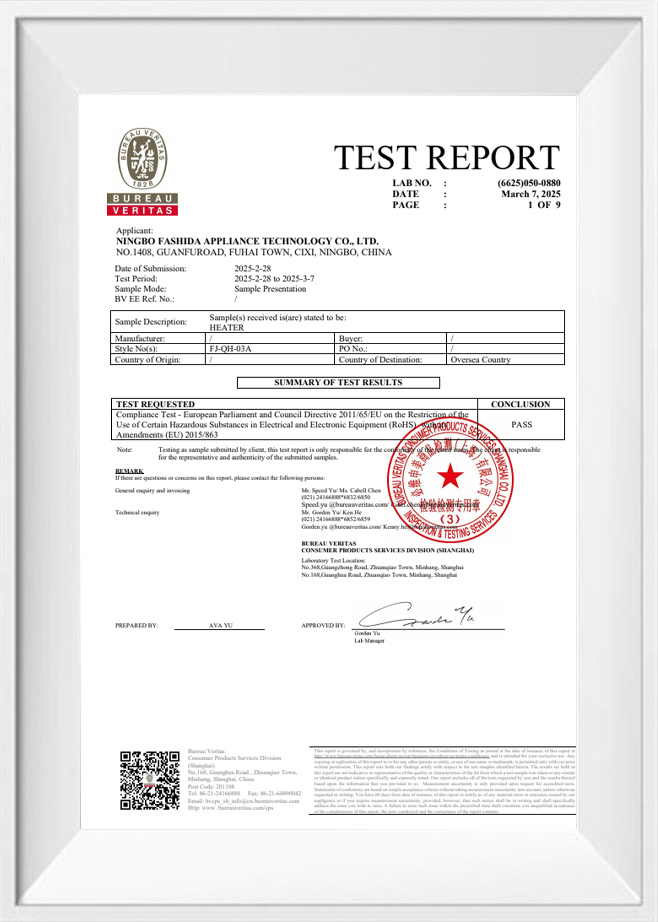
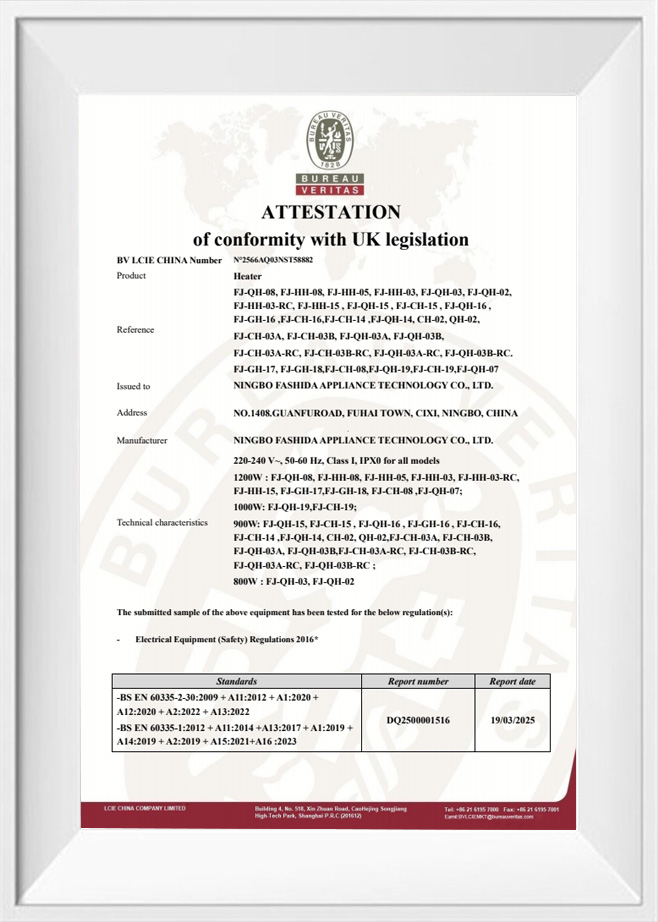
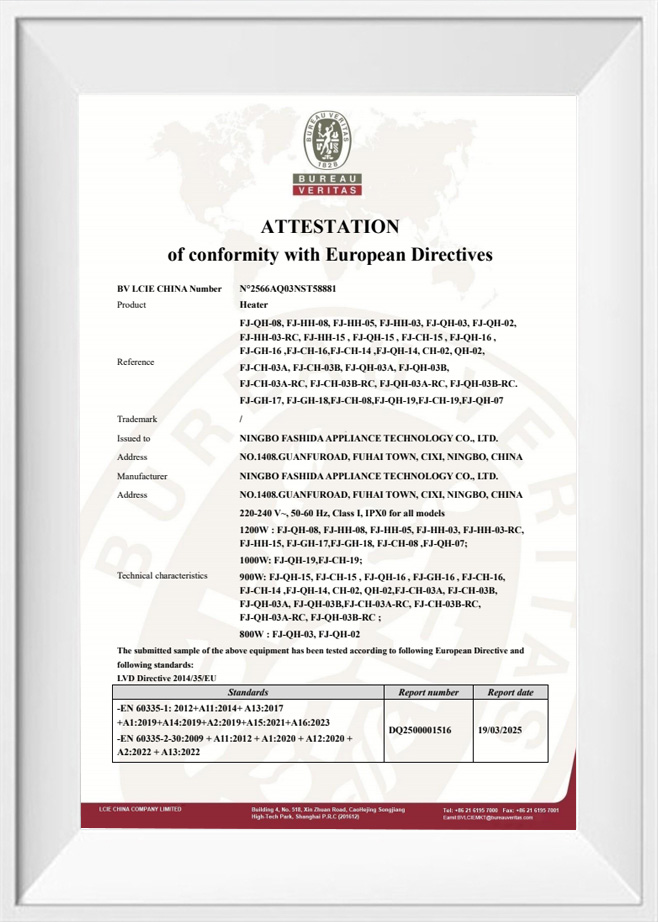
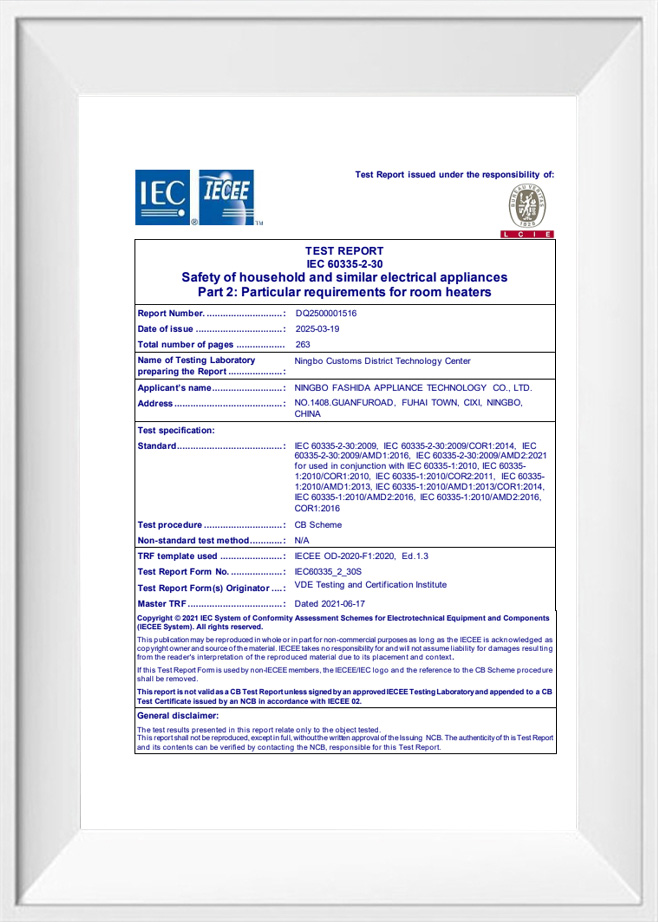
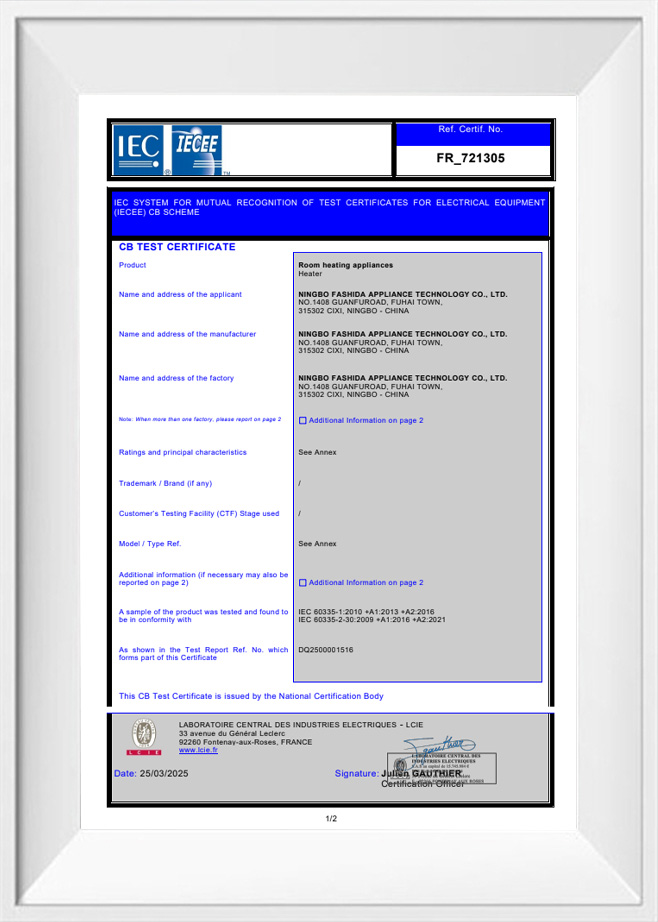
Certificate of Honor
News
  • Investing in a tea bar machine can be a game changer for your café or restaurant. With its ability to brew tea quickly, efficiently, and consistently, a tea bar machine helps elevate both the quality of your offerings and the experience for your customers. 1. Enhanced Tea Quality and Consistency Consistency is Key One...

    READ MORE
  • The Electric Fan Heater is a common portable heating device favored for its instant-on, instant-heat characteristic. A central question is: can a fan heater really warm an entire room effectively? The answer is yes, but its performance depends on several critical factors, while its operational efficiency stems from its...

    READ MORE
  • Introduction to Portable Industrial Air Coolers As temperatures rise, keeping large spaces cool and comfortable can become a challenge, especially in industrial and commercial settings. Traditional air conditioning systems may be too costly or impractical, while fans may lack the cooling power needed for larger areas. ...

    READ MORE
Air Fan & Cooling Industry knowledge

How Much Lower Does an Air Fan Cooling System Feel Compared to a Regular Electric Fan?

Overview of Cooling Perception Differences

Understanding the perceived cooling difference between an air fan cooling system and a regular electric fan involves examining airflow delivery, humidity control, and evaporative assistance. While both devices circulate air to enhance comfort, an air fan cooling system incorporates design elements that can create a more noticeable cooling sensation. For companies such as NINGBO FASHIDA APPLIANCE TECHNOLOGY CO., LTD., which specializes in fans and other small household appliances, product development often focuses on improving comfort through airflow optimization and energy-conscious engineering. As consumers increasingly seek energy-efficient cooling options, the distinction between these two fan categories becomes even more relevant.

Cooling Mechanism of Regular Electric Fans

A regular electric fan cools the user through air movement alone. By circulating ambient air, it accelerates sweat evaporation from the skin and creates a breeze that reduces perceived temperature. However, it does not alter actual air temperature or humidity levels. The effectiveness of a regular fan depends heavily on environmental conditions, such as room temperature, humidity, and distance from the user. Manufacturers like NINGBO FASHIDA APPLIANCE TECHNOLOGY CO., LTD. often enhance traditional fans with improved blade geometry, stable motors, and broader oscillation angles to help users experience steadier airflow that feels refreshing in moderate climates.

How Air Fan Cooling Systems Enhance Comfort

Air fan cooling systems, sometimes referred to as air-cooling fans or evaporative-assist fans, combine airflow with additional cooling features. These may include water-soaked pads, fine misting elements, or evaporative channels that allow moisture to absorb heat from the surrounding air. While they do not function as full evaporative coolers, they add a mild cooling effect that can make the air feel lower than the ambient temperature. This difference is especially noticeable in dry or semi-humid environments. With the growing consumer interest in hybrid cooling appliances, companies such as NINGBO FASHIDA APPLIANCE TECHNOLOGY CO., LTD. continue to develop models that offer increased comfort without significantly raising energy consumption.

Estimated Cooling Sensation Comparison

Although both devices provide comfort, the cooling sensation between them can vary. Air fan cooling systems may offer a perceived temperature reduction of approximately 2–6°C compared with the 0–2°C typical sensation provided by regular electric fans. These values describe perceived cooling rather than actual changes in room temperature. The enhanced sensation is mainly due to added moisture evaporation and steadier airflow diffusion. In practical use, this means users often feel more comfortable at slightly higher room temperatures when using an air-cooling fan. The table below summarizes key differences in perceived cooling:

Device Type Perceived Cooling Range Primary Cooling Method Environmental Sensitivity
Regular Electric Fan 0–2°C sensation drop Air movement only More affected by high humidity
Air Fan Cooling System 2–6°C sensation drop Airflow + evaporative assistance Best in dry or moderate humidity

Influence of Humidity and Airflow Design

Humidity plays an important role in determining how effective each fan type feels. In high-humidity environments, sweat evaporation slows down, reducing the cooling benefit provided by a standard electric fan. Air fan cooling systems may maintain a more comfortable sensation through directed evaporative processes, but they may also feel less effective if the humidity becomes excessive. To address these challenges, NINGBO FASHIDA APPLIANCE TECHNOLOGY CO., LTD. incorporates airflow engineering, adjustable fan speeds, and optimized air ducts into their designs to help achieve consistent performance under variable conditions. These design considerations allow users to tune their comfort based on environmental needs.

Energy Use and Practical Considerations

Both regular fans and air fan cooling systems are known for relatively low energy consumption compared with refrigerant-based cooling. Regular electric fans consume less energy because they rely solely on motor-driven airflow. Air fan cooling systems use slightly more power due to added pumps or water-circulation components but remain energy-conscious overall. Users seeking a balance between cooling sensation and energy usage may prefer air-cooling fan models in warm climates where moderate humidity allows evaporative enhancement. As a manufacturer focused on reliable and energy-minded appliances, NINGBO FASHIDA APPLIANCE TECHNOLOGY CO., LTD. designs products that help users maintain comfort without excessive power consumption.

Situational Comfort and User Experience

In everyday use, the difference between the two systems becomes most apparent during sustained operation. An air fan cooling system can make a room feel more comfortable during hot afternoons or in spaces with limited air circulation. A regular electric fan is effective for quick comfort or when users simply prefer a steady breeze without additional moisture. For households looking for a versatile cooling method, choosing the right fan depends on environment, personal cooling preferences, and typical room conditions. Manufacturers like NINGBO FASHIDA APPLIANCE TECHNOLOGY CO., LTD. offer a range of models across both categories to accommodate diverse user needs and climates.

What Are the Differences Between an Air Cooler and an Air Conditioner?

Overview of Air Coolers and Air Conditioners

Air coolers and air conditioners serve the common purpose of improving indoor comfort, yet they operate through different principles and deliver different cooling effects. As a leading manufacturer of small household appliances, NINGBO FASHIDA APPLIANCE TECHNOLOGY CO., LTD. produces fans and cooling devices based on practical user needs and reliable engineering standards. Air coolers typically rely on evaporative cooling, making them suitable for users seeking a lightweight and energy-saving solution. Air conditioners, however, use a refrigeration cycle requiring refrigerants and compressors to achieve a stronger cooling effect. Understanding the differences between the two helps consumers choose the most suitable device according to climate conditions, room size, energy consumption expectations, and specific usage scenarios.

Cooling Principles and Mechanisms

The core distinction between an air cooler and an air conditioner lies in their cooling mechanisms. Air coolers draw warm air through a wet cooling pad, where water evaporation absorbs heat and releases cooler air into the environment. This process does not use refrigerants or compressors, making the system simpler and more environmentally friendly. Air conditioners, on the other hand, operate using a closed refrigerant cycle consisting of a compressor, condenser, and evaporator. By circulating refrigerant and removing heat from the indoor space, they achieve a more significant cooling effect. The complexity of an air conditioner allows it to maintain consistent indoor temperature even in high-humidity or high-temperature environments, something air coolers are not designed to do. These differences directly influence performance, cost, and energy usage.

Cooling Performance Under Different Environmental Conditions

Air coolers perform best in dry climates because the evaporative process cools the air more effectively when humidity is low. When humidity increases, evaporation efficiency decreases, leading to reduced cooling output. Air conditioners perform consistently in both humid and dry environments because the refrigeration cycle does not rely on evaporation. This makes them suitable for regions with hot and humid summers. NINGBO FASHIDA APPLIANCE TECHNOLOGY CO., LTD. designs its air cooling appliances with an understanding of these environmental differences, ensuring that users receive appropriate cooling performance based on their climate. As a result, air coolers remain an energy-saving option for dry regions, while air conditioners remain the preferred choice for environments requiring stronger temperature control.

Energy Consumption and Operating Costs

Energy consumption is one of the most significant differences between air coolers and air conditioners. Air coolers typically consume less power because they use only a fan, pump, and simple control system. Air conditioners require compressors and more complex components, leading to higher electricity usage. This difference makes air coolers more economical for long-term operation. Air conditioners, however, offer more precise temperature control and stronger cooling performance, which may justify higher energy usage depending on user needs. Because NINGBO FASHIDA APPLIANCE TECHNOLOGY CO., LTD. focuses on energy-conscious appliance development, the company’s air cooling products are designed to balance airflow efficiency with controlled power consumption. The following table summarizes typical energy characteristics of both systems.

Comparison Item Air Cooler Air Conditioner
Typical Power Consumption Low (usually 60–150W) High (typically 600–2000W)
Operating Cost Lower daily usage cost Higher due to compressor operation
Energy Efficiency Depends on evaporation efficiency Depends on unit design and compressor efficiency

Installation Requirements and Portability

Air coolers require minimal installation and are usually designed as lightweight and portable devices. They can be moved easily between rooms and used in a variety of indoor and semi-outdoor environments. Water must be added regularly to maintain cooling performance, but no special wiring or mounting is needed. In contrast, air conditioners require installation of indoor and outdoor units, appropriate wiring, and stable mounting structures. Portable air conditioners exist, yet they still require exhaust ducts and stable placement. This difference in installation flexibility means that air coolers appeal to users who need mobility and convenience. For manufacturers such as NINGBO FASHIDA APPLIANCE TECHNOLOGY CO., LTD., developing portable air cooling units supports user demand for flexible home appliance solutions.

Air Quality and Humidity Effects

Air coolers increase indoor humidity because their cooling method relies on water evaporation. This can be beneficial in dry climates, helping to alleviate discomfort caused by low humidity. However, in humid environments, additional moisture in the air may reduce cooling effectiveness. Air conditioners remove moisture from the indoor environment as part of the refrigeration process, leading to drier indoor air. This dehumidification effect makes air conditioners more suitable for humid regions but may require supplemental humidification for users sensitive to dry air. NINGBO FASHIDA APPLIANCE TECHNOLOGY CO., LTD. designs cooling devices with airflow optimization to maintain indoor comfort across variable conditions, helping users select devices that align with their air quality needs.

Suitability for Different Usage Scenarios

The choice between an air cooler and an air conditioner largely depends on the intended usage scenario. Air coolers are suitable for open spaces, workshops, well-ventilated rooms, and areas where indirect cooling is needed. They are also appropriate for users looking for energy-saving solutions with minimal installation. Air conditioners provide stronger cooling capacity and precise temperature control, making them suitable for enclosed indoor environments, bedrooms, offices, and spaces requiring stable temperature management. NINGBO FASHIDA APPLIANCE TECHNOLOGY CO., LTD. supports diverse user needs by offering air cooling appliances that balance performance, cost, and convenience. This variety ensures that consumers can choose an appliance that aligns with both environmental conditions and daily usage requirements.

Long-Term Maintenance Differences

Air coolers generally require simple maintenance, such as cleaning the water tank, cooling pads, and air filters. Air conditioners require professional servicing, including refrigerant checks, filter cleaning, and inspection of the compressor and condenser. As maintenance intensity differs, users should consider long-term upkeep when choosing between the two systems. Manufacturers like NINGBO FASHIDA APPLIANCE TECHNOLOGY CO., LTD. design user-friendly cooling products to ensure that basic maintenance tasks can be completed readily, supporting long-term functionality and user convenience.