Home / Products / Electric Heater
Electric Heater OEM/ODM
Our company produces and exports heaters,
water dispensers, electric fans, air coolers and tea bar machines, and has become a trusted brand in the industry.

Small Home Electric Heater Manufacturers

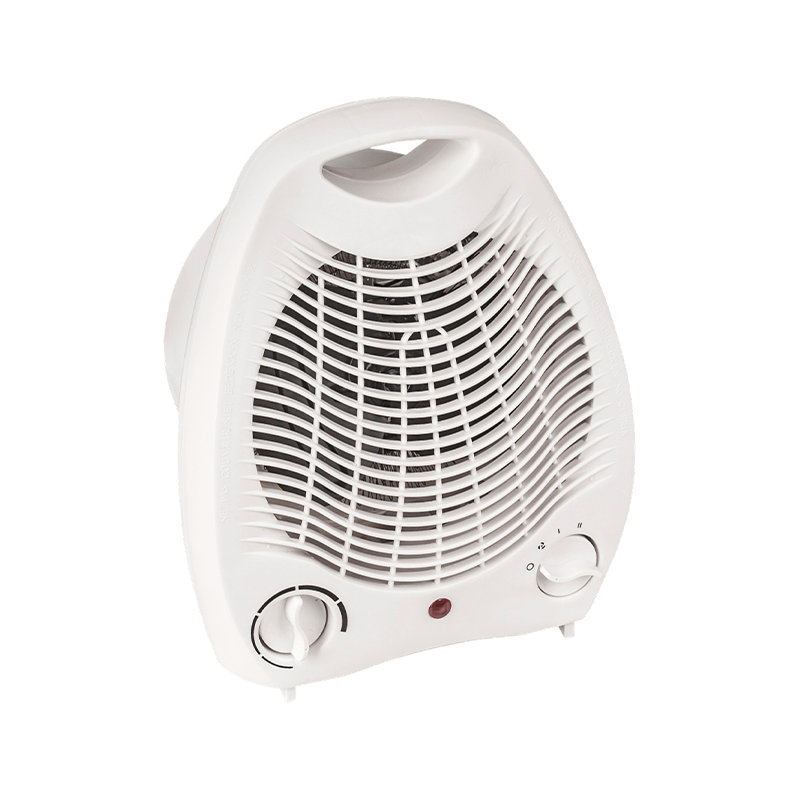
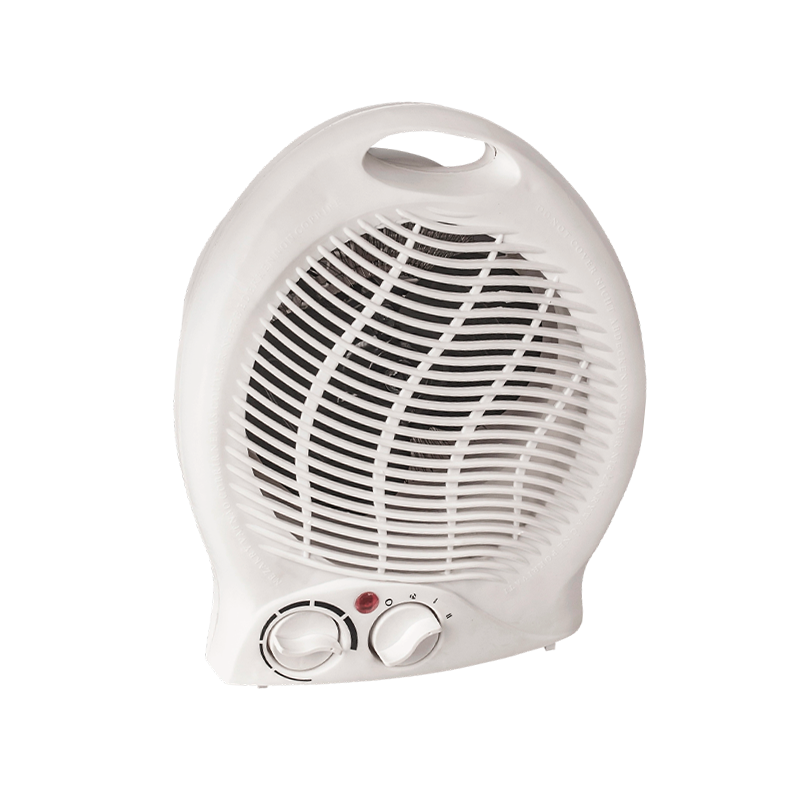
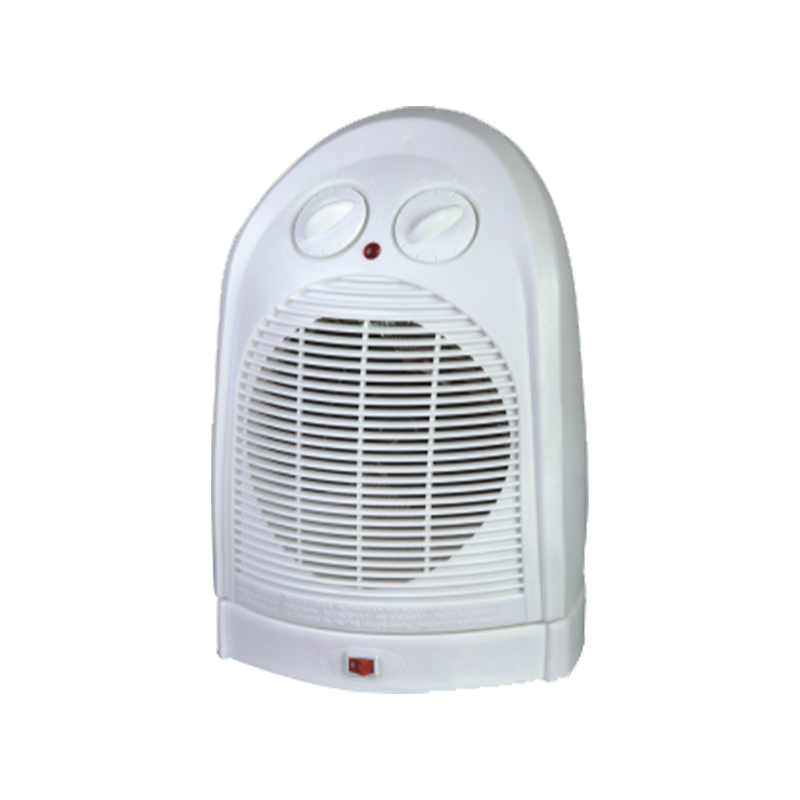
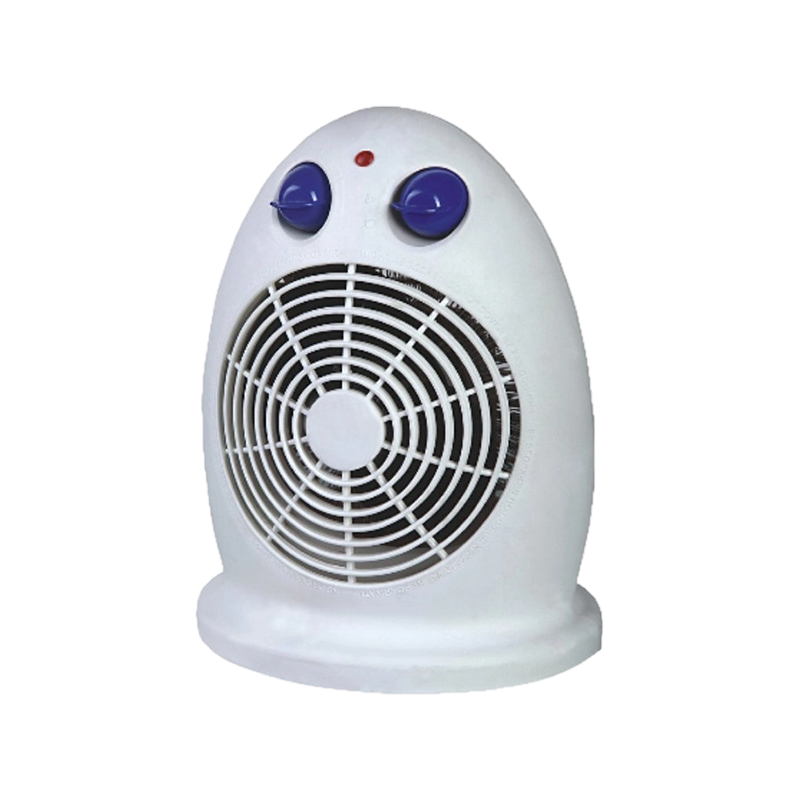
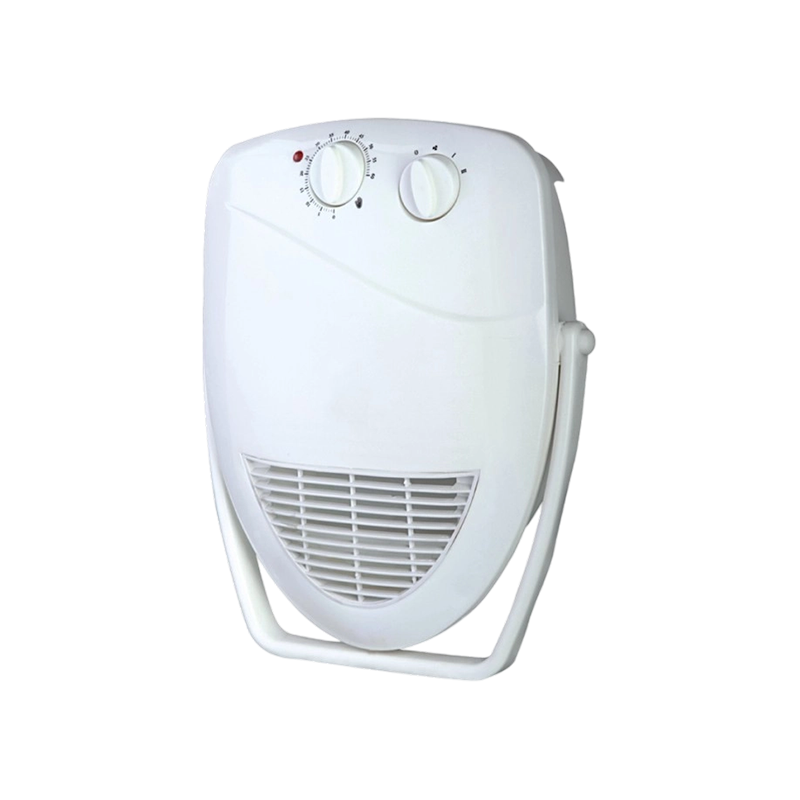
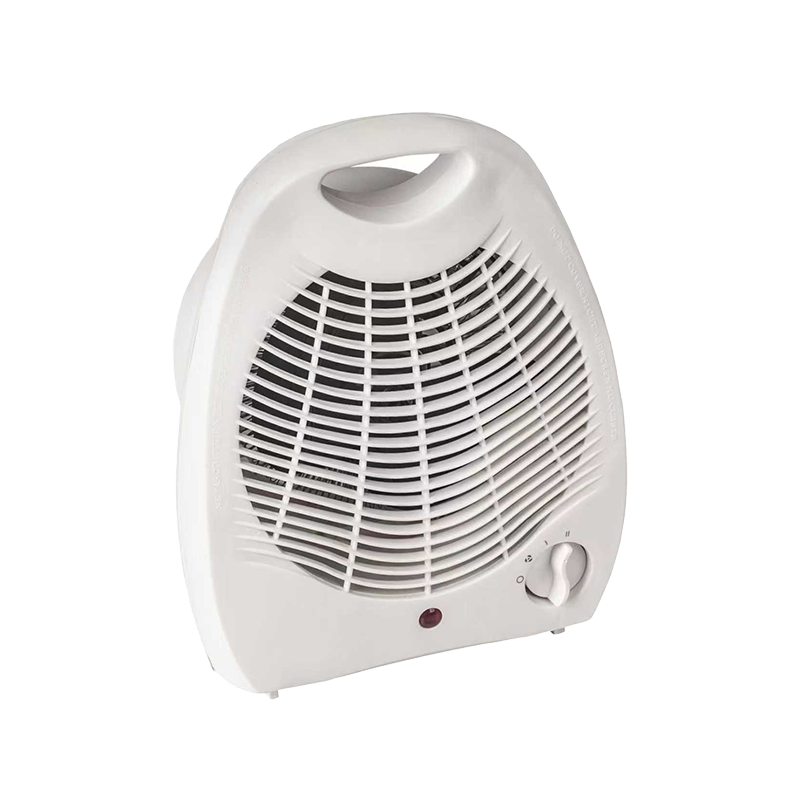
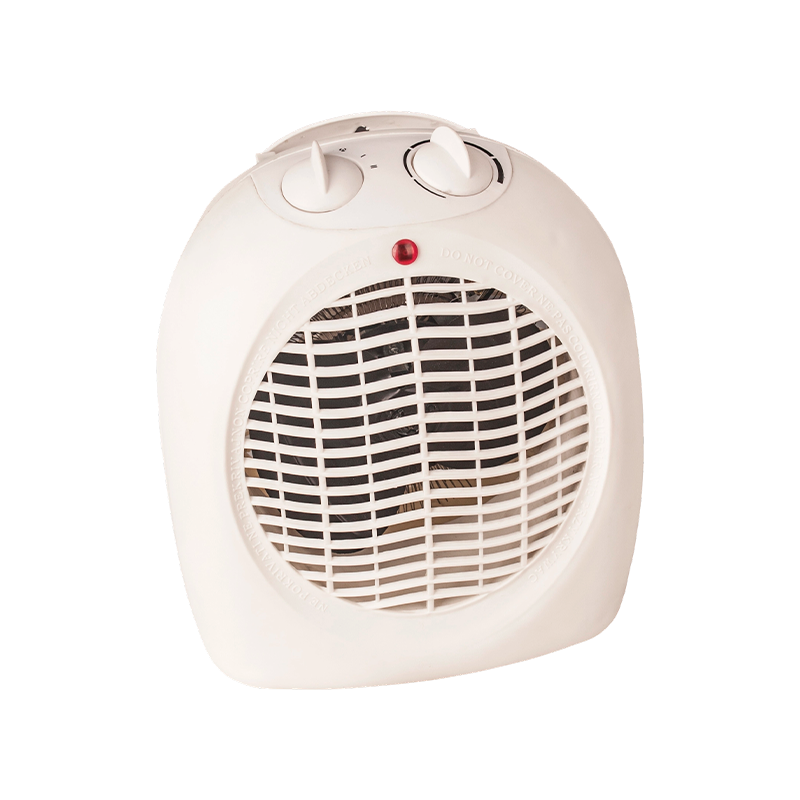
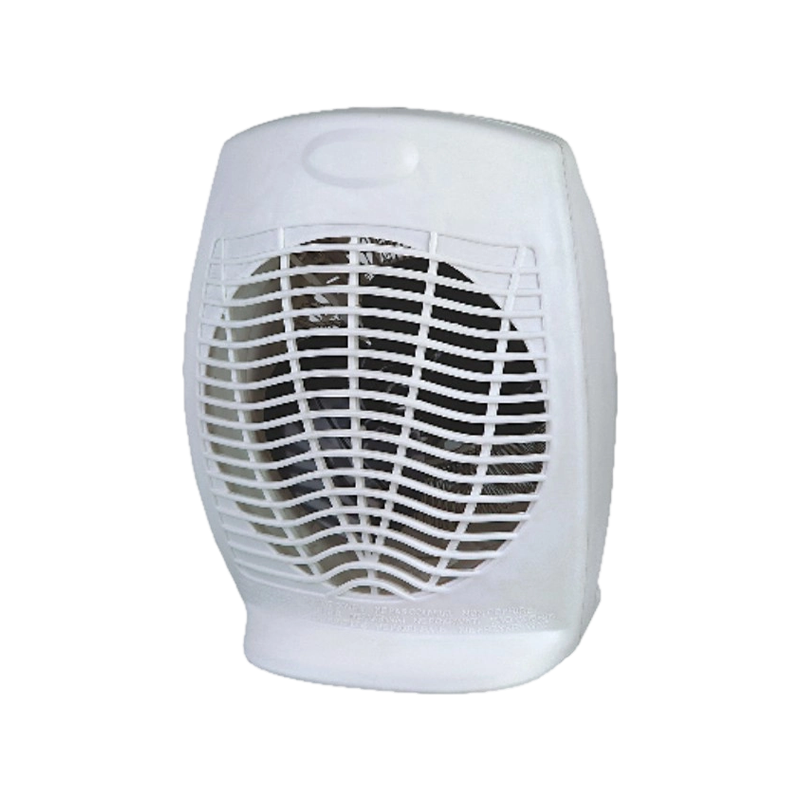
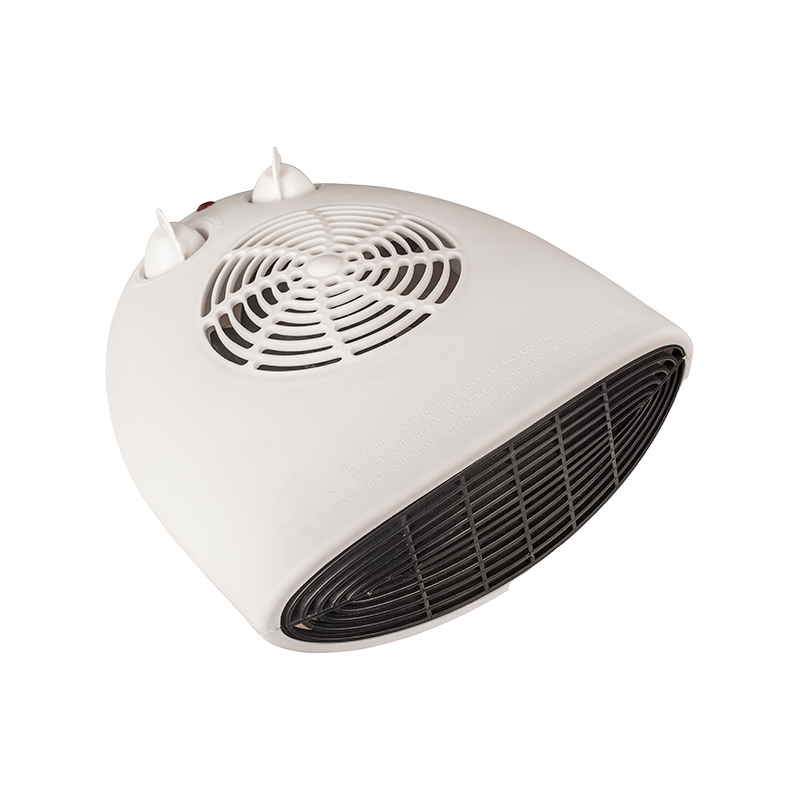
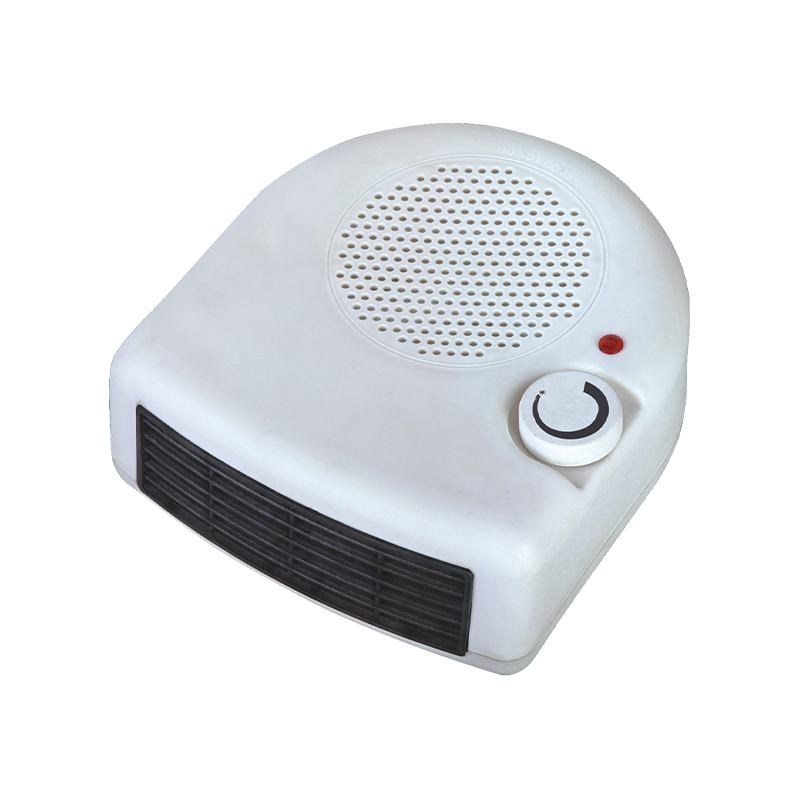
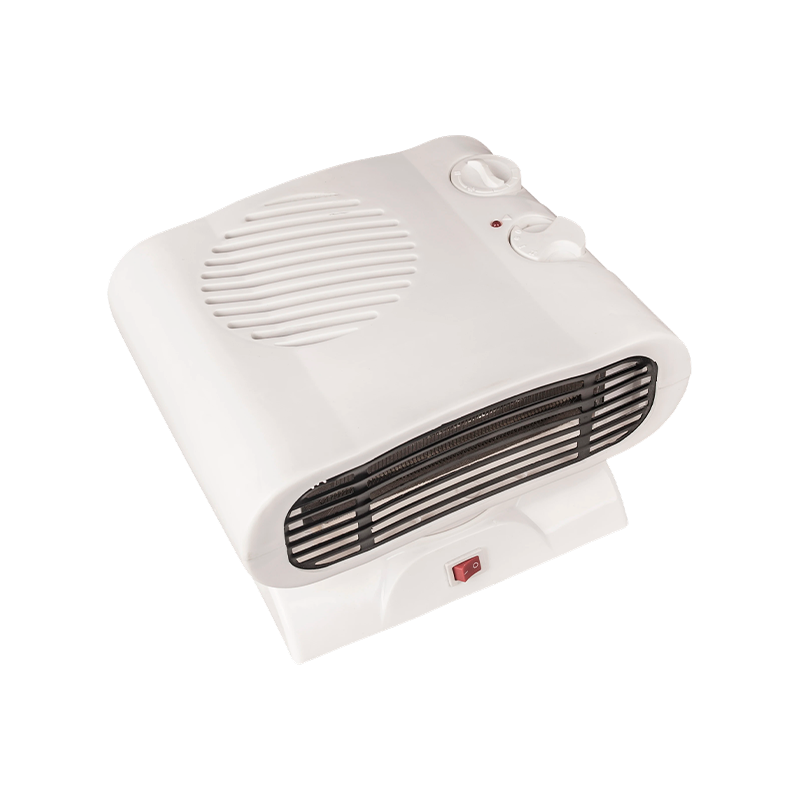
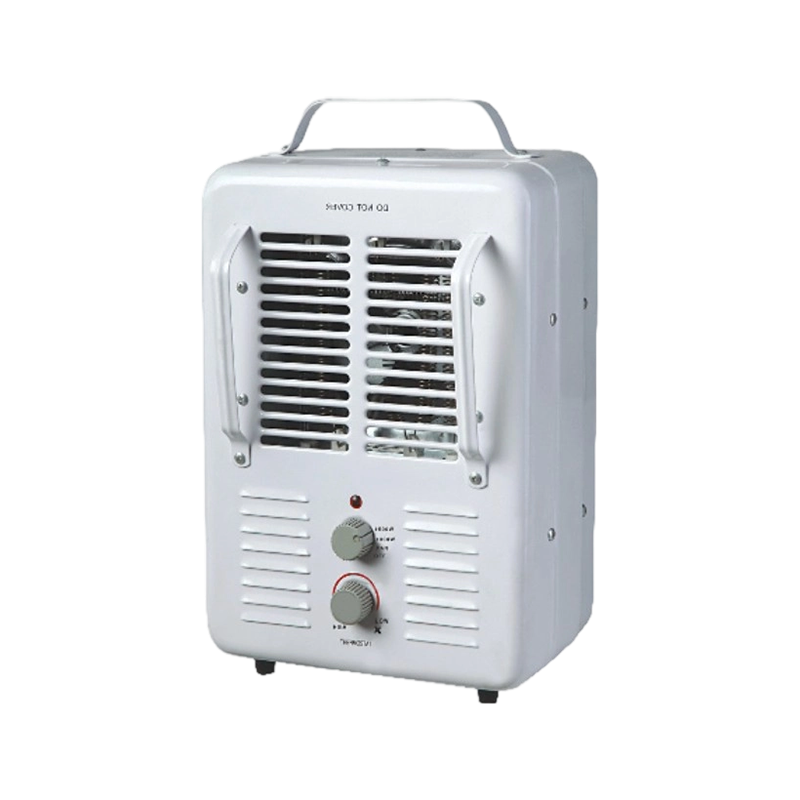
This electric heater can, when cold strikes, bring uniform and energy-efficient warmth to your space with its intelligent temperature control technology.This electric heater features two heating powers: 450W and 900W. It adopts a streamlined design, with a compact and exquisite appearance. Equipped with safety overheat protection and automatic tip-over protection functions, it eliminates worries about any accidents.
This electric heater features a cool-touch cabinet and high temperature resistance. Additionally, it is equipped with a handle, making it more convenient for you to place it in various corners of the room.

About Us
NINGBO FASHIDA APPLIANCE TECHNOLOGY CO., LTD.

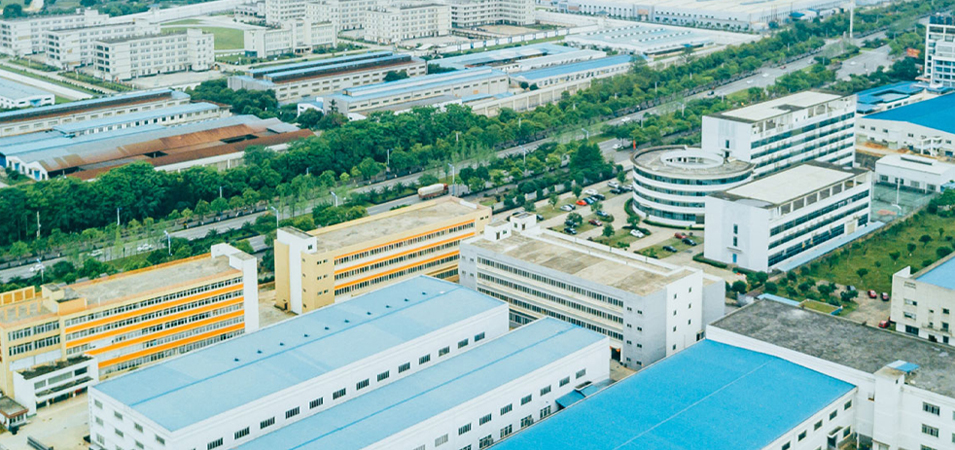
As China Small Home Electric Heater Manufacturers and Electric Heater Factory, Ningbo Fashida Appliance Technology Co., Ltd. is a leading manufacturer of small household appliances, with its headquarters located in Cixi, the home appliance capital of China. Since 2007, we have been committed to providing high-quality products such as heaters, water dispensers, fans, etc. Due to our strategic location and strong R&D capabilities, we have established a trusted reputation in the global market for reliability, innovation and efficiency. Influence: Ningbo Fashida Appliance Technology Co., Ltd. serves customers worldwide, delivering appliances that combine innovation, efficiency, and reliability. By leveraging our advanced manufacturing capabilities and rigorous quality control, we ensure our products meet the diverse needs of markets across the globe. We are proud to be a leader in the household appliance industry, providing exceptional products that enhance everyday living. Located in Cixi City, Ningbo, known as the hometown of small household appliance manufacturing, our company benefits from its strategic position near Hangzhou Bay, with easy access to major hubs such as Ningbo Port, Shanghai, and Hangzhou.

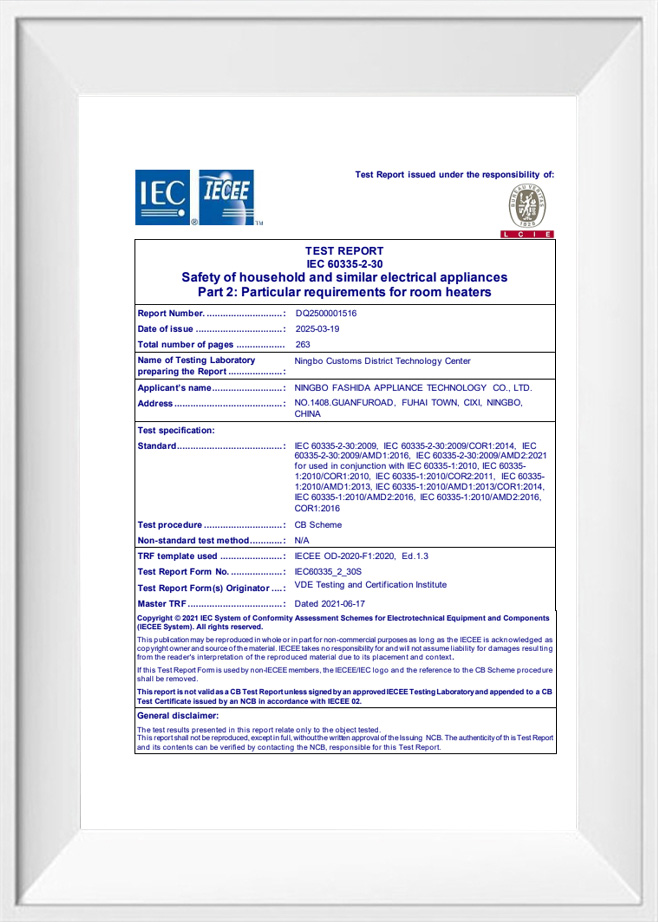
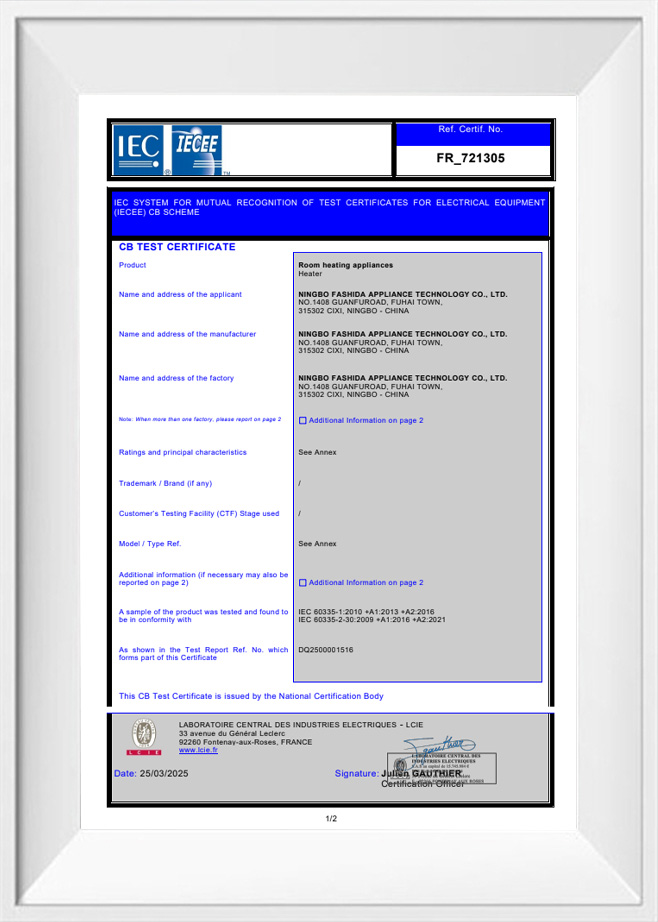
Certificate of Honor
News
  • Investing in a tea bar machine can be a game changer for your café or restaurant. With its ability to brew tea quickly, efficiently, and consistently, a tea bar machine helps elevate both the quality of your offerings and the experience for your customers. 1. Enhanced Tea Quality and Consistency Consistency is Key One...

    READ MORE
  • The Electric Fan Heater is a common portable heating device favored for its instant-on, instant-heat characteristic. A central question is: can a fan heater really warm an entire room effectively? The answer is yes, but its performance depends on several critical factors, while its operational efficiency stems from its...

    READ MORE
  • Introduction to Portable Industrial Air Coolers As temperatures rise, keeping large spaces cool and comfortable can become a challenge, especially in industrial and commercial settings. Traditional air conditioning systems may be too costly or impractical, while fans may lack the cooling power needed for larger areas. ...

    READ MORE
Electric Heater Industry knowledge

Overheating Risks and Automatic Power-Off Protection in Electric Heaters

General Heating Characteristics of Modern Electric Heaters

Modern electric heaters, including those manufactured by NINGBO FASHIDA APPLIANCE TECHNOLOGY CO., LTD., are designed to provide stable heating performance while maintaining a safe operating environment. Electric heaters rely on resistance heating elements that convert electrical energy into thermal energy. During prolonged use, the heating element, internal wiring, and surrounding components inevitably experience a temperature rise. This temperature increase is normal, yet it must be controlled to prevent deterioration of parts or hazards such as overheating. Manufacturers implement various engineering measures to ensure that, even under extended operation, the heater remains within a safe temperature range.

Why Electric Heaters May Potentially Overheat

An electric heater can potentially overheat due to several factors related to environment, use conditions, and mechanical issues. Restricted airflow is one of the most common causes. When dust accumulation or placement against walls obstructs ventilation, heat cannot dissipate efficiently, leading to a continuous rise in internal temperature. Additionally, improper voltage supply, deteriorated components, or prolonged operation at maximum heat output can also intensify the temperature. For manufacturers such as NINGBO FASHIDA APPLIANCE TECHNOLOGY CO., LTD., anticipating these scenarios is essential, and their heater designs include multiple safeguards to keep operations controlled even under challenging usage conditions.

Built-In Overheat Protection Mechanisms

To address the risks associated with temperature rise, modern electric heaters are equipped with overheat protection systems. These systems typically use temperature sensors, thermal switches, or temperature fuses that monitor the heater’s internal environment. When the temperature exceeds a predefined safety threshold, the overheat protection mechanism disconnects the electrical circuit, immediately stopping heat generation. NINGBO FASHIDA APPLIANCE TECHNOLOGY CO., LTD. incorporates such safety elements into its heaters, ensuring that heat production is automatically halted when abnormal conditions occur. This not only protects the user but also safeguards the heater’s internal components from heat-related damage.

Automatic Power-Off Protection and Safety Design

Automatic power-off protection is a critical feature widely adopted in electric heaters. This protection works in tandem with overheat sensors and tip-over switches. When a heater overheats or accidentally falls, the automatic power-off mechanism instantly interrupts the power supply. In the heaters produced by NINGBO FASHIDA APPLIANCE TECHNOLOGY CO., LTD., this feature is standard because it greatly improves the safety level during operation. By automatically cutting power during abnormal events, the heater prevents further rise in temperature, reduces fire risks, and extends the lifespan of electrical and mechanical components.

Thermal Sensing Components and Their Operation

Thermal sensing components inside electric heaters play a fundamental role in monitoring temperature and triggering protection. Thermal switches expand as heat rises and contract when temperature drops, mechanically opening or closing the circuit when necessary. Temperature fuses melt at a specific temperature, permanently disconnecting the heating element if a threshold is exceeded. Such components are carefully selected based on their accuracy, durability, and stability. NINGBO FASHIDA APPLIANCE TECHNOLOGY CO., LTD. applies sensors that withstand long-term use and maintain consistent performance, ensuring dependable protection during every heating cycle.

Benefits of Automatic Power-Off Protection

The automatic power-off protection provides multiple benefits in everyday use. It minimizes the risk of overheating damage, prevents accidental burns, and reduces potential fire hazards. Furthermore, it helps maintain the heater’s performance stability by preventing thermal stress on internal parts. Users can leave the heater operating for extended periods with enhanced confidence, knowing that if internal temperatures rise beyond safe levels, the system will automatically respond. This feature also promotes product durability because components face reduced thermal load over time.

Comparison of Heating Safety Features

The following table compares different heater safety features and their contributions to preventing overheating and ensuring stable operation:

Safety Feature Function Impact on Overheat Prevention
Thermal Switch Automatically opens circuit when temperature becomes excessive Stops heating immediately, preventing continuous temperature rise
Temperature Fuse Provides one-time cutoff when critical temperature limit is exceeded Prevents severe overheating and protects internal wiring
Tip-Over Switch Cuts power when heater falls or is at an unsafe angle Eliminates overheating caused by obstructed airflow
Ventilation Design Promotes natural heat dissipation through airflow channels Reduces heat buildup during long operation
Automatic Power-Off Circuit Responds to fault conditions and disconnects power Prevents continuous heating in abnormal states

Reliability of Safety Features in Long-Term Use

In long-term daily usage, the reliability of these protective mechanisms becomes essential. NINGBO FASHIDA APPLIANCE TECHNOLOGY CO., LTD. incorporates durable components and conducts rigorous safety testing on its heaters to ensure that sensors and switches remain responsive. High-quality thermal protection helps the heater endure repeated heating cycles, voltage fluctuations, and environmental changes. Overheat and automatic power-off protection prevent internal materials from deteriorating prematurely, enabling the heater to maintain consistent heating performance across long years of use.

Engineering Focus on Safe Temperature Control

Electric heater design emphasizes balancing heating efficiency with controlled thermal output. Engineers focus on heat distribution, surface temperature management, and airflow structure. Heaters from NINGBO FASHIDA APPLIANCE TECHNOLOGY CO., LTD. use optimized housing materials, strategically placed vents, and temperature-resistant components to maintain stability during operation. These design considerations work together with electronic protection mechanisms to create a safe, reliable heating system that resists overheating in a wide range of use scenarios.

Does the Electric Heater Have an Anti-Tipping Switch?

Overview of Anti-Tipping Safety in Modern Electric Heaters

Anti-tipping protection has become an important safety requirement in the design of modern electric heaters, especially as consumers increasingly expect appliances to provide dependable safeguards during daily use. For manufacturers such as NINGBO FASHIDA APPLIANCE TECHNOLOGY CO., LTD., which has been focusing on small household appliances since 2007, integrating protective mechanisms aligns with both global market expectations and internal quality standards. As a company based in Cixi, China’s appliance capital, FASHIDA leverages a strong R&D foundation to incorporate functional safety modules such as anti-tipping switches into its heater designs, allowing the products to fit various household environments. An anti-tipping system generally enables the heater to detect when it is accidentally knocked over and triggers power shutoff to minimize potential hazards. This mechanism is relevant for portable heaters used in living rooms, offices, or bedrooms, where stability can be affected by movement, pets, or improper placement.

How the Anti-Tipping Switch Functions Internally

An anti-tipping switch usually uses a gravity-based or tilt-detection structure that changes state when the heater angle exceeds a preset range. Most switches include a small mechanical or electronic sensor positioned at the base of the heater. When the heater remains upright, the sensor maintains contact or alignment to keep the circuit closed and the heater operating normally. Once the unit tilts past the safe angle, the contact is interrupted, the circuit opens, and the internal controller stops power supply immediately. NINGBO FASHIDA APPLIANCE TECHNOLOGY CO., LTD. integrates these mechanisms into heaters designed for home use, ensuring that the switch operates smoothly even during long-term use. The stability of the sensor contributes to overall functional reliability, particularly for compact heater models that may be placed on desks, floors, or other accessible surfaces. The design approach focuses on consistent detection capability and quick response without impacting normal operation.

Importance of Anti-Tipping Protection in Daily Use

Anti-tipping protection is important in environments where accidental movement or contact could destabilize the heater. Family households, small apartments, and workplaces may have active movement, children, or pets that increase the chance of items being knocked over. A heater without adequate fall protection may pose a safety concern due to continuous heating when overturned, especially if it contacts carpets or other materials. FASHIDA’s heater designs consider these scenarios and integrate safety modules that address the needs of various users. The inclusion of an anti-tipping switch reduces the likelihood of overheating, surface damage, or misuse. In addition, modern consumers often place heaters in places where the floor surface may not be completely level, such as carpets or mats. In these cases, the switch ensures that heat output stops whenever the heater becomes unstable. This functional protection aligns with global household appliance safety requirements.

Comparison of Heaters With and Without Anti-Tipping Switches

The following table summarizes the difference between models equipped with anti-tipping switches and those without. This comparison helps illustrate how the feature influences safety, product usability, and placement flexibility.

Feature Heaters With Anti-Tipping Switch Heaters Without Anti-Tipping Switch
Safety Response When Tilted Automatically cuts off power Continues operation unless manually switched off
Placement Flexibility Suitable for floors, desks, or areas with movement Requires stable, low-risk placement
Risk Level in Active Environments Reduced Higher
Typical Application Areas Homes with children or pets, offices, shared spaces Supervised locations only

Integration of the Anti-Tipping Switch in FASHIDA’s Heater Designs

NINGBO FASHIDA APPLIANCE TECHNOLOGY CO., LTD. applies a structured design and testing process to ensure that the anti-tipping switch performs accurately within different heater models. The company focuses on aligning switch performance with heating capacity, airflow patterns, and placement scenarios. For example, lightweight heaters require more precise tilt sensitivity, while heavier models need wider range calibration to accommodate natural movement during operation. FASHIDA’s R&D team evaluates these factors during prototype development and performs repeated tests to confirm reliability. As the company has long focused on producing heaters, water dispensers, and fans, its technical resources support consistent implementation of protective components. The anti-tipping switch is typically placed at the lower part of the unit to detect the earliest signs of imbalance, ensuring that the heater shuts off as quickly as possible when tipped. The integration work emphasizes user safety while maintaining ease of operation.

Long-Term Durability and Maintenance of the Anti-Tipping Switch

Another important aspect is the long-term durability of the switch. Mechanical switches can accumulate dust or experience wear, while electronic tilt sensors may require stable calibration. FASHIDA’s product development follows quality control standards that help maintain sensor reliability during prolonged daily use. Routine cleaning around the base of the heater can support smooth operation, and users only need minimal maintenance to ensure continued function. The design approach also considers heat exposure, structural vibrations, and daily movement, all of which can influence long-term component behavior. By selecting stable materials and integrating the switch into the heater’s broader control circuit, the company reduces the risk of malfunction. This contributes to overall product lifespan and consistent safety performance in various environments.