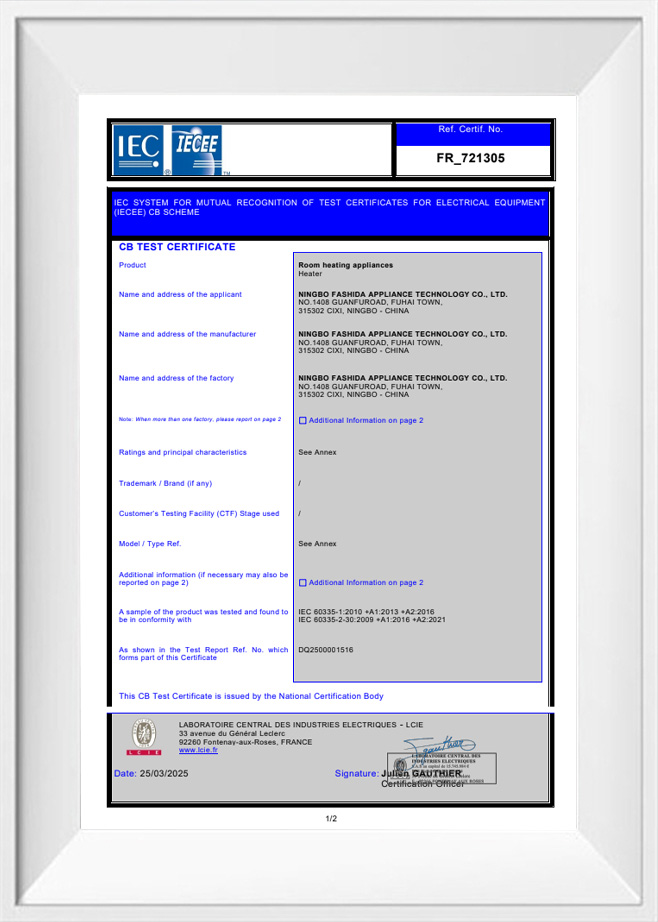
1. Electric Ceramic Heaters: A Modern Solution for Winter Warmth
1.1. Introduction: The Rise of Electric Heaters and Their Role in Home and Office Heating
With rising global demands for energy efficiency and indoor comfort, electric heaters have become indispensable devices for modern homes and office spaces. Traditional central heating systems often prove inflexible and uneconomical, especially in situations requiring localized, quick, or supplemental heat.
This context has spurred rapid development in the small household appliance industry. For instance, Ningbo Fashida Appliance Technology Co., Ltd., a leading manufacturer headquartered in Cixi—the home appliance capital of China—has been committed since 2007 to providing the global market with high-quality products, including heaters. Leveraging its strategic location and strong R&D capabilities, the company has established a trusted reputation for reliability, innovation, and efficiency globally. It is through the efforts of companies like this that portable electric heating devices play an increasingly important role in meeting the diverse heating needs of consumers.
1.2. What is an Electric Ceramic Heater? Core Definition and Historical Background
An Electric Ceramic Heater is a type of space heater that uses electricity to generate heat, featuring PTC (Positive Temperature Coefficient) ceramic elements as its core heating medium.
Unlike traditional coil heaters, ceramic heaters use special semiconductor ceramic materials as the heat-conducting medium. When current passes through these ceramic elements, they quickly heat up and transfer that heat to the surrounding air. This technology, which combines efficiency and safety, has quickly made it a mainstream choice in the market.
Manufacturers like Ningbo Fashida Appliance Technology Co., Ltd., benefit from their strategic position in Cixi, Ningbo—known as the hometown of small household appliance manufacturing—with easy access to major hubs like Ningbo Port, Shanghai, and Hangzhou. This location ensures that high-quality electric ceramic heater products can be swiftly delivered to customers worldwide.
1.3. Unveiling the Working Principle:
Understanding how an electric ceramic heater works helps explain why it stands out in the market.
- PTC (Positive Temperature Coefficient) Ceramic Element:
- PTC Characteristics: The unique property of this material is that its electrical resistance increases significantly as its temperature rises.
- Self-Limiting Temperature Control: When the ceramic plate temperature reaches a preset Curie point, its resistance sharply increases, thereby limiting the current flow. This achieves self-regulation of the temperature. This inherent feature provides a built-in safety mechanism, effectively preventing overheating even without an external mechanical thermostat.
- Heating Process: The electric ceramic heater uses a fan to draw in air, which then flows past the hot PTC ceramic plates. The air heats up rapidly and is blown out, achieving the heating effect.
- Convection Heating vs. Radiant Heating:
The Electric Ceramic Heater primarily uses convection heating to raise the ambient room temperature.
- Convection Heating: This method transfers heat by warming the air and circulating it within the room. Ceramic heaters use a fan to accelerate this process, allowing for rapid warm-up and uniform heating.
- Radiant Heating: This method transfers heat directly to objects or people via infrared radiation, similar to sunlight or traditional quartz heaters.
Therefore, the main characteristic of an electric ceramic heater is the ability to heat the air quickly, directionally, and uniformly. Ningbo Fashida Appliance Technology Co., Ltd. consistently integrates innovation and efficiency into its products, ensuring the heaters they manufacture provide excellent forced-air convection heating results.
1.4. Why Choose a Ceramic Heater? Preliminary Comparison with Other Heater Types (Including Heat Transfer Speed and Energy Consumption)
Among the many types of electric heaters, the ceramic heater has become the preferred space heater for many homes and offices due to its unique performance advantages. Here is a preliminary comparison between the electric ceramic heater and other common types:
| Parameter |
Electric Ceramic Heater |
Oil-Filled Radiator |
Quartz/Infrared Heater |
| Heat Generation Method |
PTC ceramic element self-heating via electricity |
Internal thermal oil heated by an electric heating tube |
Quartz tube/metal element generates infrared radiation |
| Heat Transfer Method |
Primarily Convection (fan-assisted) |
Radiant and Convection (slow) |
Primarily Radiant (heats objects directly) |
| Startup Speed |
Very Fast |
Very Slow (requires preheating the oil) |
Extremely Fast |
| Surface Temperature |
Low (Cool-Touch Housing) |
High temperature, risk of burns |
High temperature, risk of burns |
| Energy Efficiency |
High (due to self-limiting temperature and precise control) |
Average |
Depends on whether the heat is effectively absorbed |
| Noise Level |
Has fan noise |
Nearly silent |
Nearly silent |
Summary of Reasons for Choosing:
The Electric Ceramic Heater achieves an excellent balance between heating speed and safety. They provide warmth faster than oil-filled radiators while having a lower exterior casing temperature and built-in PTC self-limiting protection compared to quartz heaters. This makes them the ideal portable heater for users seeking rapid, safe, and flexible heating. This is also the main reason why Ningbo Fashida Appliance Technology Co., Ltd. insists on providing highly reliable electric ceramic heater models to global customers through advanced manufacturing and strict quality control.
2. Core Advantages of Electric Ceramic Heaters: High Efficiency and Safety
Electric ceramic heaters hold a significant place in the market mainly because they manage to deliver comfortable heat while maintaining high standards of efficiency and safety. The electric ceramic heater is an ideal space heater solution for users concerned with household safety and energy consumption.
2.1. Outstanding Energy Efficiency: In-Depth Look at the Energy-Saving Mechanism of the Electric Ceramic Heater
While all electric heaters are nearly 100% efficient at converting electricity to heat, the electric ceramic heater excels in utilization efficiency and heat management, making it a true energy efficient heater.
Fast Heat Startup:
As mentioned, PTC ceramic elements heat up very quickly. This means users do not have to wait long to feel the warmth, reducing the amount of time the unit runs in an inefficient preheating state. This rapid start and heating capability allows the electric ceramic heater to quickly reach the set temperature and enter a low-power maintenance mode.
Automatic Temperature Regulation and Precise Control:
The primary energy-saving advantage of the electric ceramic heater lies in its intelligent heat management system, where the thermostat plays a crucial role.
- PTC Self-Limiting: The inherent temperature-limiting nature of the ceramic element prevents it from heating indefinitely.
- Precise Thermostat Control: Once the room temperature reaches the value set by the user via the thermostat, the heater automatically reduces its power output or stops heating entirely, consuming minimal electricity to maintain the set temperature or standby. This prevents the heat waste and room overheating often associated with the continuous high-power running of traditional coil heaters.
How to Achieve Energy Savings with a Ceramic Heater: Comparative Analysis with Other Heating Methods
Energy savings are achieved not through a higher heat conversion rate, but by consuming less power to achieve the same level of comfort.
| Feature |
Electric Ceramic Heater |
Central Heating System (Gas/Electric) |
| Heating Target |
Zonal/Personal (Portable Heater) |
Entire house/area |
| Consumption Pattern |
Intermittent high power + sustained low power maintenance |
Continuous high power operation |
| Response Speed |
Quick (within minutes) |
Slow (hours to warm up) |
| Wasted Heat |
Low, heats only necessary space |
High, heats a large amount of unused space |
| Best Use |
Supplemental, spot heating, e.g., heater for office |
Year-round, whole-house temperature maintenance |
For manufacturers like Ningbo Fashida Appliance Technology Co., Ltd., dedicated to delivering efficient products, they design their products with optimized wattage and refined thermostat algorithms. This ensures their electric ceramic heater models minimize unnecessary energy consumption while meeting user heating requirements.
2.2. Unrivaled Safety Features: Why the safe heater Label Belongs to Ceramic
Safety is another core selling point of the electric ceramic heater. Due to their design and material properties, ceramic heaters are often considered one of the safest space heater options available.
Tip-over Protection: Ensuring Safety in Case of Accidents
This is a fundamental feature present in nearly all modern electric ceramic heater models.
- Mechanism: A sensitive mechanical or electronic switch is installed in the base or interior. If the heater is accidentally knocked over or tilted beyond a specific angle (usually 45 degrees or less), the switch instantly triggers to cut off the power supply.
- Importance: For households (heater for home) with children or pets, this function is critical, effectively preventing fire hazards caused by tipping.
Overheat Protection: Dual Protection from the PTC Element
Overheat protection is a cornerstone of ceramic heater safety, combining the PTC’s self-limiting nature with additional safety mechanisms.
- Thermal Fuse/Switch: In addition to the PTC's inherent limits, the heater includes thermal switches or thermal fuses. If the internal temperature (e.g., around the fan motor or ceramic element) exceeds a safety threshold due to poor ventilation (like being covered by clothing) or an internal fault, this device permanently (fuse) or temporarily (switch) cuts the power.
- Reliability: Professional manufacturers like Ningbo Fashida Appliance Technology Co., Ltd. conduct strict quality control and testing on the overheat protection system during production to ensure their products reliably protect user safety, even in the worst-case scenario.
Cool-Touch Housing: Low-Contact Temperature Casing
The outer casing of the electric ceramic heater is typically made of heat-resistant plastic or flame-retardant material with good internal insulation. This means that even when the heater's interior is very hot, the exterior contact surfaces remain relatively cool, known as Cool-Touch Housing. This significantly reduces the risk of accidental burns, especially for curious children.
2.3. Extreme Portability and Practicality:
The Electric Ceramic Heater embodies the philosophy of modern small appliances: user-friendly and flexible.
- Lightweight Design: They are generally lighter than oil-filled radiators or large convection heaters. Even larger tower models often come with handles, allowing users to easily move them as true portable heater units between bedrooms, living rooms, or offices.
- Compact designs for small spaces: They have a small footprint, and many models are designed as a small heater ideal for placement under a desk (as a heater for office) or in a cramped bathroom corner.
Electric Ceramic Heater in Multi-Scene Applications for Home and Office
Whether used as a supplement to a home's central heating system or to provide localized heat in an unheated basement or garage, the flexibility of the electric ceramic heater makes it a versatile heating choice. They can quickly deliver comfort to a personal workspace, which is the core value that innovation-driven companies like Ningbo Fashida Appliance Technology Co., Ltd. aim to deliver to global customers—everyday appliances combining innovation, efficiency, and reliability.
3. Main Types and Suitable Scenarios for Electric Ceramic Heaters
Electric Ceramic Heater models are not monolithic; manufacturers design various types based on different usage needs and room sizes. Understanding these differences helps consumers choose the best portable heater for their requirements.
3.1. Personal Ceramic Heaters
Personal heaters, often called “desktop heaters” or small heater units, are designed specifically for close-range, localized heating.
- Features:
- Low Wattage: Typically ranging from 300W to 750W, resulting in lower energy consumption.
- Ultra-Compact Design: Very small and easily portable, without taking up valuable desk or floor space.
- Directional Heating: Heat is concentrated in a small area, providing quick and direct warmth to an individual.
- Suitable Scenarios:
- Best for individual use: Ideal for personal warmth.
- Ideal for desks and small spaces: Perfect for under-desk use, dorm rooms, or for providing comfort to an individual in a large space (heater for office).
Ningbo Fashida Appliance Technology Co., Ltd. in product development understands the consumer need for personalized comfort. Through continuous innovation, the compact electric ceramic heater models they produce are able to provide personalized warmth efficiently and reliably.
3.2. Tower Ceramic Heaters
The tower design is one of the most popular electric ceramic heater types on the market, balancing powerful heating capacity with a space-saving profile.
- Features:
- High Power Output: Most tower models can reach 1500W, generating ample heat.
- Vertical Design: Has a small footprint but sufficient height to push hot air higher into the room more effectively, accelerating air circulation.
- Oscillation Function: Most tower heaters feature an automatic swivel (oscillation) function, which helps distribute heat evenly over a wider area.
- Suitable Scenarios:
- Larger coverage area: The preferred choice for heating medium to large rooms, such as living rooms, master bedrooms, or basements.
- Suitable for Living rooms and bedrooms: Their design is often modern and integrates easily into home decor.
These products reflect the manufacturer's integration of efficiency and aesthetics. Companies like Ningbo Fashida Appliance Technology Co., Ltd., with their strong R&D capabilities, utilize advanced manufacturing to ensure that tower ceramic heater models provide powerful heat while retaining core safety features like tip-over and overheat protection.
3.3. Wall-Mounted Ceramic Heaters
Wall-mounted heaters offer a permanent, floor-space-saving solution, especially suitable for areas requiring high space utilization.
- Features:
- Space-saving design: Permanently installed on the wall, completely freeing up floor space.
- Constant Temperature Control: Many wall-mounted models are designed to provide stable background heating, usually controlled by a precise thermostat.
- High Safety: Since they are installed higher up, they are typically out of reach of children and pets, reducing contact risk.
- Often equipped with remote control and timer functions.
- Suitable Scenarios:
- Great for bathrooms and hallways: The ideal choice for bathrooms (must be splash-proof certified), hallways, kitchens, or any area requiring quick, non-obtrusive auxiliary heating.
Wall-mounted electric ceramic heater models demand higher standards of durability and installation simplicity from the manufacturer. Ningbo Fashida Appliance Technology Co., Ltd. leverages its strategic advantage in Cixi (the small appliance manufacturing hub) to integrate supply chain and manufacturing processes, ensuring these demanding products meet the diverse needs of the global market in terms of reliability, innovation, and efficiency.
Summary Comparison Table: Key Features of Different Electric Ceramic Heater Types
To aid selection, the table below summarizes the key differences between the three types of electric ceramic heater:
| Type |
Personal |
Tower |
Wall-Mounted |
| Typical Wattage |
300W - 750W |
1000W - 1500W |
1000W - 1500W |
| Primary Use |
Localized, personal heating |
Room area heating |
Supplemental, permanent installation |
| Coverage Area |
Very small (personal space) |
Medium to large area |
Medium, directional |
| Portability |
Excellent (Portable Heater) |
Good (with handle) |
None (fixed installation) |
| Space Footprint |
Minimal (desktop/floor) |
Vertical, small footprint |
Zero floor space occupied |
| Key Features |
Quick personal heat |
Oscillation, thermostat, timer |
Remote control, timer, constant temperature |
4. Buying Guide and Key Considerations for Electric Ceramic Heaters
Purchasing the right electric ceramic heater requires careful consideration of various technical parameters and functional options. Making an informed choice ensures effective heating while maximizing energy efficiency and safety.
4.1. Determining the Right Size and Power (Room Size and Power)
The primary goal when selecting a heater is to ensure its power (usually measured in wattage) matches the room size. Insufficient power leads to inadequate heating, while excessive power can cause waste and frequent cycling, reducing efficiency.
How to Determine the Right Heater Size Based on Room Size: The Importance of BTU and Wattage
When selecting a space heater, two key entities need to be understood:
- Wattage (W): Represents the rate of electricity consumption and potential heat output. A standard rule of thumb is that approximately 10 watts of heating power are needed for every 1 square foot (ft^2) of space.
- BTU (British Thermal Unit): A measure of heat output. 1 Watt is roughly equal to 3.41 BTU.
To simplify calculations, we mainly focus on wattage:
| Room Size (Approx.) |
Room Area (sq ft) |
Recommended Wattage (W) |
Recommended BTU/Hour |
| Small Room (e.g., office) |
100 sq ft |
1000W |
3,412 BTU |
| Medium Room (e.g., bedroom) |
150 sq ft |
1500W |
5,118 BTU |
| Large Room (e.g., living room) |
200 sq ft |
2000W (may require high-power model or multiple units) |
6,824 BTU |
Calculation Principle: Ensure the electric ceramic heater's wattage covers your room's area, especially if it is the primary heat source. If it is only for supplementary heating, a slightly lower power small heater may suffice.
4.2. Essential and Advanced Feature Analysis (Features)
Modern electric ceramic heater models integrate various features to enhance user experience and efficiency.
- Adjustable Thermostat: This is key to achieving an energy efficient heater. It allows users to set a precise temperature; once reached, the heater automatically stops heating and restarts when the temperature drops, thereby saving energy.
- Timer function: Allows users to set the duration of the heater's operation, such as automatically turning off before sleep or turning on before waking up. This enhances convenience and safety.
- Remote control: Especially important for tower or wall-mounted models, allowing users to adjust temperature, oscillation, or the timer from a distance.
- Oscillation function: Helps distribute heat evenly throughout the room.
- Multiple Heating Modes: Such as high/low power settings, or Eco Mode (energy-saving mode), enabling users to adjust wattage output according to actual needs.
4.3. Understanding Safety Certifications (Safety Certifications)
Safety is paramount when purchasing any electrical appliance, and especially for heating devices.
The Importance of UL or ETL Listings: Ensuring Compliance with Safety Standards
Consumers must choose electric ceramic heater models that have been tested and certified by recognized third-party authorities.
- UL listing (Underwriters Laboratories certification): Certifies that the product meets specific safety standards established or accepted by UL.
- ETL listing (Edison Testing Laboratories certification): Also a common safety certification mark in North America, indicating that the product complies with established safety and performance standards.
- Importance: Heaters bearing these marks indicate that their tip-over protection, overheat protection, and internal electrical component safety have all been independently verified.
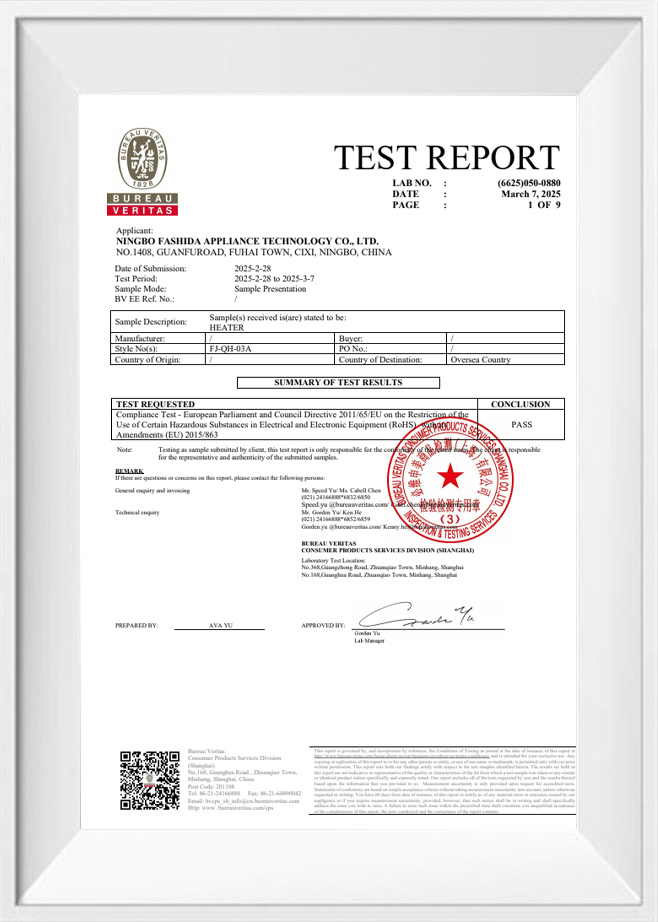
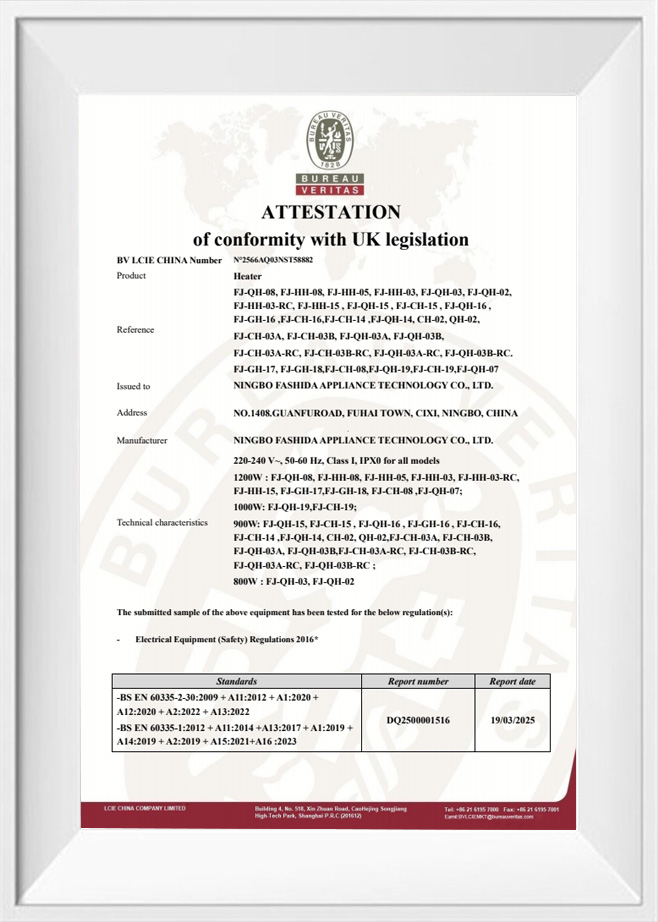
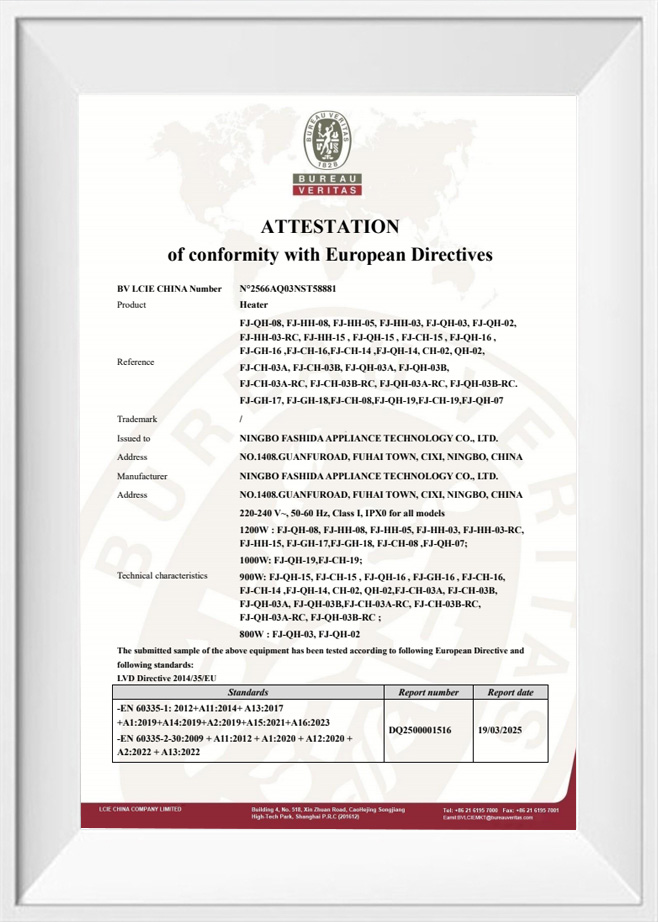
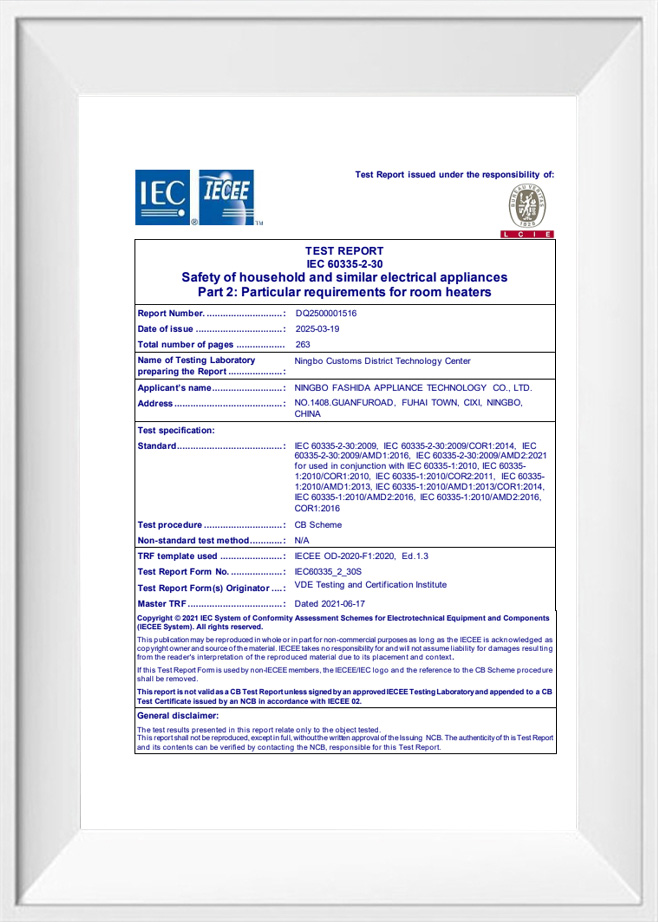
Manufacturers like Ningbo Fashida Appliance Technology Co., Ltd., which caters to the global market, strictly adhere to international safety standards from the design stage. Through rigorous quality control and testing processes, they ensure their heater products possess reliable safety certifications, providing customers with a genuinely safe heater.
4.4. Price, Durability, and Warranty
When purchasing an electric ceramic heater, one should not solely focus on the lowest price.
- Balancing Cost with Features and Quality: Higher-priced models typically come equipped with more precise thermostat controls, more durable motors, and advanced safety features.
- Understanding warranty terms and conditions: A good warranty reflects the manufacturer's confidence in its product quality. Most quality heaters offer at least one year or more of warranty coverage. Consumers should understand the scope of the warranty (e.g., whether it covers labor or shipping costs).
Ningbo Fashida Appliance Technology Co., Ltd. consistently places reliability, innovation, and efficiency at the core of the appliance products it provides to global customers. The company's robust manufacturing base in Cixi, combined with its investment in R&D, ensures its electric ceramic heater models strike a balance between price and quality, delivering long-term value and peace of mind to users.
5. Tips for Safe and Efficient Use and Maintenance
Owning a quality electric ceramic heater is only the first step. Proper usage and regular maintenance are crucial for ensuring maximum efficiency, extending the lifespan, and maintaining safety.
5.1. Tips for Safe and Efficient Placement (Placement Tips)
The placement of the heater directly affects both its efficiency and safety.
Optimal Locations for Heater Placement: Avoiding Flammable Materials
- Safe Distance: Maintain a minimum distance of at least 3 feet (about 1 meter) between the electric ceramic heater and all flammable materials (such as curtains, furniture, paper, clothing, and bedding). Even a ceramic heater with Cool-Touch Housing can emit hot air capable of igniting light objects at close range.
- Stable Surface: Place the portable heater on a hard, stable, and level surface. This ensures the heater operates correctly and guarantees that its tip-over protection function reliably activates in the event of an accident.
- Avoid Moisture: Unless the product is explicitly certified for damp environments (like certain wall-mounted models), avoid placing the heater near sinks or in bathrooms to prevent electrocution hazards.
- Clear Airflow: The placement must ensure that the heater's air inlet and outlet are completely unobstructed. This is vital for maintaining efficiency and preventing the overheat protection from triggering frequently.
Important Note: Never place the electric ceramic heater high up or on furniture, where it could fall. Also, avoid using high-power (wattage) heaters on extension cords; they should be plugged directly into a wall socket.
5.2. Maintenance Tips for Daily Care and Extending Lifespan
Simple, regular maintenance can significantly extend the lifespan of an electric ceramic heater and maintain its performance as an energy efficient heater.
Cleaning and Storage Guidelines for Electric Ceramic Heaters
- Preparation Before Cleaning: Before performing any cleaning or maintenance, always unplug the power cord and wait for the heater to cool down completely.
- Dust Removal: Electric ceramic heater models rely on a fan and air convection, making them prone to drawing in dust and lint from the air. Accumulated dust obstructs airflow, reduces heat output, and can trigger overheating.
- Use a vacuum cleaner brush attachment or compressed air to gently clean dust from the intake grille and outlet.
- For models with removable filters, these should be periodically taken out, washed, and thoroughly dried before reinstallation.
- Casing Wipe Down: Use a soft, slightly damp cloth to wipe the exterior casing; never allow water to enter the heater's interior.
- Long-Term Storage: During the off-season, clean the portable heater thoroughly, and store it in its original packaging or a dust bag in a dry, cool place. When storing, avoid placing heavy objects on the heater to prevent damage to the internal PTC ceramic elements or other components.
Ningbo Fashida Appliance Technology Co., Ltd. consistently incorporates reliability into its household appliance products. Proper daily maintenance, combined with the company's high quality standards, helps ensure your electric ceramic heater maintains efficient and safe operation for a long time.
5.3. Strategies for Reducing Operating Costs:
To maximize the economic benefits of an electric ceramic heater, users should follow these strategies:
- Combining Thermostat and Timer: Fully utilize the heater's thermostat function by setting it to the lowest comfortable temperature (e.g., 68°F or 20°C). Combine this with the timer function to ensure the heater only runs when the space is occupied.
- Zonal Heating: Only heat the room or area you are using, and close doors to unheated areas to confine the heat to the target zone, maximizing the advantage of a space heater.
- Sealing Leaks: Ensure the room's doors and windows are well-sealed. If heat leaks through gaps, the efficiency of any heater for home will be severely compromised.
- Using Low Power Settings: Many electric ceramic heater models feature multiple wattage settings, such as 750W and 1500W. Once the room reaches the target temperature, switch to the lower power setting, which is often sufficient to maintain the temperature while significantly reducing electricity consumption.
6. Common Problems and Troubleshooting
Even the most reliable electric ceramic heater may encounter minor issues during use. This section provides simple troubleshooting steps to help users quickly identify and resolve problems.
Troubleshooting Common Electric Ceramic Heater Issues
Heater Not Turning On
| Potential Cause |
Troubleshooting Steps |
| Power not connected |
Check that the power cord is firmly plugged into the wall socket. Avoid using low-power or old extension cords; plug directly into the wall. |
| Tip-over protection triggered |
Check that the heater is placed on a flat, level surface. If it was recently moved or tilted, the built-in tip-over protection device may be activated. Place it upright and try restarting. |
| Overheat protection triggered |
Overheat protection may have cut power due to excessively high internal temperature. Unplug the unit and wait at least 10–20 minutes for it to cool down completely. Also, check the inlet and outlet vents for any obstructions. |
| Main fuse blown |
Some models have a small internal fuse. If the previous steps fail, there might be internal electrical component damage, requiring professional repair or contact with the manufacturer's service center. |
Heater Not Producing Enough Heat
| Potential Cause |
Troubleshooting Steps |
| Wattage mismatch |
Check if the wattage of your electric ceramic heater is appropriate for the room size (refer to Section 4.1). If the room is too large, even if the heater is working normally, it cannot effectively raise the room temperature. |
| Thermostat set too low |
Check the thermostat setting, ensuring the set temperature is higher than the current room temperature. If the heater has low power/high power modes, switch to the higher power setting. |
| Airflow blocked |
Check the inlet and outlet vents for dust or obstructions. Dust-covered PTC ceramic elements and blocked vents severely impact heat output. Refer to Section 5.2 for cleaning instructions. |
| Poor room insulation |
Are there significant drafts in the room (gaps in doors/windows, open doors)? Heat loss due to poor insulation will make it difficult for any space heater to maintain temperature. |
Unusual Noises
| Potential Cause |
Troubleshooting Steps |
| Normal noise |
PTC ceramic elements will expand and contract slightly as they heat and cool, which may produce a minor "clicking" sound. This is a normal physical phenomenon. |
| Fan noise |
Check if the fan blades are obstructed by dust, hair, or foreign objects. Unplug the unit and check; clean if necessary. |
| Loose parts |
If there is a constant rubbing or rattling noise, internal components (such as the motor or casing screws) might be loose. This requires professional inspection. |
Quality and Reliability: The Manufacturer's Commitment
Many faults encountered by users often stem from design flaws or low-quality components. Leading manufacturers like Ningbo Fashida Appliance Technology Co., Ltd. fully appreciate the importance of reliability for a heater for home.
Committed to providing high-quality products since 2007, the company ensures its electric ceramic heater models eliminate many potential failure points right from the design stage through rigorous R&D and quality control. By leveraging its strategic advantage in Cixi (the small appliance capital) and advanced manufacturing capabilities, the company integrates innovation, efficiency, and reliability, aiming to minimize the frequency of these issues and ensure that its safety features (such as UL listing and ETL listing certifications) are always dependable.
If the problem persists after following these simple troubleshooting steps, it is recommended to stop using the heater and contact the manufacturer's customer service department for professional assistance.
7. FAQ
Are electric ceramic heaters truly more energy-efficient than traditional heaters?
This is a common misconception. All electric heaters are nearly 100% efficient at converting electrical energy into heat. However, the electric ceramic heater is referred to as an energy efficient heater because of its advantages in usage pattern and heat management:
- PTC Self-Limiting: The inherent characteristics of the ceramic element and precise thermostat control allow it to quickly reach the set temperature and automatically reduce power or stop heating, minimizing unnecessary continuous high-power running.
- Zonal Heating Advantage: As a portable heater, they only heat small or local areas that require warmth, which is often more economical than engaging an entire central heating system to warm a single room.
Therefore, their efficiency lies in their smart control and ability to provide heat on demand, not a higher energy conversion rate.
Should I leave my electric ceramic heater on all night?
Although modern electric ceramic heater models are typically equipped with multiple safety features like tip-over protection and overheat protection, it is generally not recommended to leave any heater for home running unattended or while in deep sleep for extended periods.
If you must use it overnight, ensure that:
- The heater meets the latest safety standards and holds reputable UL listing or ETL listing certification.
- It is placed on a stable surface, far away from all bedding or flammable materials.
- It is best to utilize the timer function to set it to turn off automatically after a few hours.
How do I know if I need an oscillating ceramic heater?
This depends on your usage scenario and goal.
| Feature |
Oscillating (Tower Ceramic Heaters) |
Stationary (Personal Ceramic Heaters) |
| Heat Distribution |
Wide and even |
Narrow and concentrated |
| Coverage Area |
Suitable for medium to large rooms |
Suitable for personal or desktop space (small heater) |
| Primary Goal |
Raise the overall room temperature |
Warm an individual or a workspace |
If you want the warm air to be distributed more evenly throughout a living room or bedroom, an oscillating tower electric ceramic heater is the better choice. If you only want warmth for yourself under an office desk, a stationary personal heater is more economical.
Do electric ceramic heaters affect indoor humidity?
Like most electric heaters, the electric ceramic heater heats the air when operating, but it does not “burn up” the moisture in the air. They do lower the air's relative humidity, as increased temperature raises the air's capacity to hold water vapor, making the environment feel drier. If users are sensitive to dryness, they may need to use a humidifier in conjunction with the heating.
What is the typical lifespan of an electric ceramic heater?
A well-designed and reliable electric ceramic heater, with normal use and proper maintenance (such as cleaning the vents) can typically last for 5 to 10 years or more. Lifespan primarily depends on:
- Manufacturing Quality: Premium manufacturers, like Ningbo Fashida Appliance Technology Co., Ltd., ensure their products' reliability and long-term performance through durable materials and strict quality control processes.
- Use Frequency: Devices running at high power (wattage) for continuous, long periods will experience faster component wear.
- Maintenance: Regularly removing dust and keeping the vents clean effectively prevents the overheat protection from triggering frequently, thereby extending the unit's operating life.



 English
 中文简体
中文简体


 View More
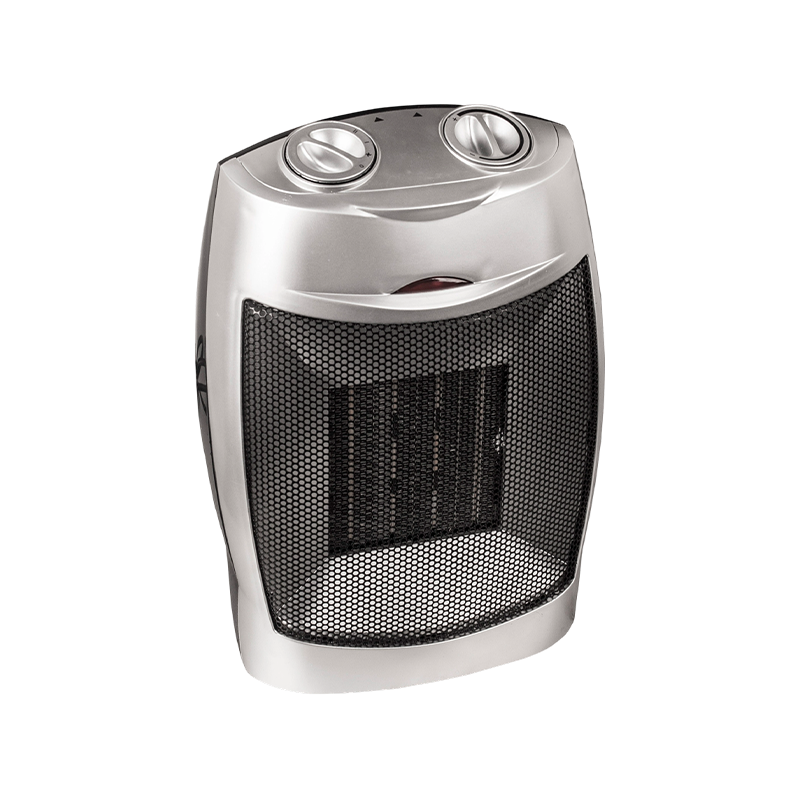
FJ-PTC-03A PTC fan heater
This ceramic heater operates on 220-240V and offers flexible heating with 750W and 1500W settings. P...
View More
FJ-PTC-03A PTC fan heater
This ceramic heater operates on 220-240V and offers flexible heating with 750W and 1500W settings. P...
 View More
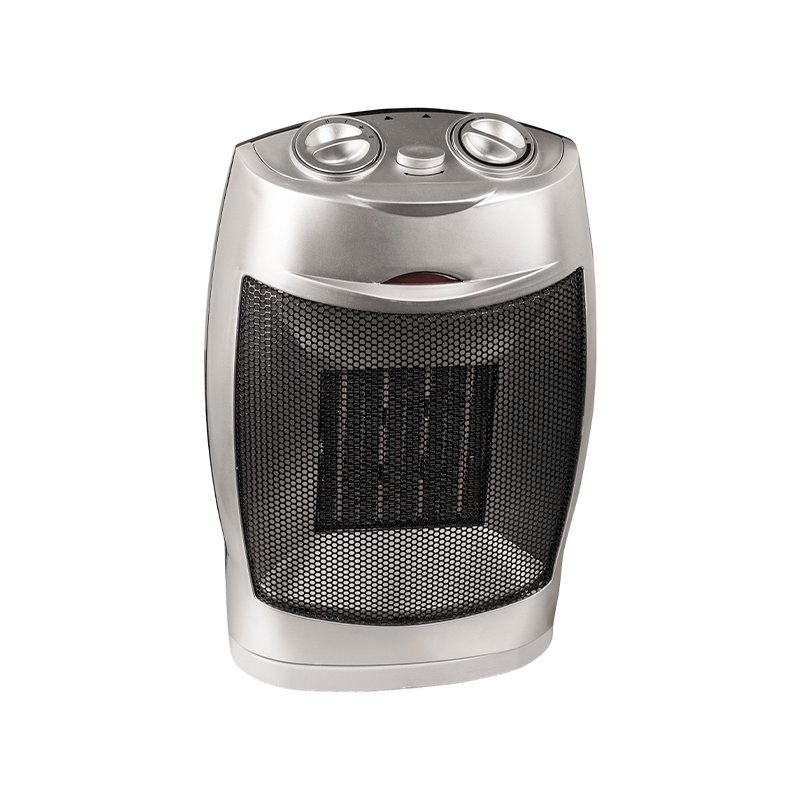
FJ-PTC-03B ceramic PTC fan heater
Designed for versatile use, this ceramic heater works with 220-240V power and features two heating o...
View More
FJ-PTC-03B ceramic PTC fan heater
Designed for versatile use, this ceramic heater works with 220-240V power and features two heating o...
 View More
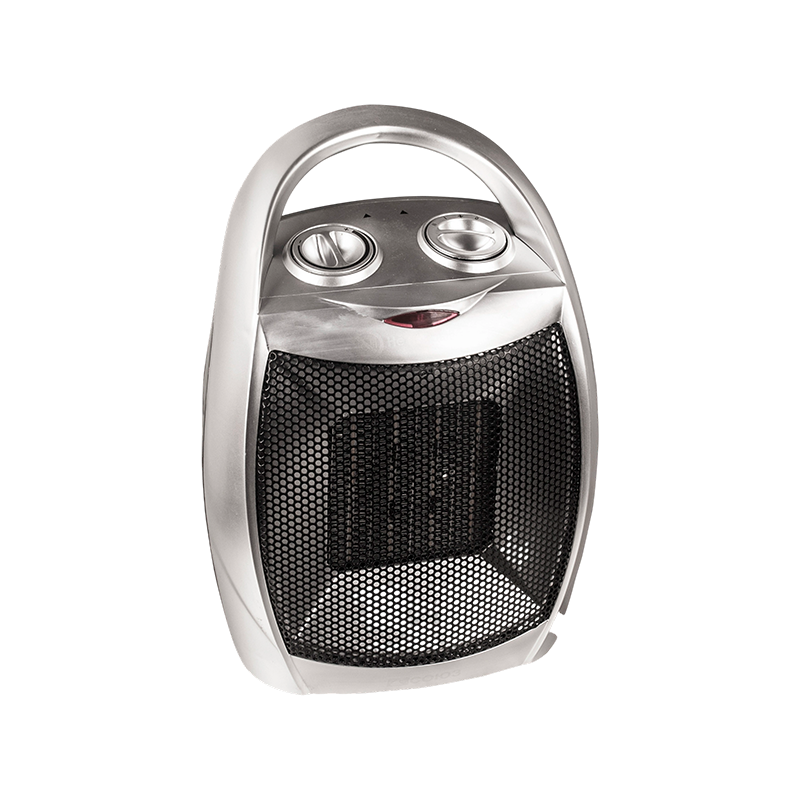
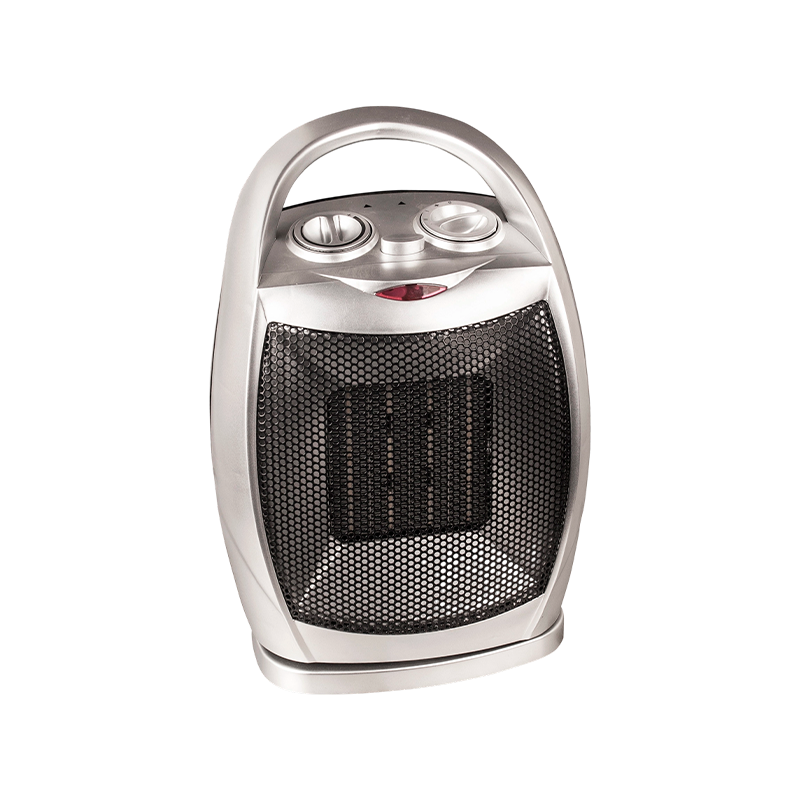
FJ-PTC-06A mini PTC fan heater
Ideal for everyday comfort, this ceramic heater runs on 220-240V and offers 750W and 1500W heating s...
View More
FJ-PTC-06A mini PTC fan heater
Ideal for everyday comfort, this ceramic heater runs on 220-240V and offers 750W and 1500W heating s...
 View More
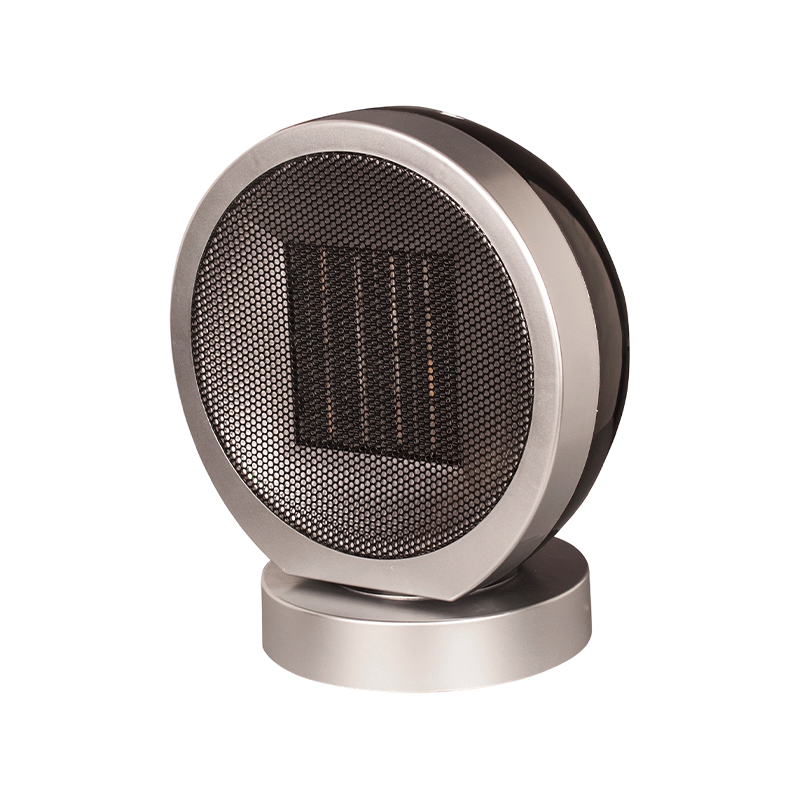
FJ-PTC-06B oscillating PTC fan heater
This ceramic heater provides adaptable temperature control with 220-240V operation and 750W/1500W he...
View More
FJ-PTC-06B oscillating PTC fan heater
This ceramic heater provides adaptable temperature control with 220-240V operation and 750W/1500W he...
 View More
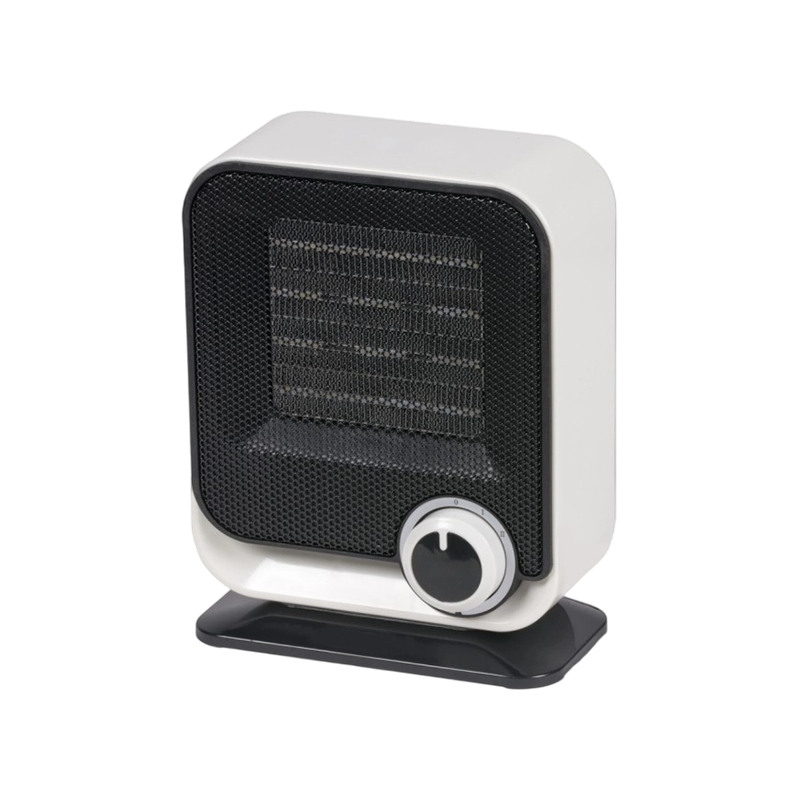
FJ-PTC-09 OEM PTC fan heater with custom logo
This ceramic heater operates on 220V-240V and delivers reliable performance with a maximum power of ...
View More
FJ-PTC-09 OEM PTC fan heater with custom logo
This ceramic heater operates on 220V-240V and delivers reliable performance with a maximum power of ...
 View More
PTC-05 best portable PTC fan heater for home use
With 220-240V compatibility, this ceramic heater offers 750W and 1500W heating settings for customiz...
View More
PTC-05 best portable PTC fan heater for home use
With 220-240V compatibility, this ceramic heater offers 750W and 1500W heating settings for customiz...