Home / Products / Electric Heater / Electric Oil filled radiator
Electric Oil filled radiator Custom
Our company produces and exports heaters,
water dispensers, electric fans, air coolers and tea bar machines, and has become a trusted brand in the industry.

Electric Oil filled radiator Suppliers

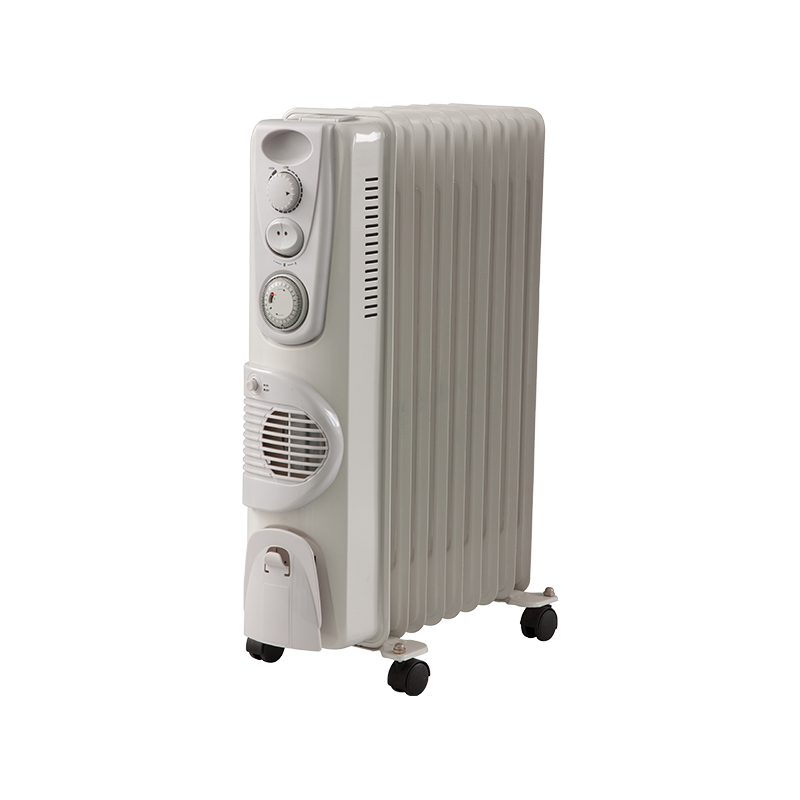
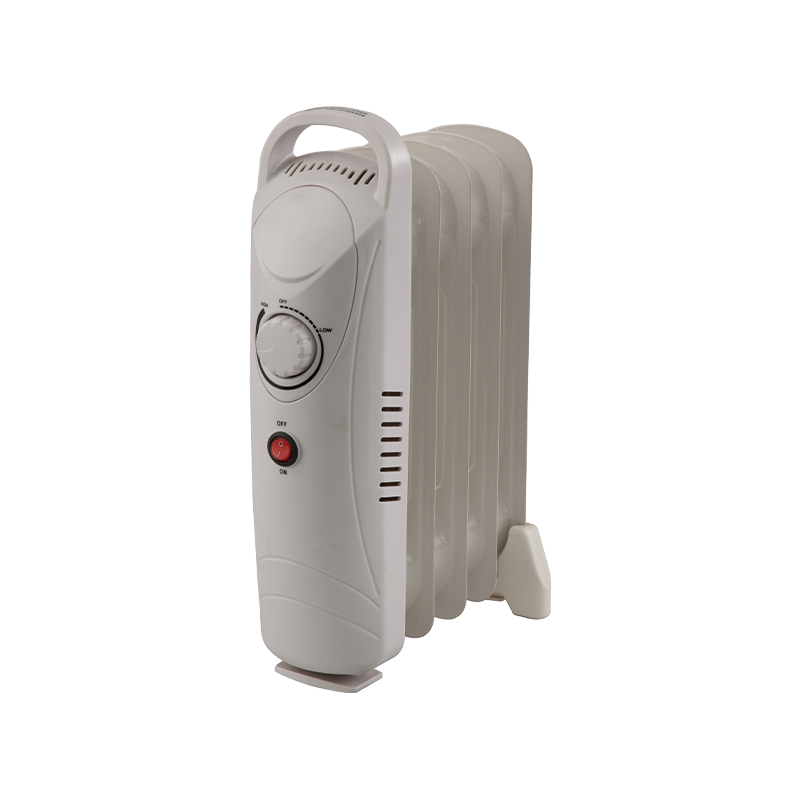
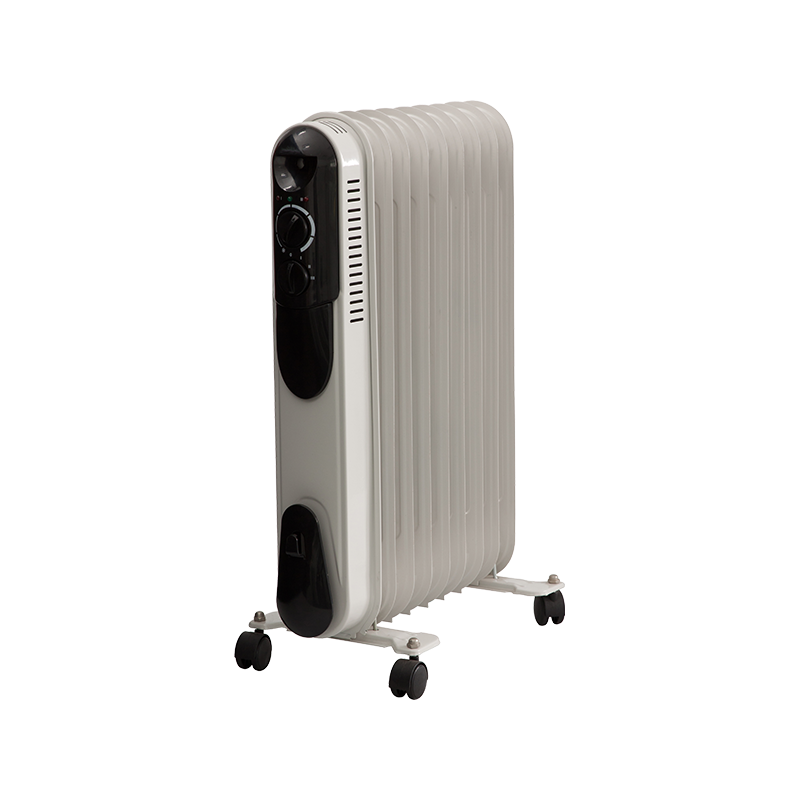
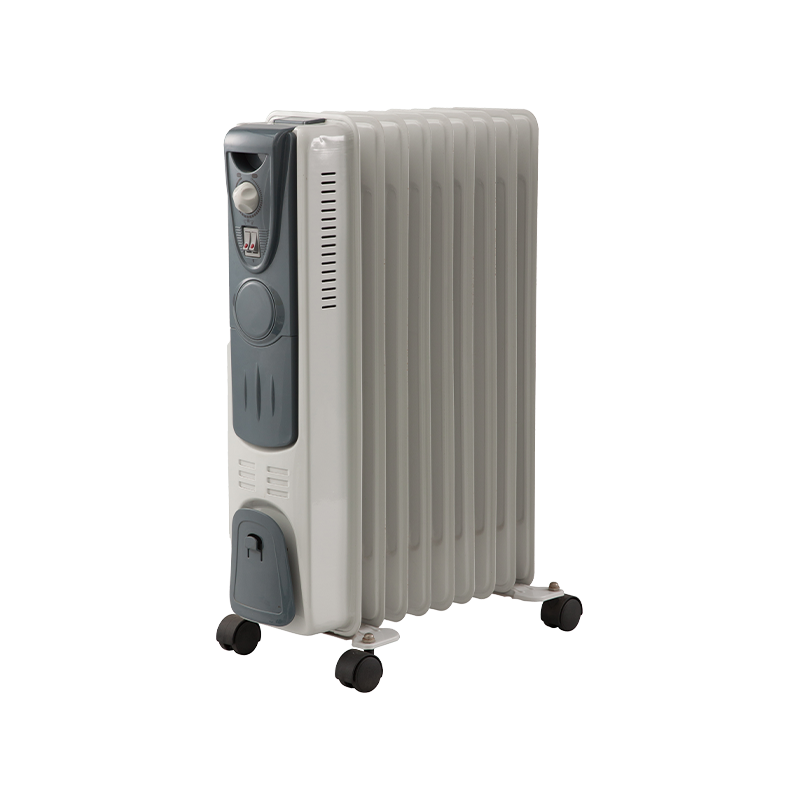
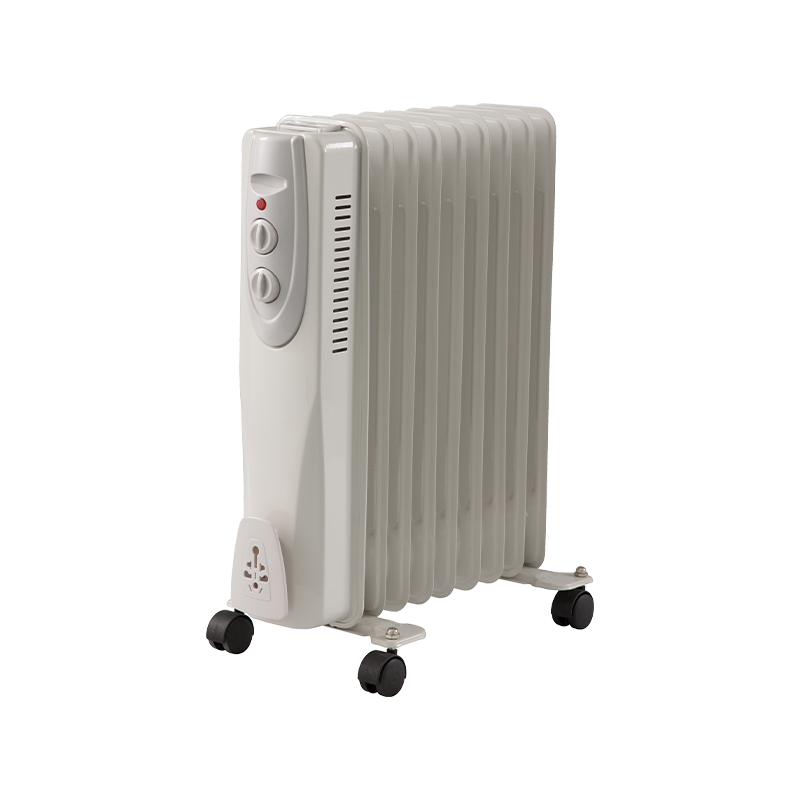
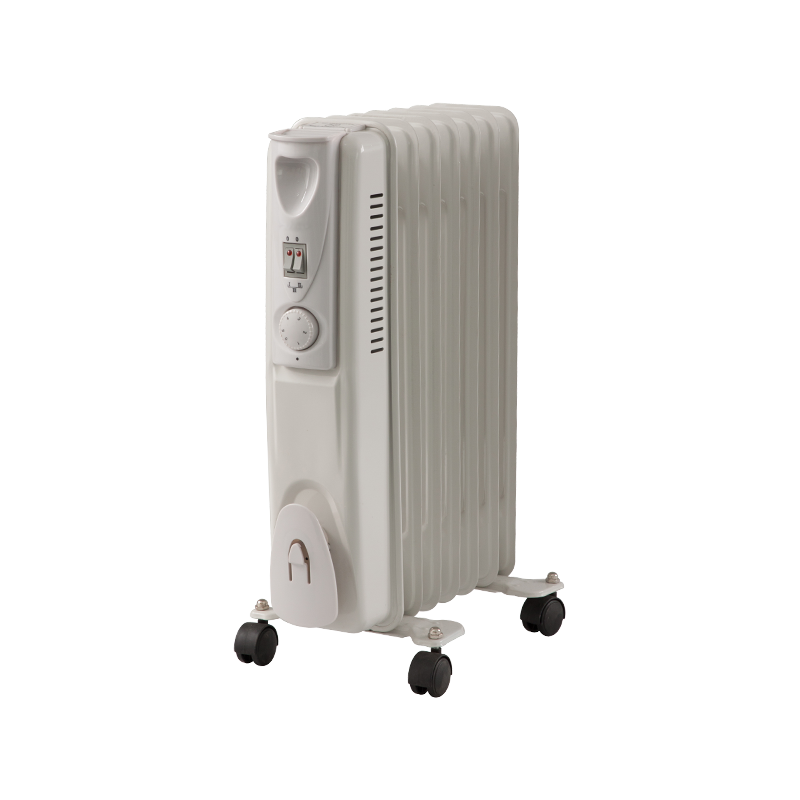
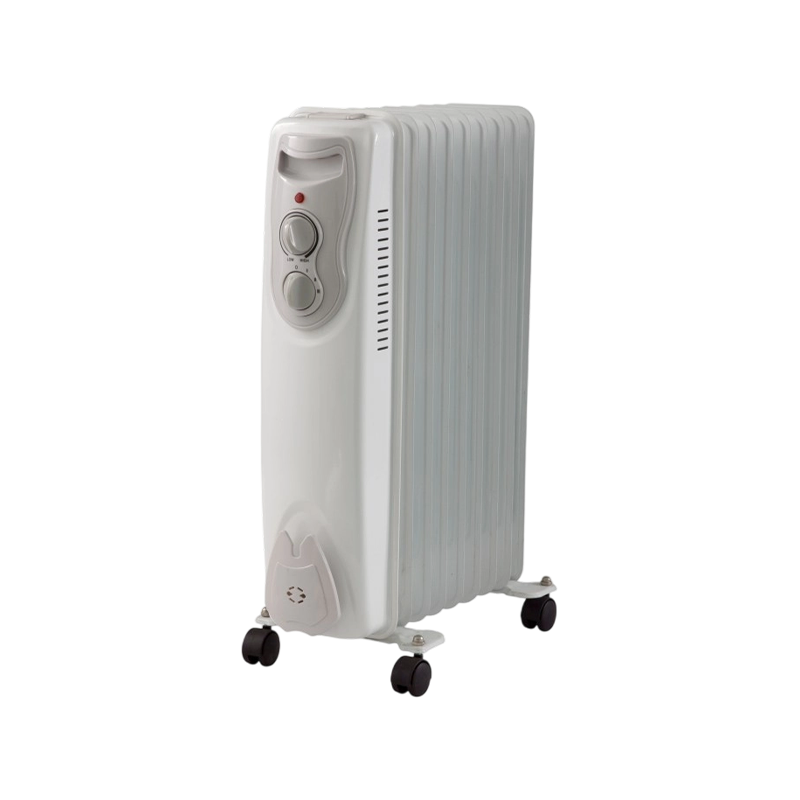
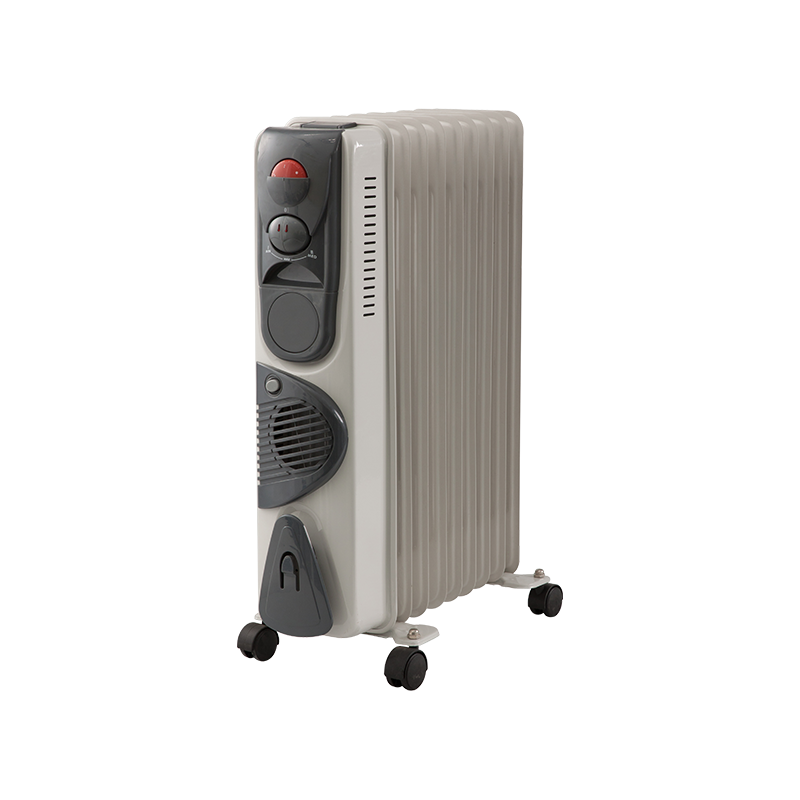
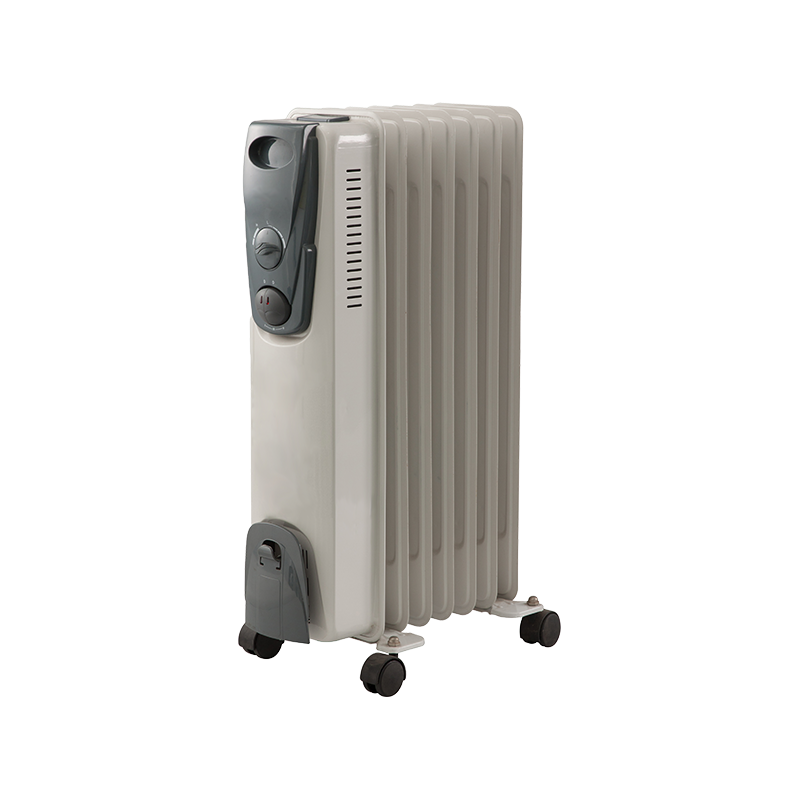
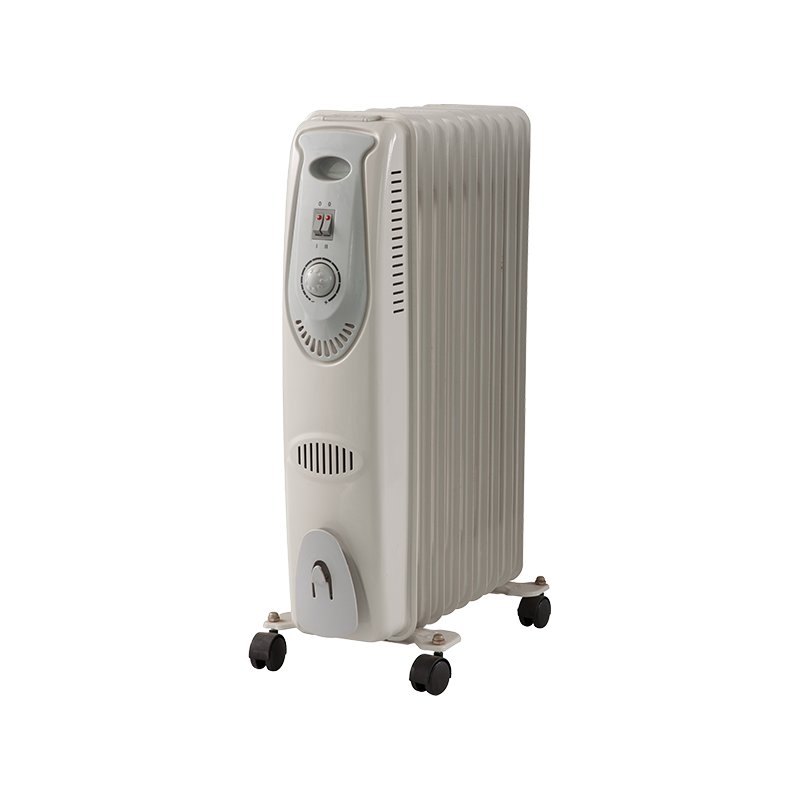
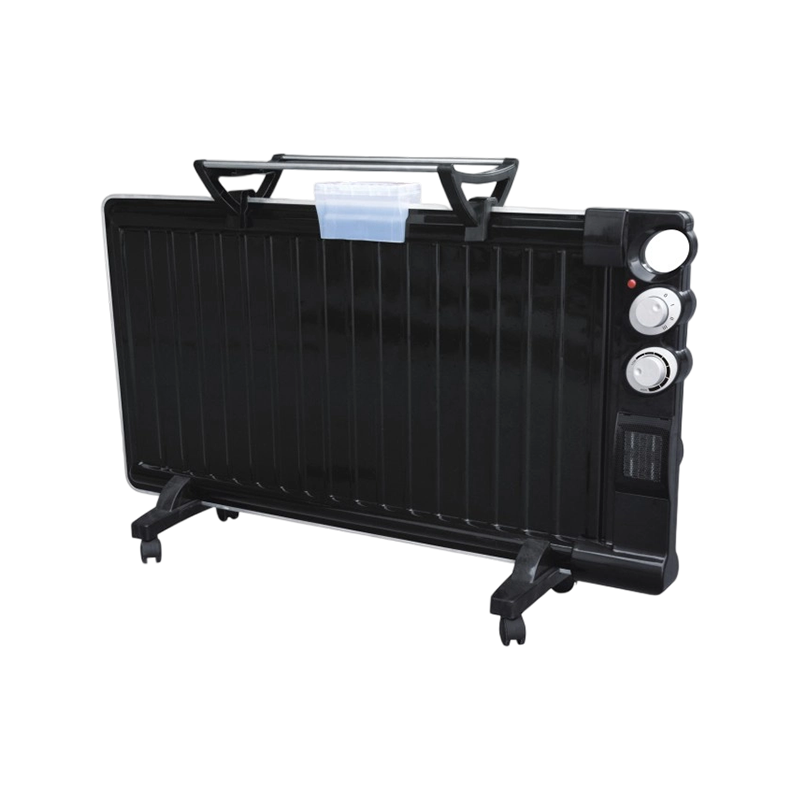
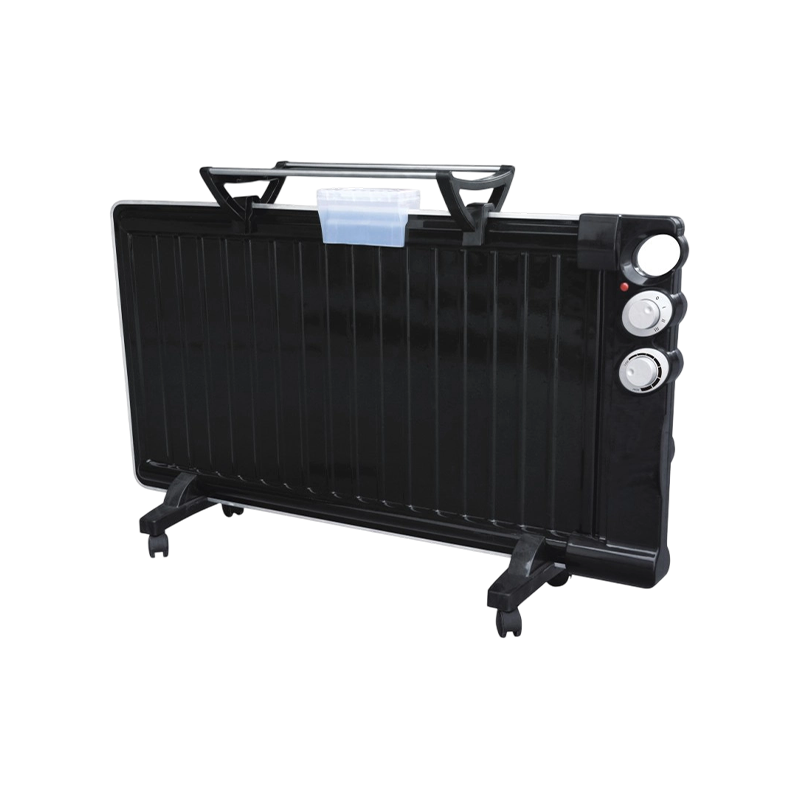
Oil Filled Radiators – also known as oil filled heaters or electric oil filled radiators – are one of the most popular home and office heating solutions for winter. Designed with sealed oil inside the unit, they provide long-lasting, energy-efficient and quiet heating compared to traditional fan heaters.

About Us
NINGBO FASHIDA APPLIANCE TECHNOLOGY CO., LTD.

As China Electric Oil filled radiator Manufacturers and Electric Oil filled radiator Suppliers, Ningbo Fashida Appliance Technology Co., Ltd. is a leading manufacturer of small household appliances, with its headquarters located in Cixi, the home appliance capital of China. Since 2007, we have been committed to providing high-quality products such as heaters, water dispensers, fans, etc. Due to our strategic location and strong R&D capabilities, we have established a trusted reputation in the global market for reliability, innovation and efficiency. Influence: Ningbo Fashida Appliance Technology Co., Ltd. serves customers worldwide, delivering appliances that combine innovation, efficiency, and reliability. By leveraging our advanced manufacturing capabilities and rigorous quality control, we ensure our products meet the diverse needs of markets across the globe. We are proud to be a leader in the household appliance industry, providing exceptional products that enhance everyday living. Located in Cixi City, Ningbo, known as the hometown of small household appliance manufacturing, our company benefits from its strategic position near Hangzhou Bay, with easy access to major hubs such as Ningbo Port, Shanghai, and Hangzhou.

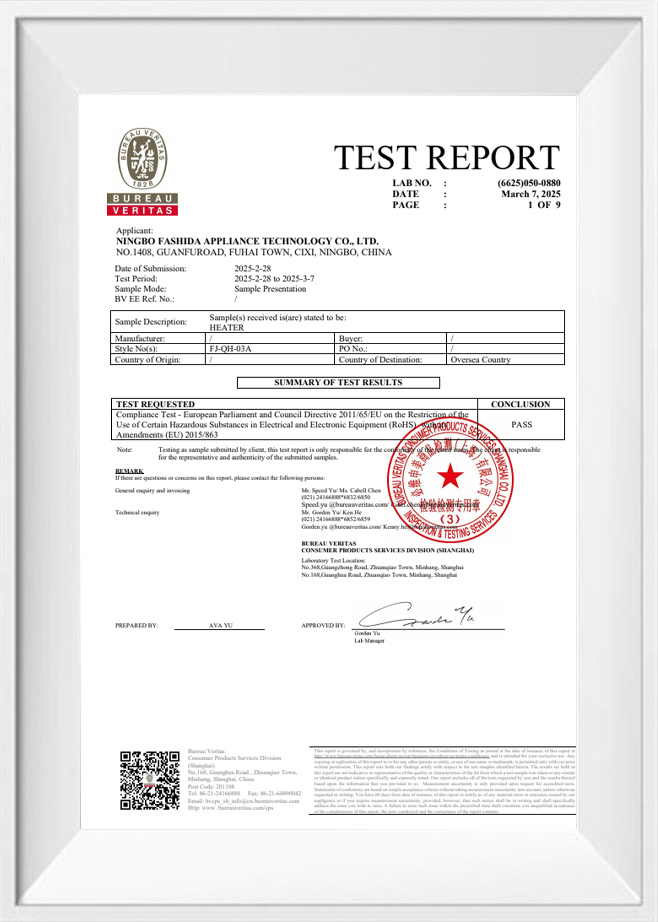
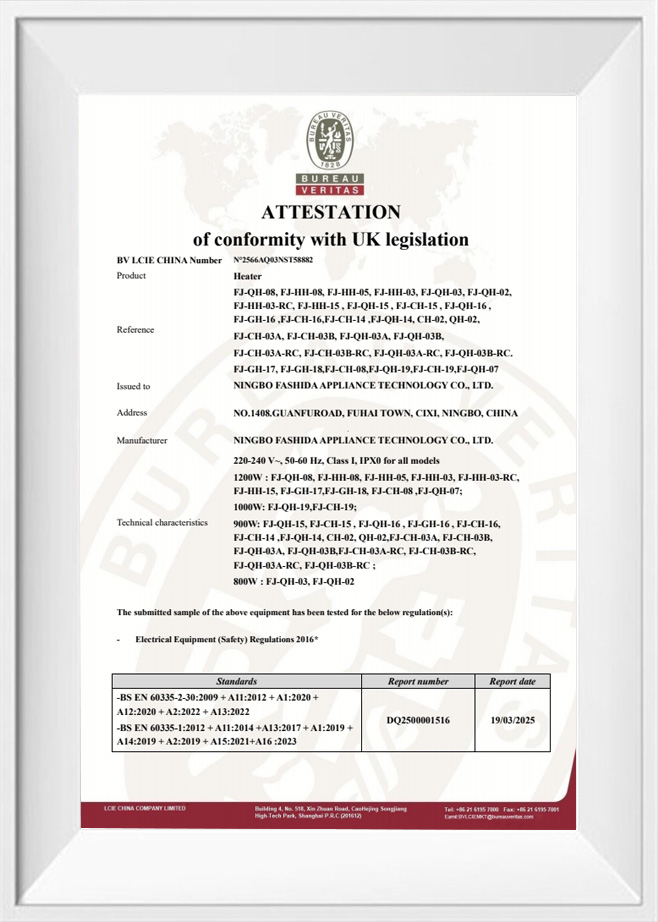
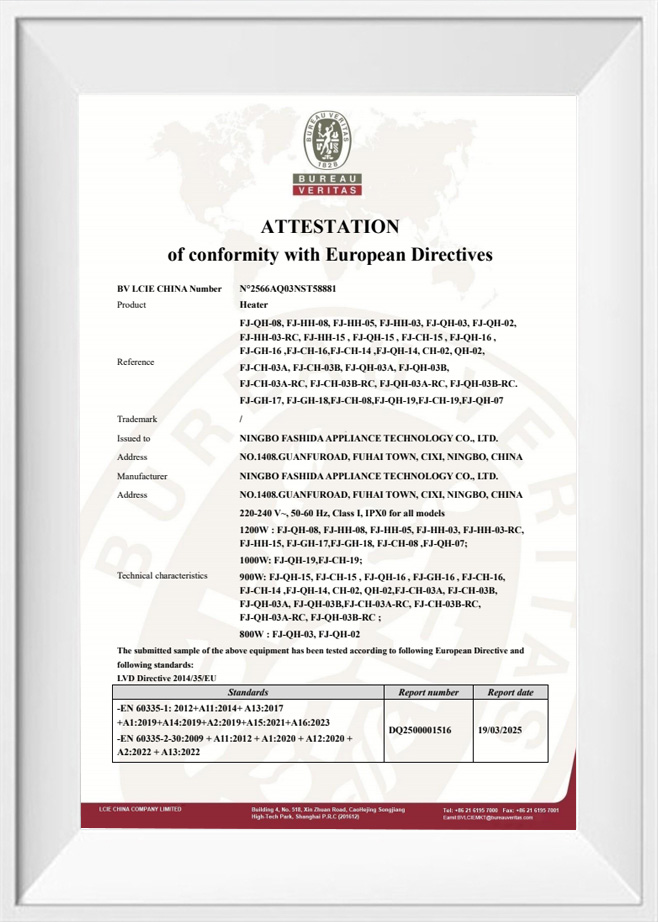
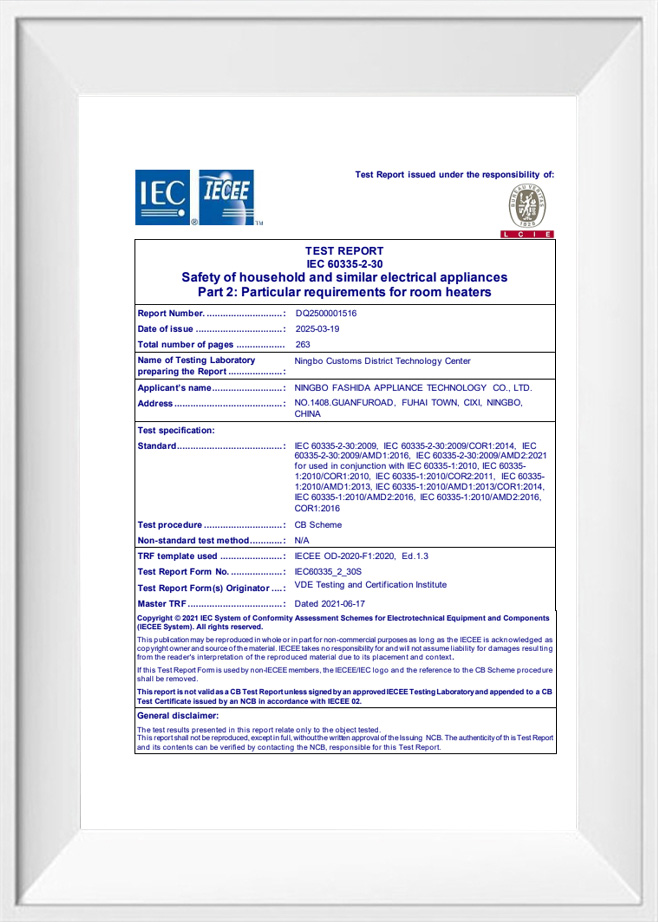
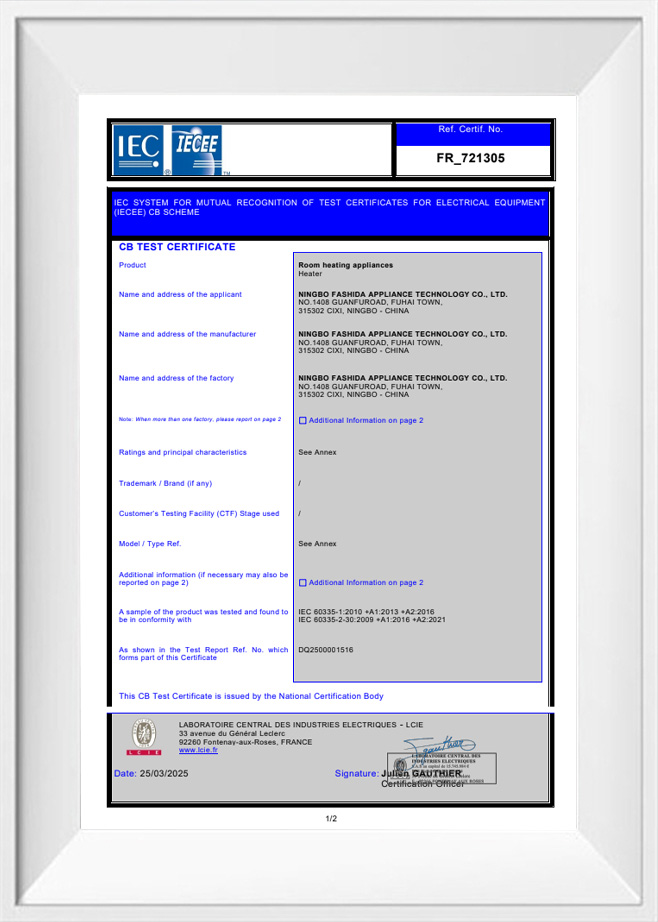
Certificate of Honor
News
  • 1. Cleaning the Cooling Pads Cooling pads are a crucial component of industrial air coolers, as they help in absorbing moisture and facilitating the cooling process. Over time, dirt, dust, and mineral deposits can accumulate on these pads, reducing their ability to cool the air effectively. To ensure optimal cooling pe...

    READ MORE
  • Electric ceramic heaters have become increasingly popular due to their efficiency, versatility, and quick heating capabilities. Whether used in homes or industrial settings, these heaters offer distinct advantages over other conventional heating methods. What Makes Electric Ceramic Heaters Efficient? Electric ceramic h...

    READ MORE
  • 1. Introduction: Understanding Industrial Air Coolers Industrial air coolers are specialized cooling devices designed to regulate temperature in large-scale commercial and industrial environments, such as factories, warehouses, workshops, and manufacturing plants. Unlike residential air conditioners, which focus on sma...

    READ MORE
Electric Oil filled radiator Industry knowledge

I. Unveiling the Power of Electric Oil-Filled Radiators in Modern Heating

A. Brief introduction to Electric Oil-Filled Radiators and their popularity in home and office environments.

When seeking a safe, efficient, and quiet solution for localized heating in a home or office, Electric Oil-Filled Radiators (also known as oil heaters) are an increasingly popular choice for modern consumers. As a specialized type of electric heater, they excel at providing stable and long-lasting heat output due to their unique operating principle. The widespread popularity of these heaters stems from their core advantages:

  • Consistent Heat: They deliver a gentle, continuous, and even warmth, rather than an instantaneous and concentrated blast of hot air.
  • Silent Operation: Since they lack mechanical moving parts like fans, they operate almost completely silently, making them ideal for nighttime use or environments that require high concentration.
  • Inherent Safety: They are typically equipped with essential safety features such as overheat protection and tip-over switches, positioning them as a safer option for extended and unattended use.

Ningbo Fashida Appliance Technology Co., Ltd., a leading manufacturer of small household appliances, focuses on providing a range of high-quality products, including advanced heating solutions. With its headquarters strategically located in Cixi—known as the home appliance capital of China, benefiting from easy access to major hubs like Ningbo Port, Shanghai, and Hangzhou—the company has, since 2007, established a trusted global reputation. This is achieved by leveraging strong R&D capabilities and rigorous quality control to deliver appliances that combine innovation, efficiency, and reliability, meeting the diverse needs of markets across the globe.

Comparing traditional heaters: The unique positioning of Electric Oil-Filled Radiators.

To fully grasp the value of Electric Oil-Filled Radiators, it is helpful to compare them with two other common types of electric heaters in the market, focusing on heat transfer method and heat retention capability.

1. Differences from Fan Heaters:

Fan heaters rapidly heat air using an internal element and forcibly blow it out with a fan, providing almost instantaneous heat. However, this heat is localized and dissipates quickly once the unit is turned off.

Parameter Comparison Electric Oil-Filled Radiators Fan Heaters
Heat Output Speed Slower (requires time to heat the internal oil) Extremely fast (instant hot air)
Heat Retention Capability Excellent (oil has high thermal mass; continues to release heat after power is off) Poor (heat dissipates quickly after power is off)
Noise Level Almost silent Contains fan noise
Heat Distribution Gentle, uniform, heats the entire room through radiation and convection Concentrated, direct blow, suitable for rapid spot heating

2. Differences from Convection Heaters:

Standard convection heaters (often panel heaters) through heating the surrounding air, causing it to rise and creating a natural circulation loop to warm the room. Electric Oil-Filled Radiators are essentially a type of convection heater, but they incorporate diathermic oil as a heat "buffer" or "thermal reservoir."

Parameter Comparison Electric Oil-Filled Radiators Standard Convection Heaters (Panel Heaters)
Core Heat Medium Diathermic oil (heat storage) Electric heating element and air
Thermal Inertia (Heat Storage) Very high (oil can maintain heat for extended periods) Moderate (relies mainly on air circulation; limited heat storage)
Type of Heat Output Radiant heat + Convective heat (provides more comfortable, penetrating warmth) Primarily Convective heat (heats air)
Long-Term Efficiency Better suited for maintaining a stable temperature over long periods (e.g., overnight), more energy-efficient due to less frequent thermostat cycling Suitable for short- to medium-term use, but requires more frequent cycling to maintain temperature

The unique positioning of Electric Oil-Filled Radiators makes them an ideal solution for users seeking continuous, quiet, and safe heating.

II. Deconstructing the Mechanism: How Electric Oil-Filled Radiators Work

The operating principle of Electric Oil-Filled Radiators is the foundation of their ability to provide long-lasting, stable heat. Their design ingeniously combines the convenience of electric heating with the efficiency of liquid medium heat storage, thereby achieving highly effective heat radiation.

A. Detailed analysis of the core operating principle

The operation of an Electric Oil-Filled Radiator can be broken down into three key steps: power input, heat energy conversion, and thermal oil circulation.

1. Power input: How the heating process is initiated.

When the user plugs in the power cord and switches on the heater, electrical current flows into the device. The heater’s thermostat monitors the current room temperature and decides whether to activate the heating element based on the user's set point.

2. Heating element heats the oil: Detailed explanation of how the heating element converts electrical energy into thermal energy and warms the internal diathermic oil.

  • The core of an Electric Oil-Filled Radiator is a sealed metal chamber filled with a specialized diathermic oil. This oil does not burn as fuel; rather, it acts as a highly efficient medium for heat transfer and storage.
  • The electrical current passes through the heating element (usually a resistance coil) hidden at the bottom of the chamber. These coils convert electrical energy into thermal energy at nearly 100% efficiency.
  • This thermal energy is immediately transferred to the diathermic oil surrounding the element. The oil’s property of high specific heat capacity means it can absorb and store a large amount of heat with a relatively slow rise in temperature, which is key to the high heat retention capability of Electric Oil-Filled Radiators.

Ningbo Fashida Appliance Technology Co., Ltd. emphasizes the efficiency of the heating elements and the quality of the diathermic oil in the design and manufacturing of its heaters. Through stringent quality control and advanced manufacturing techniques, the company ensures the sealed system of its Electric Oil-Filled Radiators is safe and reliable, internal diathermic oil to perform optimally in heat transfer, thereby providing customers with reliable and efficient products.

3. Thermal oil circulation: The mechanism of oil movement within the fins.

Once heated, the oil decreases in density and begins to circulate naturally within the multiple fins or column channels of the radiator.

  • Natural Convection Principle: The hot oil rises, transferring its heat to the metal surface of the fins; the cooled oil sinks back down to the heating element to be reheated.
  • This continuous internal circulation ensures a uniform temperature across the metal surface of the radiator, allowing heat to be stably released outwards.

Heat transfer: From oil to room

Heat is transferred from the metal surface of the fins to the room environment, primarily relying on two fundamental mechanisms: Radiant Heat and Convective Heat.

1. The role of Radiant Heat:

  • The hot surface of the Electric Oil-Filled Radiators directly emits infrared radiation into the surrounding environment.
  • This radiant heat (similar to the warmth from sunlight or a fireplace) travels in the form of electromagnetic waves, directly warming objects, walls, and people in the room, rather than solely heating the air first.
  • Radiant heat is penetrating and delivers a deep, comfortable feeling of warmth.

2. The contribution of Convective Heat:

  • When air comes into contact with the heated surface of the fins, its temperature rises, its density decreases, and it rises.
  • Cooler air from the bottom of the room flows in to be heated, continuing the natural air circulation (convection).
  • The convective heating mechanism helps to warm the air of the entire room, achieving balanced temperature distribution.

3. The permanence of the oil: Why the internal oil does not need to be replaced?

This is a common question. The key takeaway is: The diathermic oil is a heat medium, not a fuel.

  • Sealed System: The oil is permanently sealed within a high-pressure metal chamber and is not exposed to air for oxidation or contamination like motor oil.
  • Long-life and Maintenance-free: As long as the heater does not leak, the oil maintains its heat transfer properties throughout the device's service life. Hence, Electric Oil-Filled Radiators are considered maintenance-free heaters.

Ningbo Fashida Appliance Technology Co., Ltd., utilizing its robust R&D capabilities and location advantage in Cixi, the home appliance manufacturing base, strictly controls every production link. Through precise welding and sealing processes, the company guarantees the integrity of the thermal oil system, ensuring that its products provide stable service for years to global users.

III. Superiority and Performance: Benefits of Using Electric Oil-Filled Radiators

Electric Oil-Filled Radiators secure their position in the competitive portable heater market due to their significant advantages in heat quality, quiet operation, and inherent safety. These benefits make them an ideal choice for households and offices that require stable, long-term heating.

Consistent and Even Heat Distribution

The biggest advantage of Electric Oil-Filled Radiators is the stable and uniform heat they provide.

  • High Thermal Mass: As explained in Section II, the internal diathermic oil has a high specific heat capacity. This means the oil can absorb and store a large amount of thermal energy. This "thermal inertia" ensures that the heat is released smoothly over an extended period.
  • Eliminates Cold and Hot Spots: Unlike fan heaters which might create hot spots near the device and leave cold spots elsewhere, Electric Oil-Filled Radiators operate primarily through radiation and natural convection. The heat disperses slowly and evenly, contributing to a more consistent and comfortable ambient temperature.
  • Continued Heating After Power Off: Even when the thermostat reaches the set temperature and cuts the power, or during a brief power outage, the heated diathermic oil will continue to radiate heat into the room, providing a period of "residual heat."

Silent Operation: Ideal for bedrooms and offices

In environments requiring quietness, such as bedrooms, study rooms, or offices, Electric Oil-Filled Radiators offer an unparalleled advantage.

  • Fan-less Design: They rely entirely on the natural circulation of the internal thermal oil and the natural radiation and convection of heat from the fin surfaces. Since there are no motor-driven fans or other mechanical moving parts, they operate almost completely silently.
  • Ideal Applications: This silent characteristic makes them the preferred heater for nighttime use (e.g., bedrooms or nurseries) and in environments requiring high levels of concentration (e.g., home offices).

Safety Features: Overheat protection and tip-over switches

Safety is a critical factor that earns trust for Electric Oil-Filled Radiators. They are designed for extended, unattended operation and integrate several standard safety features.

  • Overheat Protection: This is essential for all compliant heaters. An integrated automatic switch (usually a thermal fuse or thermostat switch) will immediately cut the power if the internal temperature unexpectedly reaches unsafe levels, preventing fire hazards.
  • Tip-over Switch: If the heater is accidentally knocked over by a child, pet, or impact, this mechanical or electronic switch will immediately trip and shut down the device.
  • Cool-Touch Technology: Many modern Electric Oil-Filled Radiators incorporate unique designs and surface coatings to ensure their exterior surface temperature remains lower than traditional metal heaters, reducing the risk of accidental contact burns.

As a manufacturer committed to providing high-quality small household appliances since 2007, Ningbo Fashida Appliance Technology Co., Ltd. recognizes the importance of product reliability and safety. The company strictly adheres to international safety standards, utilizing rigorous quality control processes to ensure its Electric Oil-Filled Radiators series products fully comply with safety requirements upon leaving the factory, providing safe and reliable heating solutions for global users.

Energy Efficiency: How they maintain heat longer

While the efficiency of converting electrical energy into heat energy is the same for any electric heater (approaching 100%), Electric Oil-Filled Radiators have an advantage in terms of usage efficiency and energy-saving strategy.

Efficiency Consideration Electric Oil-Filled Radiators Standard Coil Heaters
Thermal Inertia Very high (oil continuously releases heat) None (stops emitting heat immediately when power is off)
Thermostat Cycling Frequency Low (oil retains temperature longer, reducing element activation cycles) High (requires frequent activation to maintain room temperature)
Perceived Comfort High (radiant heat is comfortable and penetrating) Low (hot air can be uncomfortable)

It is the strong heat retention capability of the oil that allows the heating element to cycle on and off less frequently than other instantaneous heaters to maintain the set temperature. This reduced operating time for the heating element means that Electric Oil-Filled Radiators can be run more cost-effectively while maintaining the same level of comfortable warmth. Ningbo Fashida Appliance Technology Co., Ltd. leverages its advanced manufacturing base in Cixi and strong R&D capabilities to integrate energy-saving designs into its products, ensuring that customers fully benefit from the innovation, efficiency, and reliability when using their Electric Oil-Filled Radiators.

IV. FAQ

Q1: Does the oil inside run out or need to be replaced?

A: No. The oil inside Electric Oil-Filled Radiators is a specialized Diathermic Oil, which acts as a medium for heat transfer and storage, not as a fuel. The heater's chamber is permanently sealed, so the oil cannot evaporate, burn, or leak (unless the unit is severely damaged). The oil maintains its thermal conductivity properties throughout the designed lifespan of the device, requiring no replenishment or replacement.

Q2: Do Electric Oil-Filled Radiators dry out the air in a room?

A: No. Unlike some instantaneous heaters that superheat the air via exposed elements, which can "burn up" moisture, Electric Oil-Filled Radiators warm the room primarily through radiation and relatively gentle convection. Because they do not have exposed heating elements and do not rely on a forceful fan to circulate air, they do not significantly reduce room humidity and are considered a less moisture-affecting heating method.

Q3: Why does my heater make a slight clicking noise when running?

A: This is a normal phenomenon. Electric Oil-Filled Radiators often emit a slight "click" or "pop" sound during heating and cooling. This is usually due to:

  1. Thermal Expansion and Contraction: The internal diathermic oil and metal fins experience slight expansion and contraction when heated and cooled, causing minor friction between metal components.
  2. Thermostat Operation: When a mechanical thermostat reaches the set temperature and cuts off or restores power, it will also produce a faint switching sound.

These noises are generally part of the normal operation and heat transfer process of the device and are not usually cause for concern.

Q4: Is it safe to use an extension cord with the outlet?

A: It is strongly advised not to use an extension cord. Electric Oil-Filled Radiators are typically high-wattage devices (ranging from 1000 to 1500 Watts) and draw a significant electrical load when running. Plugging a high-wattage heater into an extension cord can lead to the cord overheating, melting, or even causing a fire, especially if the extension cord is not rated for the required amperage. For safety, it is always recommended to plug the Electric Oil-Filled Radiator directly into a wall socket.

Q5: How do I calculate the minimum wattage needed for my room?

A: Calculating the minimum wattage required for your room helps you select the right heater for efficient heating. A widely accepted rule of thumb is that for a moderately insulated room, you need approximately 10 Watts of heating power per square foot. Calculation Steps:

  1. Measure the length and width of the room (in feet).
  2. Calculate the room area (square feet) = Length * Width.
  3. Calculate the required wattage = Room Area * 10.

For example, a 10 ft * 15 ft room has an area of 150 square feet, so the required wattage is approximately 150 * 10 = 1500 Watts.

Through thoroughly understanding the operating principles, selection criteria, and best practices for Electric Oil-Filled Radiators, you can make an informed decision to find the safest, most comfortable, and most energy-efficient heating solution for your home or office.