


 English
 中文简体
中文简体
As China Electric Outdoor heater Manufacturers and Electric Outdoor heater Suppliers, Ningbo Fashida Appliance Technology Co., Ltd. is a leading manufacturer of small household appliances, with its headquarters located in Cixi, the home appliance capital of China. Since 2007, we have been committed to providing high-quality products such as heaters, water dispensers, fans, etc. Due to our strategic location and strong R&D capabilities, we have established a trusted reputation in the global market for reliability, innovation and efficiency. Influence: Ningbo Fashida Appliance Technology Co., Ltd. serves customers worldwide, delivering appliances that combine innovation, efficiency, and reliability. By leveraging our advanced manufacturing capabilities and rigorous quality control, we ensure our products meet the diverse needs of markets across the globe. We are proud to be a leader in the household appliance industry, providing exceptional products that enhance everyday living. Located in Cixi City, Ningbo, known as the hometown of small household appliance manufacturing, our company benefits from its strategic position near Hangzhou Bay, with easy access to major hubs such as Ningbo Port, Shanghai, and Hangzhou.

Electric Outdoor heater Suppliers
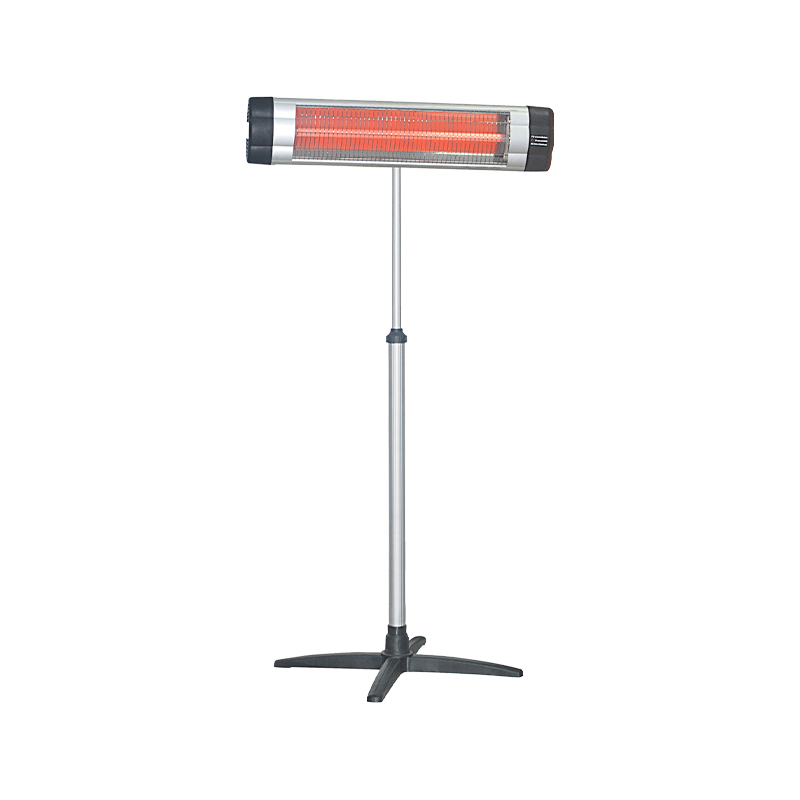
The outdoor heater is made to work outside. It has a strong design to fight wind. Even on chilly nights, it sends out warm heat, making outdoor spaces cozy.
Its main strength is heating a wide area. It can warm up a big outdoor spot, like a patio or garden. It heats up fast, so you don’t wait long for warmth. It keeps working well in low temperatures.
This outdoor heater fits many outdoor places. It’s great for home patios, where you can sit and chat. It works for outdoor cafes or restaurant yards too. It’s easy to set up and move if needed.
Its look is tough and nice. It doesn’t look out of place in any outdoor setting. It’s not just a heater—it’s a must-have for enjoying the outdoors in cold weather.

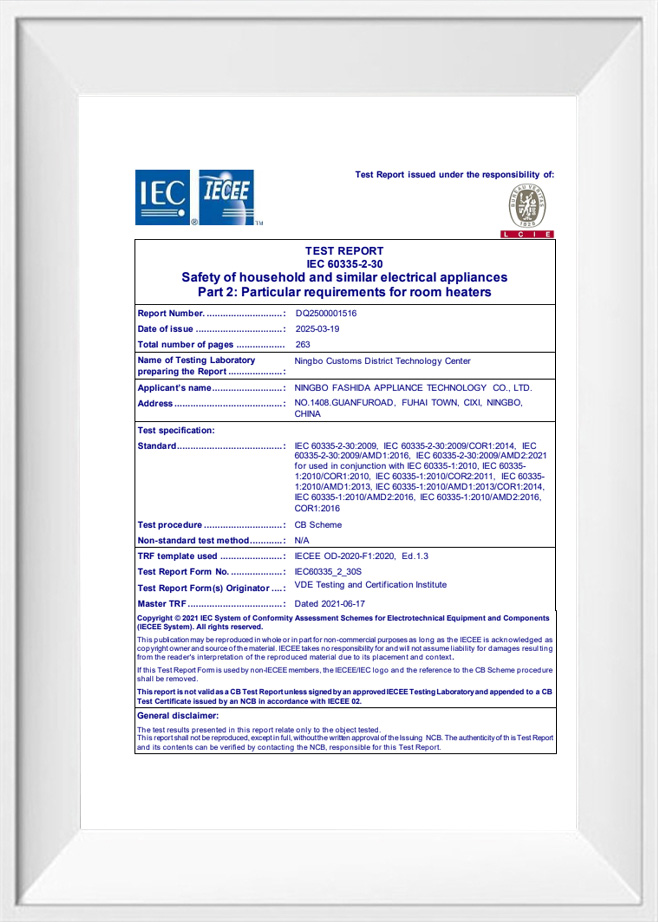
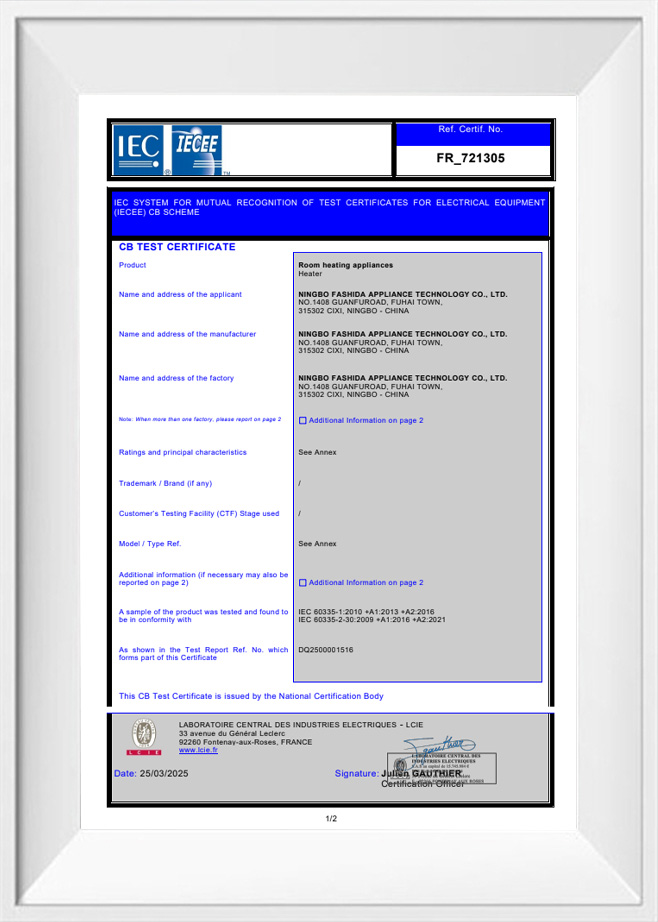
-
Introduction to Smart Water Dispensers A Smart Water Dispenser is a modern appliance designed to provide safe, filtered, and temperature-controlled drinking water for homes, offices, and public spaces. Unlike traditional water dispensers, smart dispensers integrate technology features such as touchless operation, intel...
READ MORE -
The Science of Comfort: More Than Just Temperature When we discuss indoor heating, most people focus solely on the number displayed on the thermostat. However, true “thermal comfort” is a multi-dimensional experience involving humidity levels, noise pollution, and the specific way heat energy moves through a room. An e...
READ MORE -
When the winter chill sets in, homeowners and office managers alike face a critical decision: how to stay warm without sending utility bills skyrocketing. The debate between the Electric Ceramic Heater and the Oil-Filled Radiator is at the forefront of energy-efficient home heating discussions. While both devices conve...
READ MORE
1. Welcome to Warm Outdoor Spaces: A Deep Dive into Electric Outdoor Heaters
The growing popularity of outdoor living spaces has led to increasing demands for comfort and functionality. Whether it’s an intimate courtyard, a spacious patio, or a small balcony, many households wish to enjoy their outdoor time year-round. As temperatures drop, Electric Outdoor Heaters (E.O.H.) have become the essential equipment to achieve this goal.
They are no longer exclusively features of commercial venues but are rapidly becoming a standard component of modern outdoor furnishings, serving as an efficient and clean heating solution.
1.1 What are Electric Outdoor Heaters (E.O.H.)?
Electric Outdoor Heaters, or E.O.H., are devices specifically designed for the outdoors that use electricity to convert electrical energy into thermal energy, maintaining a comfortable temperature in outdoor areas.
Unlike traditional indoor heaters, outdoor heaters must overcome the challenge of heat loss due to air circulation and wind. Therefore, most high-performance outdoor electric heaters utilize the principle of Radiant Heat, rather than relying solely on convection. This means they directly heat objects and people within their range of radiation, instead of trying to heat the surrounding air. This direct heating model significantly enhances Energy Efficiency, allowing them to provide perceptible warmth even in breezy conditions.
As a leading manufacturer of small household appliances, Ningbo Fashida Appliance Technology Co., Ltd. has been providing high-quality small household appliances, including heaters, since 2007. Located in Cixi, the appliance capital of China, and near major logistics hubs like Ningbo Port, we leverage our strategic position and strong R&D capabilities to ensure our electric patio heater products meet global demand for innovation, efficiency, and reliability.
1.2 Why Choose an Electric Outdoor Heater? Comparison with Gas/Propane Heaters
In selecting outdoor heating equipment, consumers typically compare Electric Outdoor Heaters (E.O.H.) with gas (natural gas) and propane (liquefied petroleum gas) heaters. While gas and propane heaters offer fuel portability, E.O.H. demonstrate significant advantages in several areas.
Parameter Comparison: Electric Outdoor Heater vs. Gas/Propane Heaters
| Feature | Electric Outdoor Heater | Gas Heater (Natural Gas) | Propane Heater (Propane) |
| Fuel/Energy Source | Electricity (plug-in or hardwired) | Natural Gas Line | Propane Tank |
| Ease of Operation | Extremely High (One-touch on, instant heat) | High (Pipe connection) | Medium (Requires tank replacement/refill) |
| Heating Principle | Primarily Radiant Heat, directly heats objects | Primarily Convective/Radiant mix | Primarily Convective/Radiant mix |
| Pollutants/Emissions | Zero emissions, more eco-friendly | Minor CO2 and water vapor | CO2, Carbon Monoxide (if incomplete combustion) |
| Safety | No open flame, no fuel storage risk, common Tip-over Protection | Must watch for leaks and ensure ventilation | Must watch for leaks, Carbon Monoxide poisoning risk |
| Maintenance Needs | Very Low (Primarily cleaning) | Moderate (Requires periodic line and nozzle checks) | Moderate (Requires periodic connection and tank checks) |
| Flexibility | High (Easy to wall-mount, ceiling-mount, or freestanding, highly portable) | Low (Fixed installation) | High (Portable, but tanks are bulky) |
E.O.H. Key Advantages Explained
- Convenience and Maintenance: Outdoor Electric Heater units eliminate the hassle of dealing with bulky fuel tanks or complex plumbing. They typically just need to be plugged in to provide instant heating. Maintenance is minimal, usually requiring only periodic wiping of the casing and heating elements.
- Safety Advantages: E.O.H. produces no open flame, eliminating the risks of fuel leaks and carbon monoxide poisoning, making them safer outdoor heating solutions. Furthermore, advanced models are generally equipped with built-in safety features such as Tip-over Protection and Overheat Protection.
- Efficiency and Environment: Modern infrared Electric Outdoor Heater can achieve high Energy Efficiency, with nearly all consumed electricity converted into usable heat energy. As zero-emission devices, their environmental impact is significantly smaller than that of fossil fuel heaters.
- Installation and Flexibility: E.O.H. come with diverse mounting options. Whether Wall-mounted or Freestanding, they can easily adapt to the design needs of various outdoor spaces.
1.3 Core Heating Principles: Heat Transfer Methods of Electric Outdoor Heater
Understanding how an Electric Outdoor Heater works is crucial for selecting the right model. Heat transfer in E.O.H. is primarily achieved through two methods:
- Radiant Heat: This is the preferred method for high-efficiency Electric Outdoor Heaters (especially infrared heaters). Radiant heat travels in the form of electromagnetic waves, similar to sunlight. Energy is converted into heat only when these waves contact a solid object or person, directly raising the surface temperature. Therefore, Radiant Heat effectively warms the target area even with wind presence, which is a key advantage for outdoor heating.
- Convective Heat: Convective heat is achieved by heating the air. The heating element raises the temperature of the surrounding air, which rises, while cooler air sinks, creating a circulation. While effective indoors, in outdoor or open patio heater electric settings, the warm air is easily carried away by the wind, leading to extremely low heating efficiency. Some lower-power or ceramic heaters use this method and are better suited for enclosed or well-sheltered areas.
Therefore, when seeking the best outdoor heater to effectively combat outdoor cold, prioritizing infrared or quartz patio heater electric models that predominantly use radiant heat is typically recommended to ensure the warmth is delivered directly to you and your guests.
2. In-Depth Analysis: Different Types of Electric Outdoor Heater
Before selecting the most suitable electric outdoor heater for your space, understanding the dominant heating technologies on the market is essential. Different types of outdoor electric heater use various elements and wavelengths to generate heat, which directly influences their efficiency, comfort level, and applicable environment.
2.1 Infrared Electric Outdoor Heater (Infrared Heater) - High-Efficiency Radiant Heat
Infrared heaters are widely considered one of the most efficient types of electric patio heater. They rely on the principle of Radiant Heat, directly warming illuminated objects rather than wasting energy heating the air.
- Mechanism: An infrared heater generates heat by energizing a high-intensity element (often carbon fiber, quartz tube, or high-density coil), causing it to emit infrared electromagnetic waves. These waves travel through the air and are absorbed by solid surfaces like skin, tables, and chairs, where the energy is converted into thermal heat.
- Advantages:
- Excellent Energy Efficiency: Minimal heat loss as they are unaffected by wind.
- Instant Heat: Virtually no preheating time required.
- Silent Operation: No fans or combustion components.
- High Wind Resistance: Highly suitable for open or semi-enclosed outdoor spaces.
- Considerations: Focused heating area, requiring precise positioning to cover the target zone.
Sub-Types: Comparison of Infrared Wavelengths
| Infrared Wavelength Type | Characteristics | Surface Temperature | Typical Application |
| Short Wave | High intensity, strong penetration, produces visible light (brighter) | >1800°C | Open patios, high wind areas |
| Medium Wave | Moderate, lower light, comfortable warmth sensation | 900°C - 1500°C | Semi-enclosed spaces, sheltered balconies |
| Long Wave | Mildest, no visible light, but higher convective loss | <900°C | Indoor or fully enclosed outdoor spaces |
2.2 Quartz Electric Outdoor Heater (Quartz Heater) - Fast and Affordable
Quartz heaters are a common entry-level electric outdoor heater on the market. They are similar to infrared heaters in principle but typically use a quartz tube as the heating element.
- Mechanism: Electric current passes through a metal coil inside the quartz tube, heating the tube wall. The quartz tube then emits infrared radiant heat.
- Advantages:
- Fast Heating: Quick response, immediate warmth upon turning on.
- Affordable: Lower initial cost compared to high-end infrared models.
- Lightweight: Easily designed as portable or tabletop models.
- Considerations: May produce Intense Glare, affecting the outdoor lighting ambiance; efficiency is often slightly lower than high-performance short-wave infrared heaters.
2.3 Halogen Electric Outdoor Heater (Halogen Heater) - Bright and Warm
Halogen heaters are known for their distinct luminous quality, often considered solutions that provide both light and heat.
- Mechanism: Uses a halogen filament (such as tungsten) heated within a quartz tube filled with halogen gas. This high-pressure environment allows the filament to reach extremely high temperatures, producing intense light and short-wave infrared heat.
- Advantages:
- Provides Illumination: The bright light can serve as an additional outdoor light source.
- Moderate Heat: Features a rapid radiant heat response.
- Considerations: High Energy Consumption, as they generate a significant amount of light alongside heat; bulb lifespan is relatively short, potentially requiring periodic replacement.
2.4 Ceramic Electric Outdoor Heater (Ceramic Heater) - Stable Convection
Ceramic heaters, or PTC (Positive Temperature Coefficient) heaters, play a more specialized role in outdoor heating solutions. They primarily rely on the convection principle and are thus better suited for protected, less ventilated spaces.
- Mechanism: Electric current passes through ceramic plates, heating the surrounding air. A fan is typically used to blow the warm air out, achieving Even Heat Distribution.
- Advantages:
- Even Heat Distribution: Convection distributes heat uniformly across a small area.
- Safer to Touch: The casing temperature is usually lower, reducing the risk of accidental burns.
- Considerations: Slower to Heat Up; highly inefficient in windy, open environments due to reliance on convection; some models can be Bulky.
Company Commitment to Heating Solutions
As a leading manufacturer of small household appliances, Ningbo Fashida Appliance Technology Co., Ltd. has conducted extensive research into these heating technologies in product development. Our R&D team continuously explores how to combine infrared heating technology with the latest safety features, such as Tip-over Protection and high-grade IP Rating, to create more efficient and durable electric outdoor heaters.
Leveraging our mastery of various heating principles and our strategic location in Cixi—the household appliance manufacturing center of China—we can flexibly provide diverse outdoor heating solutions, ranging from high-efficiency infrared to stable ceramic heating, tailored to the needs of different global markets. We are committed to delivering high-quality products that embody innovation, efficiency, and reliability, meeting the global expectation for exceptional outdoor warmth.
3. Key Specifications and Entities to Consider When Buying an Electric Outdoor Heater
Before bringing an electric outdoor heater home, you need to understand some core technical specifications and safety features. Making the correct choice is crucial not only for warmth but also for usage efficiency, safety, and long-term costs. Understanding these parameters is key to securing the best outdoor heater.
3.1 Core Performance Indicators: WATTAGE and BTU
A heater's performance is typically measured by its power output, Wattage (W), while BTU (British Thermal Unit) is another common metric representing heat output.
Wattage and Voltage: This is the primary measure of a heater's power consumption and output capacity. Standard household electric heaters generally range from 1000 W to 2500 W. High-power models, such as 3000 W or higher, may require a dedicated 240 V circuit, which must be carefully verified during purchase to ensure your outdoor electrical system can safely handle the load.
BTU (British Thermal Unit): Although BTU is more commonly used for gas heaters, it can also be used to evaluate the heat output of electric heaters. A simple conversion is: 1 Watt approx 3.412 BTU/h.
How to Determine the Right Heating Area: Space Assessment and Heating Needs
| Outdoor Space Factor | Suggested Wattage Adjustment |
| Space Size (Area) | The larger the area, the higher the wattage required. |
| Wind Exposure | Fully open spaces (high wind exposure) should select high-power infrared and increase the W count. |
| Climate Conditions | Colder climate regions require a higher baseline W count. |
| Mounting Height | Installations higher than 8 feet require higher wattage to ensure heat reaches the ground level. |
Generally, for a partially covered patio, you might need about 300 W per 10 square feet (approximately 1 square meter) of power. This requirement will be significantly higher for a windy, open space.
3.2 Power Requirements and Energy Efficiency
Energy Efficiency is a huge advantage of electric patio heater units compared to gas models. Since infrared heating targets objects directly, there is minimal waste of thermal energy.
Running Cost Analysis: Running costs can be estimated using the following formula: Hourly Running Cost = frac{ Heater Wattage (W){1000 times Price per Kilowatt-hour Choosing a heater with high radiant efficiency ensures that virtually all your spending is actually used for heating, not for heating the air.
Energy Saving Tips: Opting for models with a thermostat, Timer Function, or Adjustable Heat Settings allows you to reduce energy consumption when full power is not needed.
3.3 Safety Entities: Protecting Your Investment and Family
Safety is the primary consideration when selecting any outdoor electric heater.
| Safety Entity | Role and Importance |
| Tip-Over Protection | If the heater (especially freestanding floor models) is accidentally knocked over, an internal sensor immediately cuts the power, preventing fire hazards. |
| Overheat Protection | Prevents internal components or elements from being damaged or causing a fire due to extreme high temperatures. |
| IP Rating (Ingress Protection) | Indicates the heater's weather resistance, meaning its ability to resist dust and water. |
In-Depth Analysis of IP Rating
The IP Rating is a crucial measure of outdoor equipment performance in harsh environments. The two digits following IP represent:
First Digit (Dust Protection): Ranges from 0 (no protection) to 6 (completely dust-tight).
Second Digit (Water Protection): Ranges from 0 (no protection) to 8 (suitable for prolonged submersion).
For outdoor use, you should look for at least an IPX4 rated electric outdoor heater (X means dust protection is not tested, but it is resistant to splashing water). IP55 or IP65 signifies higher protection against dust and water jets, making them better suited for unsheltered patios.
3.4 Mounting Options and Materials
Different mounting options determine the adaptability and heat distribution of electric outdoor heaters in a space:
Wall-Mounted / Ceiling-Mounted: Permanent solutions that save floor space and are suitable for covering large areas.
Freestanding/Portable / Tabletop: Highly flexible and easy to move, suitable for areas requiring temporary heating or layout changes.
In terms of materials, high-performance heaters typically use corrosion-resistant and weather-resistant materials. Stainless Steel and Aluminum are preferred for casings and brackets, ensuring the equipment maintains structural integrity and aesthetics through long-term outdoor exposure. We ensure our units are constructed from durable Aluminum and Stainless Steel to meet high global standards.
3.5 Design, Aesthetics, and Convenient Controls
Modern electric outdoor heaters are not just functional devices but also part of outdoor decor.
Design and Aesthetics: Manufacturers offer a range of styles from sleek modern to traditional, allowing the heater to blend seamlessly with your outdoor furniture.
Controls and Adjustability: A Remote Control offers convenient long-distance operation, especially for high-mounted models. Additionally, multi-level power and temperature controls enable users to precisely adjust heat output.
4. How to Choose the Right Electric Outdoor Heater for Your Space
Selecting the electric outdoor heater that best fits your needs requires a comprehensive assessment of your outdoor environment, budget constraints, and energy usage requirements. This systematic evaluation ensures that the outdoor electric heater you choose is both efficient and economical.
4.1 Setting a Budget and Cost-Benefit Analysis
Before purchasing any electric patio heater, first clearly define your budget and estimate the potential long-term running costs.
- Initial Purchase Cost: Basic quartz or ceramic heaters are usually lower priced, while high-quality, high-power infrared electric outdoor heater units (especially those with high IP ratings and advanced control functions) will have a higher initial investment.
- Long-Term Running Cost: Although infrared heaters have a higher initial cost, their superior Energy Efficiency often translates to lower long-term electricity bills. When conducting a cost-benefit analysis, combine the heater’s wattage with the electricity price in your area.
Choosing high-quality products, despite the greater upfront investment, generally comes with a longer lifespan and fewer maintenance requirements.
4.2 Matching Your Outdoor Environment
The type of heater must match the physical structure and climate conditions of your outdoor space; this is a critical step to ensuring effective heating.
Matching Outdoor Space to Heater Type
| Space Type | Wind Exposure | Recommended Heater Type | Key Entities to Consider |
| Fully Open Space (Patio, Deck) | High | Infrared Heater (High power, Short wave) | High wattage, high IP rating (e.g., IP65), radiant heat. |
| Semi-Enclosed Space (Covered Balcony) | Medium | Infrared (Medium wave) or Efficient Quartz Heater | Good Energy Efficiency, adjustable heat settings. |
| Sheltered Outdoor Dining | Low | Ceramic or Long-wave Infrared Heater | Even Heat Distribution, attractive design and aesthetics. |
- Wind Consideration: Outdoors, wind is the greatest enemy of heat retention. If your space is often exposed to wind, an infrared heater utilizing radiant heat is virtually the only effective choice, as its heat is projected directly and is unaffected by air movement.
- Installation Location: Determine whether you need a space-saving wall-mounted or ceiling-mounted unit, or a flexible, movable freestanding unit. Mounting height and location will directly impact the heating range and effectiveness.
4.3 In-Depth Research: Evaluating Product Information and User Feedback
Thorough product research is essential before finalizing the purchase of the best outdoor heater.
Checking Product Technical Documentation
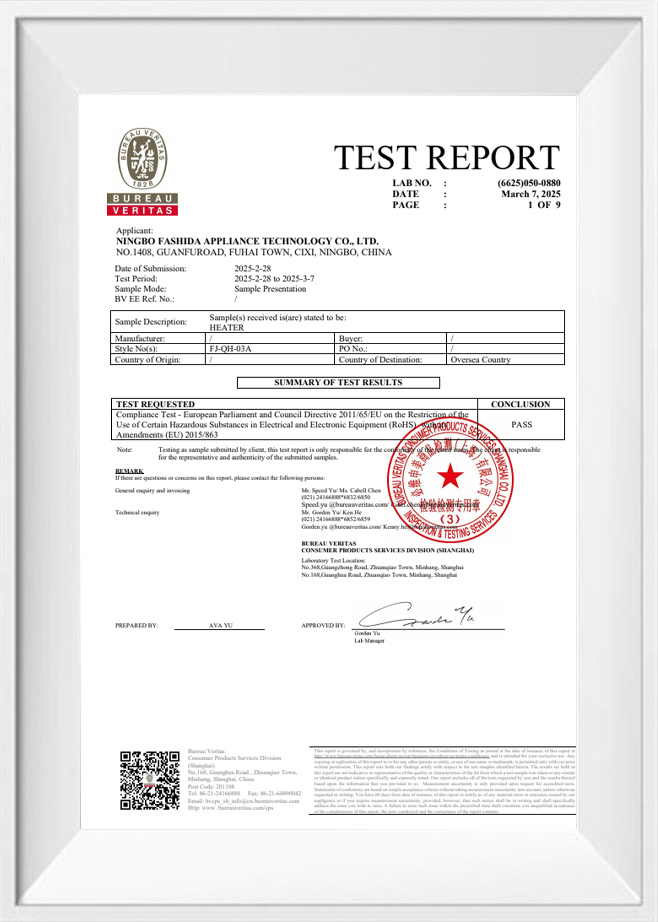
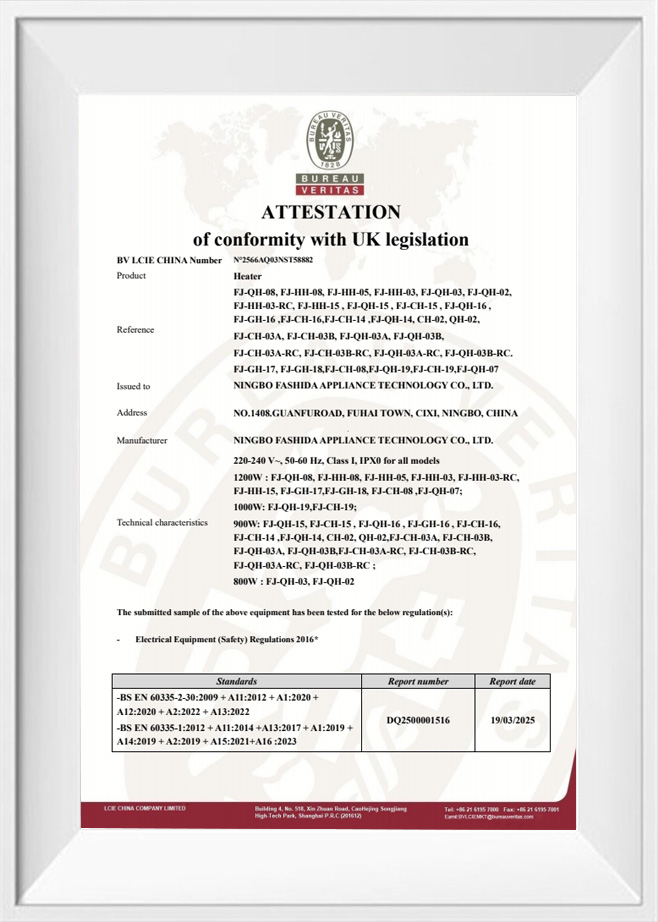
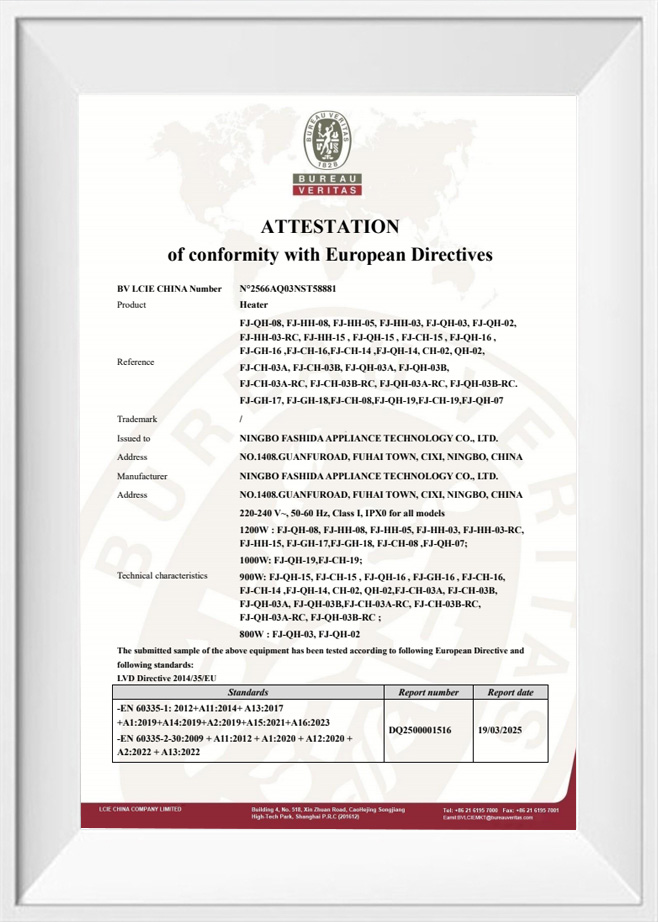
- Confirm Safety Certification: Ensure the heater complies with local safety standards. Check for essential safety features like Tip-over Protection and Overheat Protection.
- IP Rating Verification: Based on your environment, verify the product's IP Rating. If the unit may be exposed to rain or snow, IP55 or IP65 is a safer choice.
- Materials and Durability: Confirm that the casing and bracket materials are corrosion-resistant Stainless Steel or Aluminum, which directly affects its maintenance and lifespan in an outdoor environment.
Reviewing Customer Feedback and Warranty Policies
- Reading Customer Reviews: Gain insight into other users' feedback on the heater's actual heating effect, reliability, and convenience features like Remote Control. Pay attention to comments on Energy Efficiency and ease of Installation.
- Checking Warranty and Return Policies: A longer warranty period usually indicates the manufacturer's confidence in product quality. Clarify the manufacturer's after-sales service terms before purchasing.
5. Safety, Installation, and Maintenance of Electric Outdoor Heaters
Even if you have selected an electric outdoor heater with excellent IP Rating and Overheat Protection, proper Installation and usage habits are still key to ensuring its safe and efficient operation.
5.1 Electric Outdoor Heater Installation Guide
Whether it’s a wall-mounted, ceiling-mounted, or freestanding electric patio heater, safety must always come first.
Safety Precautions Before Installation
- Check Circuit Load: Before installing any high-power outdoor electric heater, you must confirm that the circuit you are using can handle its wattage. High-power heaters (e.g., 2000 W or more) may require a dedicated 240 V circuit, never overload a standard 120 V outlet.
- Maintain Safe Distance: Follow the manufacturer's recommended minimum safety distances. Typically, the bottom of the heater should be at least 6.5 to 8 feet from the ground, and the heating element must be kept 2 to 3 feet away from any flammable materials (e.g., umbrellas, curtains, roofing).
- Disconnect Power: Always completely disconnect the unit from the power source before performing any Installation, Maintenance, or repair work.
General Installation Steps
- Wall/Ceiling Models:
- Use a level to determine the mounting position.
- Drill holes in the wall or ceiling according to the template and brackets provided by the manufacturer.
- Ensure all screws and fasteners are secured to structural supports (like beams or masonry), avoiding installation on non-load-bearing materials like drywall.
- Many high-performance heaters may require hardwiring by a qualified electrician to ensure electrical safety.
- Floor/Tabletop Models:
- Check the stability of the base to ensure it won't easily tip over. These models should be placed on a flat, solid surface, away from walkways and high-traffic areas.
5.2 Maintenance Tips for Extending Electric Outdoor Heater Lifespan
Regular Maintenance is crucial for ensuring that electric outdoor heaters maintain their Energy Efficiency and good performance over the long term.
Cleaning and Care
| Maintenance Item | Frequency | Maintenance Advice |
| Casing and Reflector | At least 2-3 times per year | Disconnect power, wipe with a soft, dry cloth. NEVER use abrasive cleaners or water directly. |
| Heating Element | Once per year (or as needed) | Gently remove dust or insect residue from the reflector and element using a soft brush or compressed air. |
| Cables and Plugs | Once per month | Check the power cord for signs of wear, cracks, or damage. Ensure the plug connects tightly to the socket. |
- Moisture Protection: Even if the heater has a high IP Rating, when not in use, it is best to store it in a dry, covered area or use a dedicated weatherproof cover to Protect from rain and moisture.
- Storage: During seasonal non-use (e.g., summer), Freestanding/Portable units should be stored in a dry indoor area to extend the heater's overall lifespan.
5.3 Electric Outdoor Heater Usage Safety Tips
Correct usage of electric outdoor heaters is the last line of defense against accidents.
- Maintain Clearance: Emphasize again: Keep flammable materials away. Ensure any flammable items (including clothing, blankets, newspapers, or dry leaves) are kept at a sufficient and safe distance from the heating elements.
- Power Connection: If an extension cord must be used, ensure it is an outdoor-rated proper extension cord with a current rating that matches the heater's wattage. Poor quality or incorrect extension cords are a common cause of outdoor heater incidents.
- Usage Habits: Never leave unattended while in use. Always maintain supervision when the unit is operating, especially if children or pets are present.
- Tip-over Protection Check: For floor models, periodically test the Tip-over Protection feature to ensure it is functioning correctly.
6. FAQ About Electric Outdoor Heater
To help you make informed purchase and usage decisions, here are some of the most common questions about Electric Outdoor Heater units.
Q1: Can an Electric Outdoor Heater really keep me warm in cold weather?
A: Yes, but the effectiveness depends on the heater's type and your spatial environment.
High-performance electric outdoor heaters (especially short-wave infrared heaters) effectively deliver Radiant Heat. This heat directly targets people and surfaces, providing a perceptible zone of warmth even in cold or windy conditions.
However, if you choose a convection-dominant heater or a model with insufficient wattage, its effect will be very limited in open, extremely cold spaces. Therefore, selecting the correct wattage and heating technology for your outdoor environment is essential.
Q2: Are Electric Outdoor Heaters expensive to run? (Compared to Natural Gas/Propane)
A: Running costs are relative and depend on energy prices and the heater's Energy Efficiency.
- Initial Cost Comparison: The initial purchase price of an electric heater may be lower or higher than some gas models, but it eliminates the recurring cost of buying and replacing propane tanks.
- Efficiency Comparison: Modern infrared electric patio heater units are typically more energy-efficient than gas or propane heaters because they have zero exhaust and minimal heat loss.
- Estimation: You can estimate the hourly running cost by taking the heater's wattage (e.g., 1500 W), dividing by 1000, and multiplying by the price per kilowatt-hour in your area.
Generally, given their zero emissions and high efficiency, the outdoor electric heater is a clean and cost-predictable outdoor heating solution.
Q3: Do I need a professional electrician to perform the installation of my Electric Outdoor Heater?
A: It depends on the model and your electrical system.
- Plug-and-Play Models: Most freestanding, tabletop, and low-power wall-mounted electric outdoor heaters are designed to be plug-and-play. You only need to ensure the outlet is outdoor-rated, weatherproof, and that the circuit is not overloaded.
- High-Power Hardwired Models: Any permanent ceiling-mounted model requiring 240 V power or high wattage (e.g., 3000 W), for safety and compliance with electrical codes, is strongly recommended to be hardwired by a licensed electrician for Installation.
Q4: What is the typical lifespan of an Electric Patio Heater?
A: High-quality electric outdoor heaters often have a long lifespan, frequently exceeding that of gas models.
- Heating Element Lifespan: The lifespan of heating elements (such as infrared tubes) usually ranges from 5,000 to 10,000 hours. High-end carbon fiber elements may last even longer.
- Casing and Structure Lifespan: If the heater is constructed from durable Stainless Steel or Aluminum and features a high IP Rating, its casing and structure can withstand outdoor elements for many years without corrosion or degradation.
You can maximize the unit's lifespan through proper Maintenance (such as regular cleaning and taking care to Protect from rain and moisture).
Q5: How do I know if I need a 1500 W or a 3000 W heater?
A: This depends on your heating area and level of environmental exposure.
- Small Spaces (Balcony): For a small, well-sheltered space, a 1500 W electric patio heater may be sufficient to provide comfortable localized warmth.
- Large Spaces (Open Patio): For an open patio exposed to wind and a larger area, you will need 3000 W or even higher power to overcome heat loss, ensure adequate radiant heat coverage.
Assessment Steps: First, measure your space (area). Then, based on wind exposure (refer to Section 3.1), allocate the appropriate wattage per square foot/meter, and check the total requirement against your household's circuit load. Choosing a model with Adjustable Heat Settings allows you the flexibility to switch between power levels, such as 1500 W and 3000 W.
- Add:
No. 1408, Guanfu Road, Fuhai Town, Cixi City, Ningbo City, Zhejiang Province, China. - Email:
sales@fsdomy.com - Tel:
0086-574-63567602 - Phone:
+86 13805816547
-
Get In Touch
-
Quick Links
Home Products About Us FAQ News Contact -
product Center
Electric Heater Water Dispenser Air Fan & Cooling Spare Part -
NEWS & INSIGHTS
Company News Instury News -
Follow
