Home / Products / Water Dispenser
Water Dispenser OEM/ODM
Our company produces and exports heaters,
water dispensers, electric fans, air coolers and tea bar machines, and has become a trusted brand in the industry.

Smart Water Dispenser Manufacturers

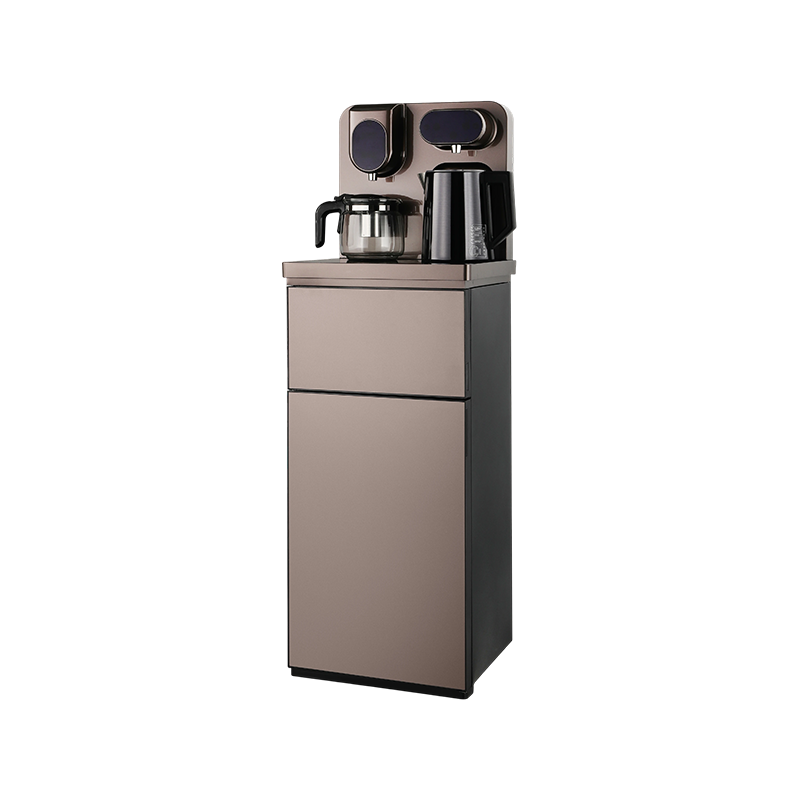
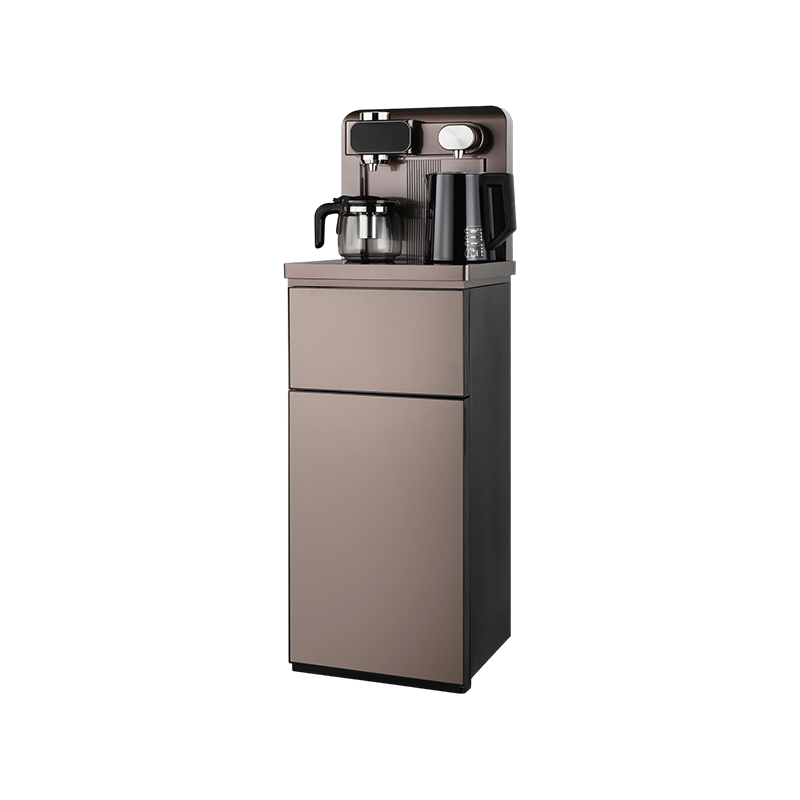
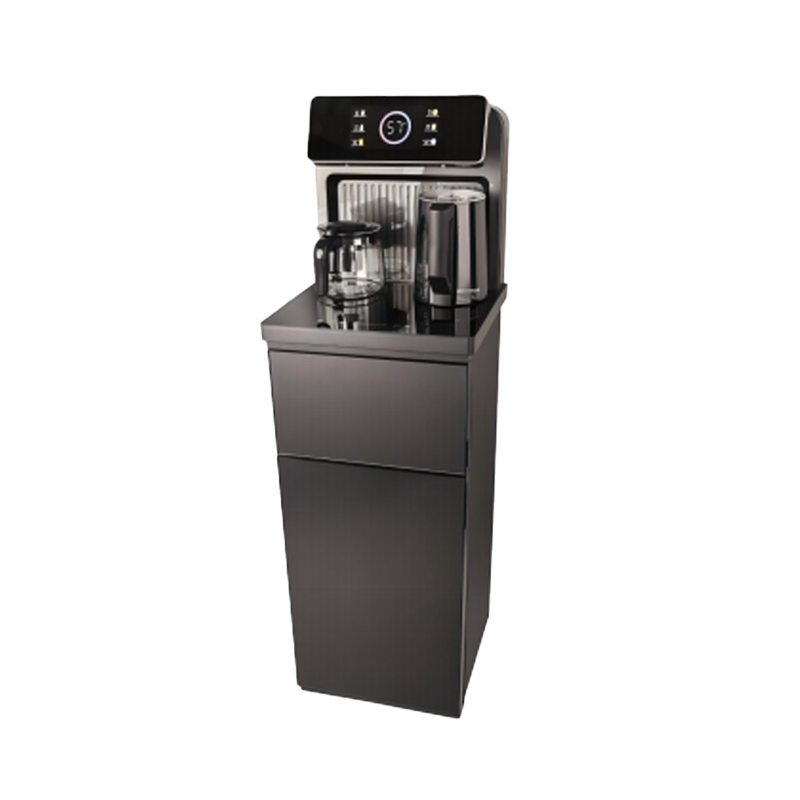
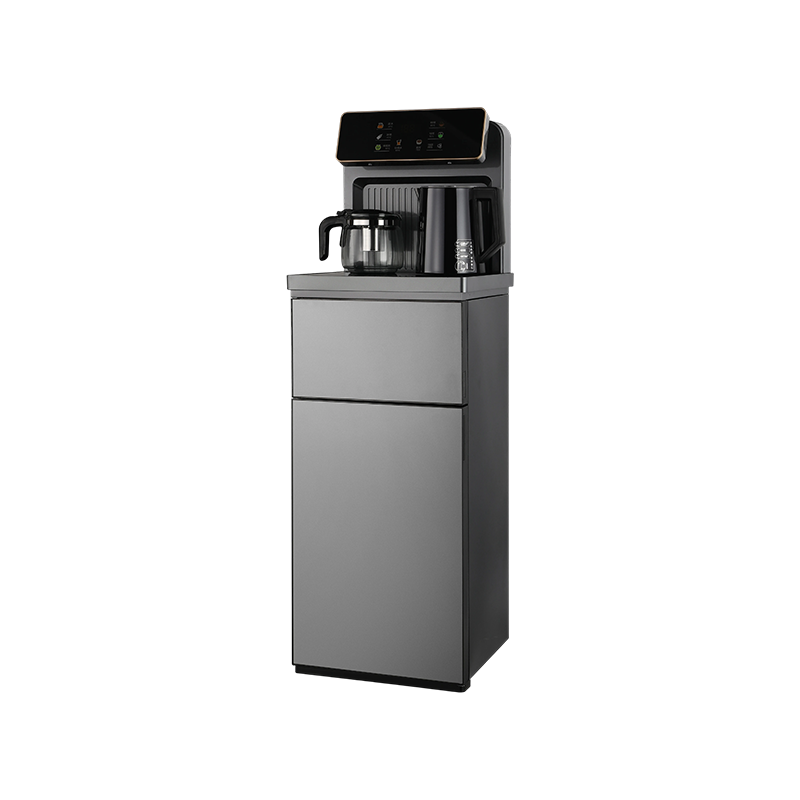
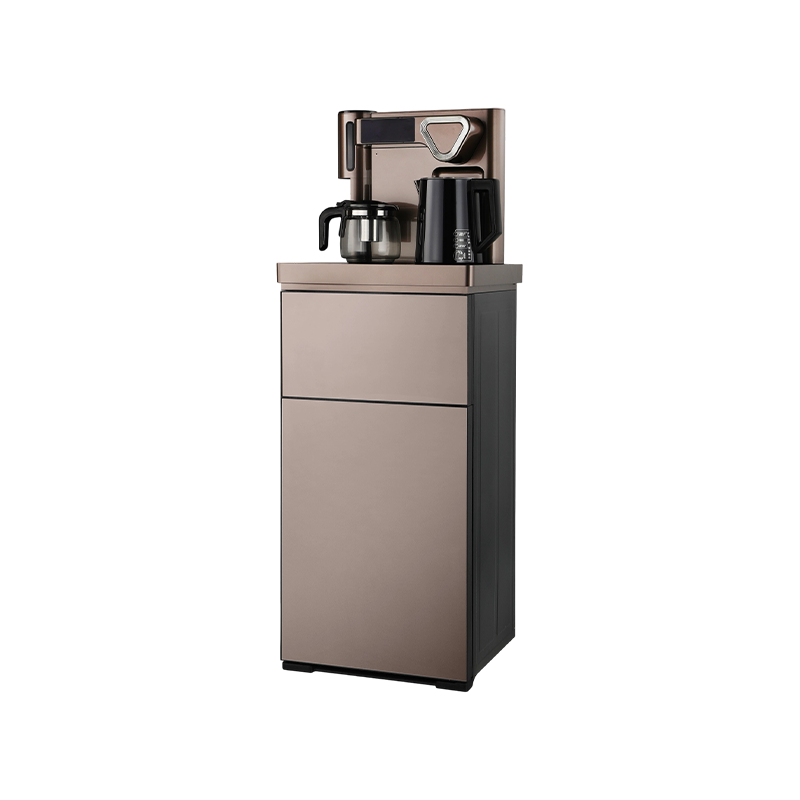
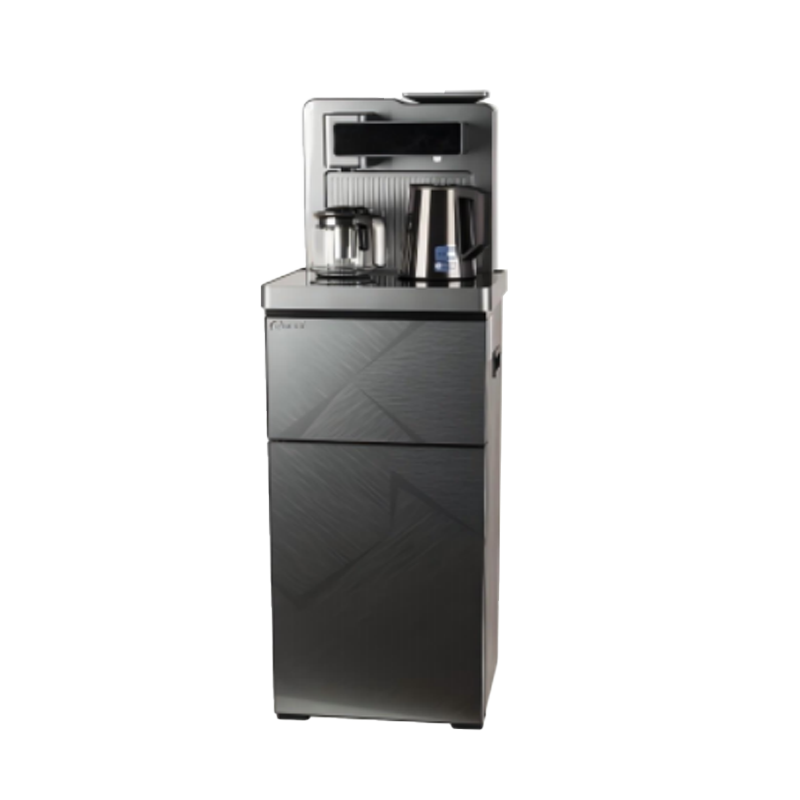
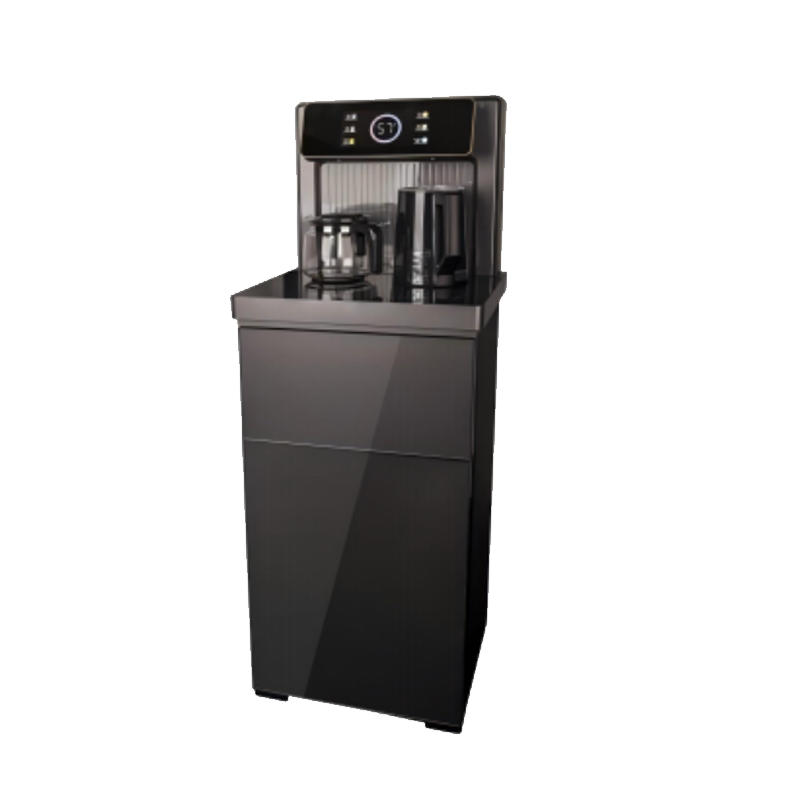
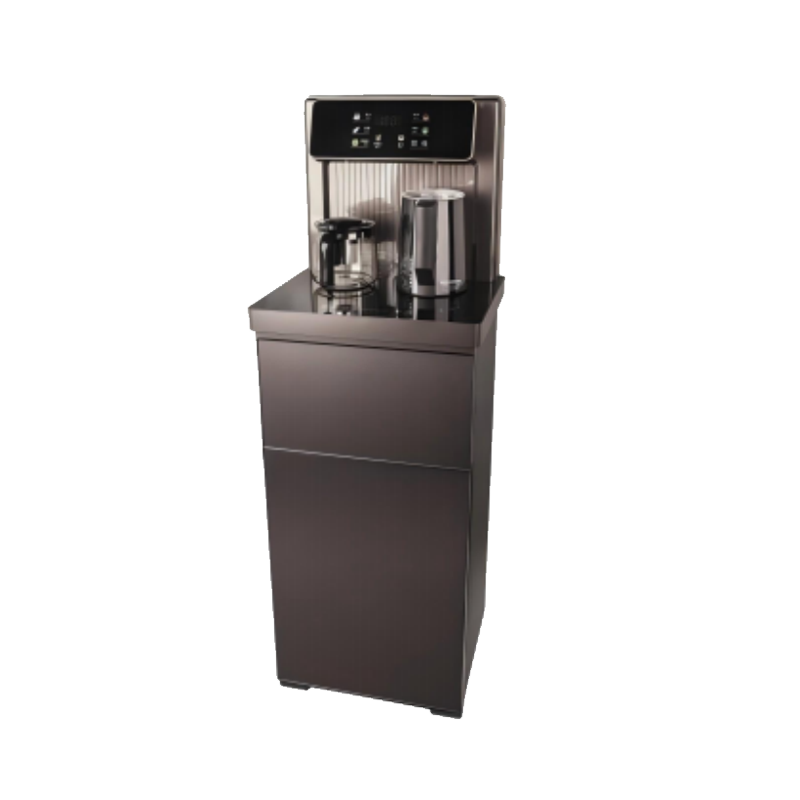
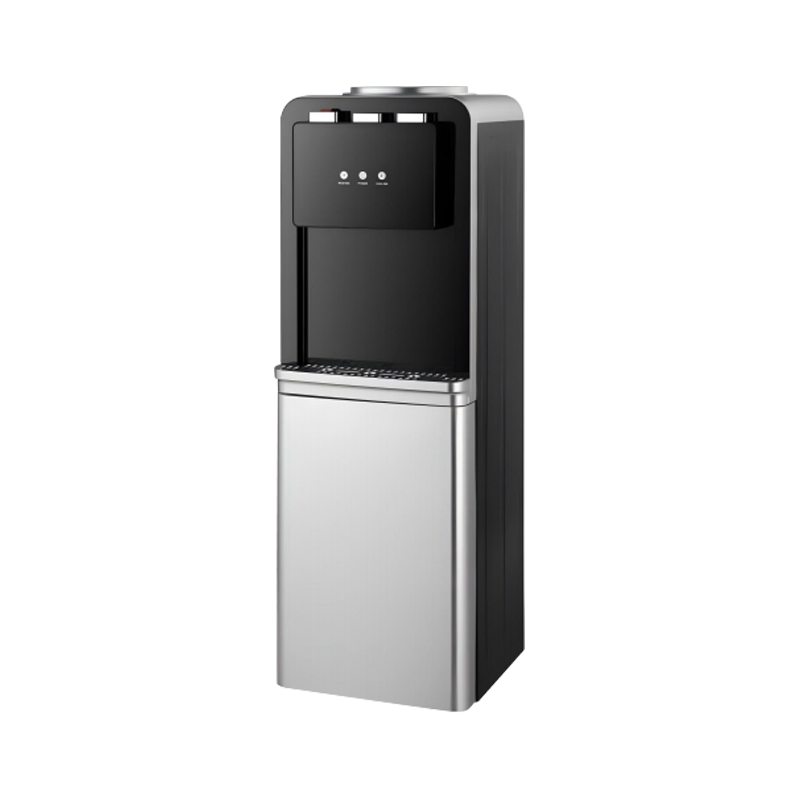
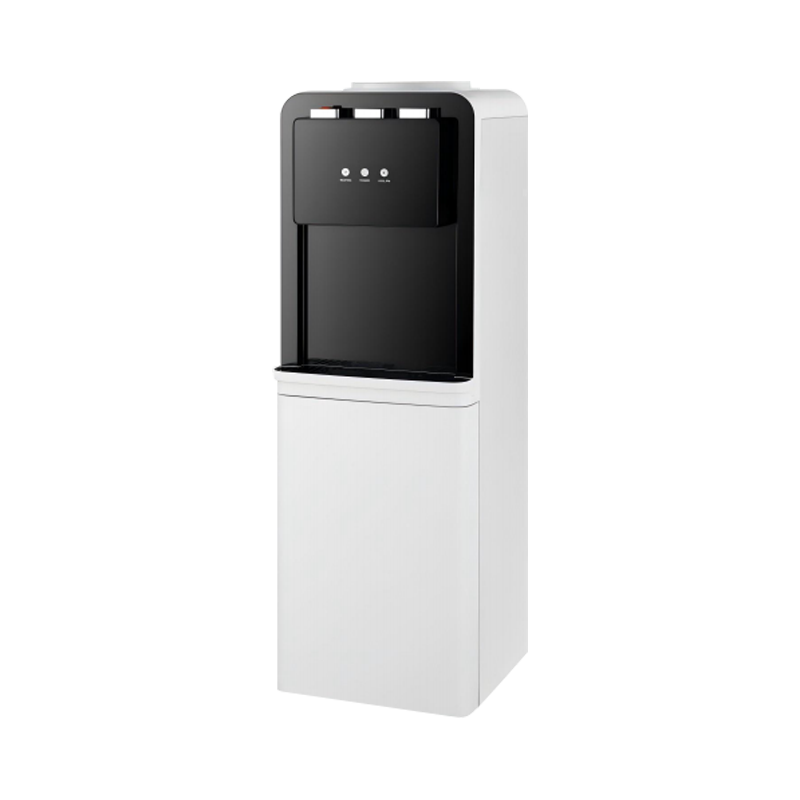
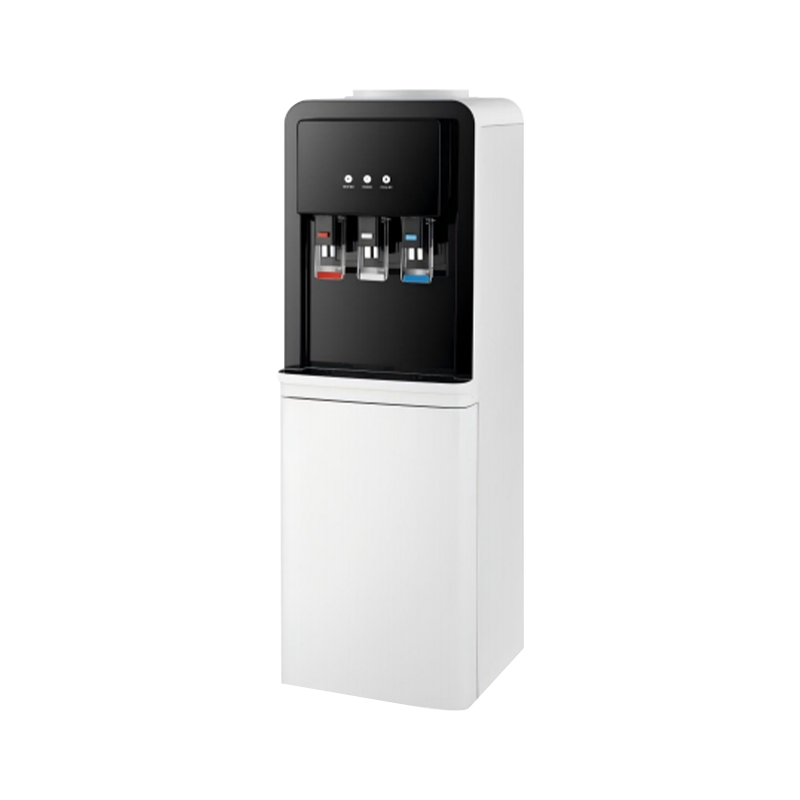
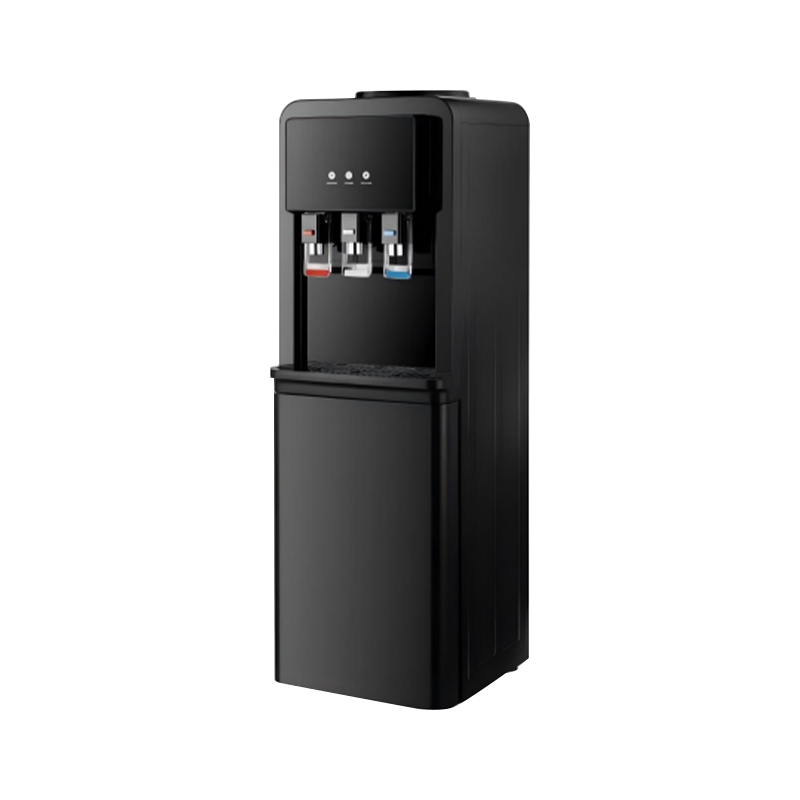
This water dispenser can, when you are thirsty, give you quick refreshment in daily life with its good system for changing water temperature. This water dispenser has two power options: 500W to heat water fast and 70W to cool water, so it can meet what you need for water temperature all day. It has a nice, modern look and is small, so it fits well in kitchens, offices or living rooms.​
This water dispenser has a big water tank, plus a 3L cooling tank and a 1L heating tank. This lets you get water at different temperatures right away when you are thirsty.
.

About Us
NINGBO FASHIDA APPLIANCE TECHNOLOGY CO., LTD.

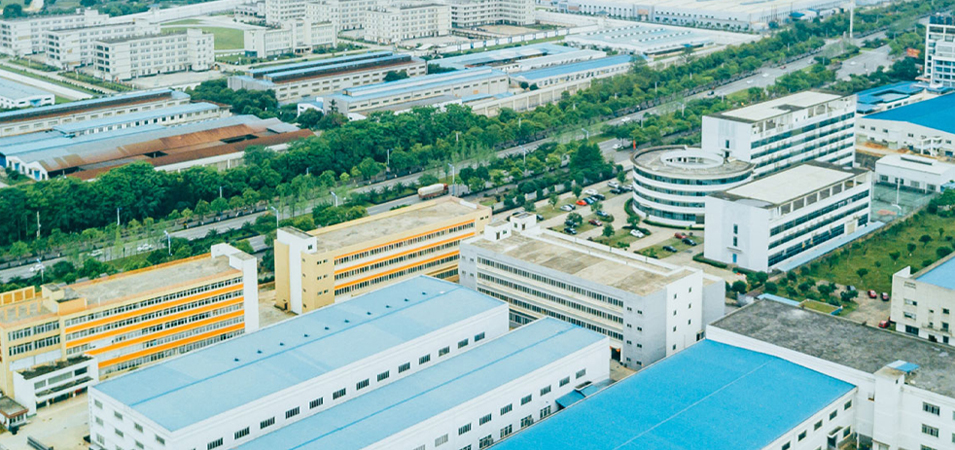
As China Smart Water Dispenser Manufacturers and Water Dispenser Factory, Ningbo Fashida Appliance Technology Co., Ltd. is a leading manufacturer of small household appliances, with its headquarters located in Cixi, the home appliance capital of China. Since 2007, we have been committed to providing high-quality products such as heaters, water dispensers, fans, etc. Due to our strategic location and strong R&D capabilities, we have established a trusted reputation in the global market for reliability, innovation and efficiency. Influence: Ningbo Fashida Appliance Technology Co., Ltd. serves customers worldwide, delivering appliances that combine innovation, efficiency, and reliability. By leveraging our advanced manufacturing capabilities and rigorous quality control, we ensure our products meet the diverse needs of markets across the globe. We are proud to be a leader in the household appliance industry, providing exceptional products that enhance everyday living. Located in Cixi City, Ningbo, known as the hometown of small household appliance manufacturing, our company benefits from its strategic position near Hangzhou Bay, with easy access to major hubs such as Ningbo Port, Shanghai, and Hangzhou.

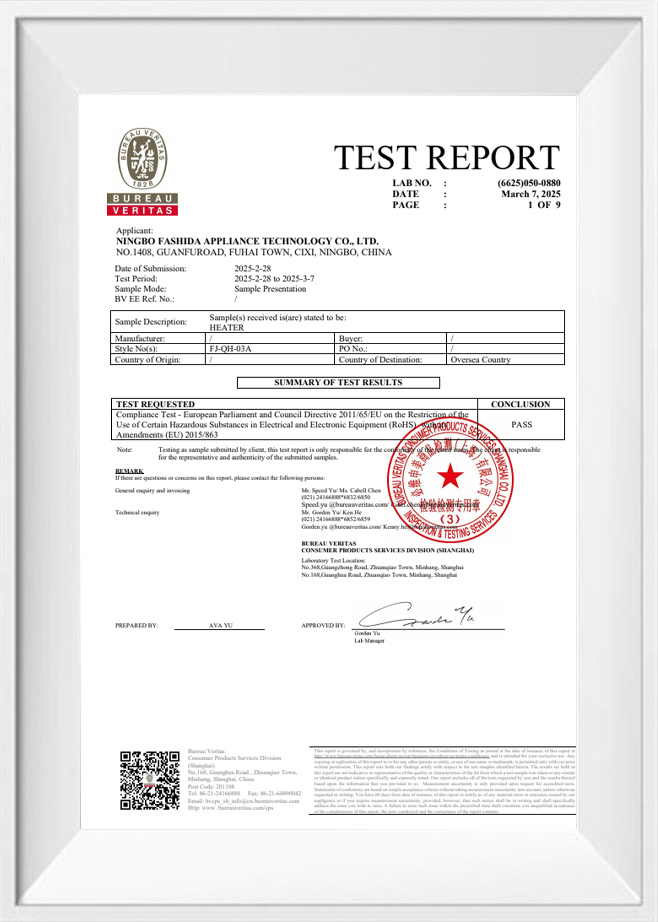
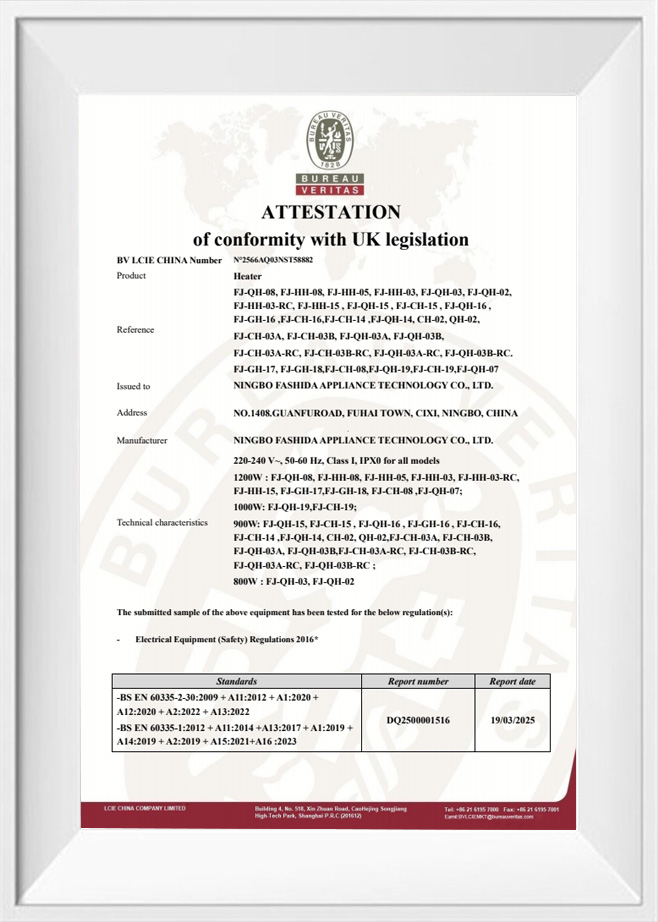
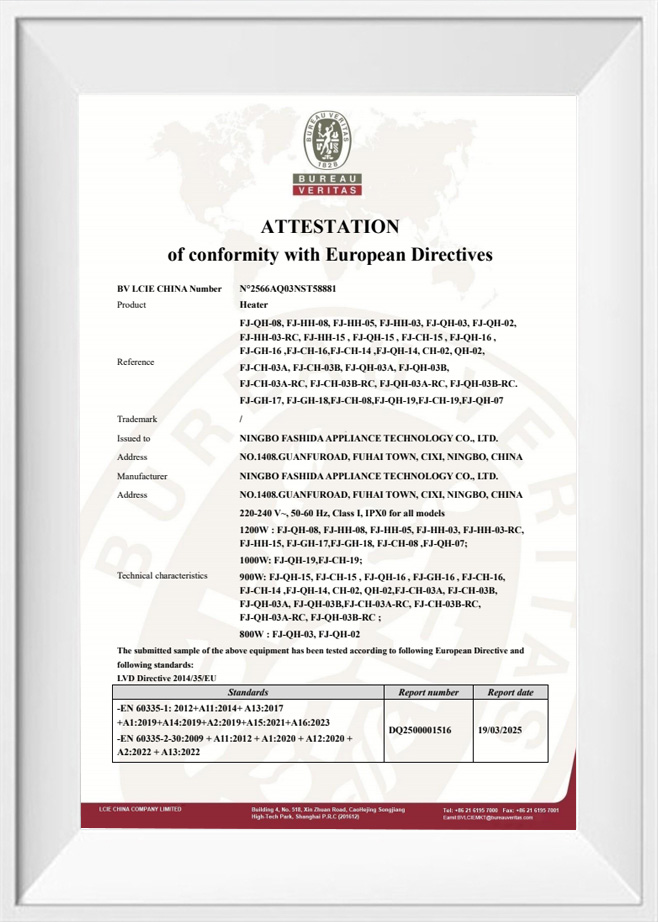
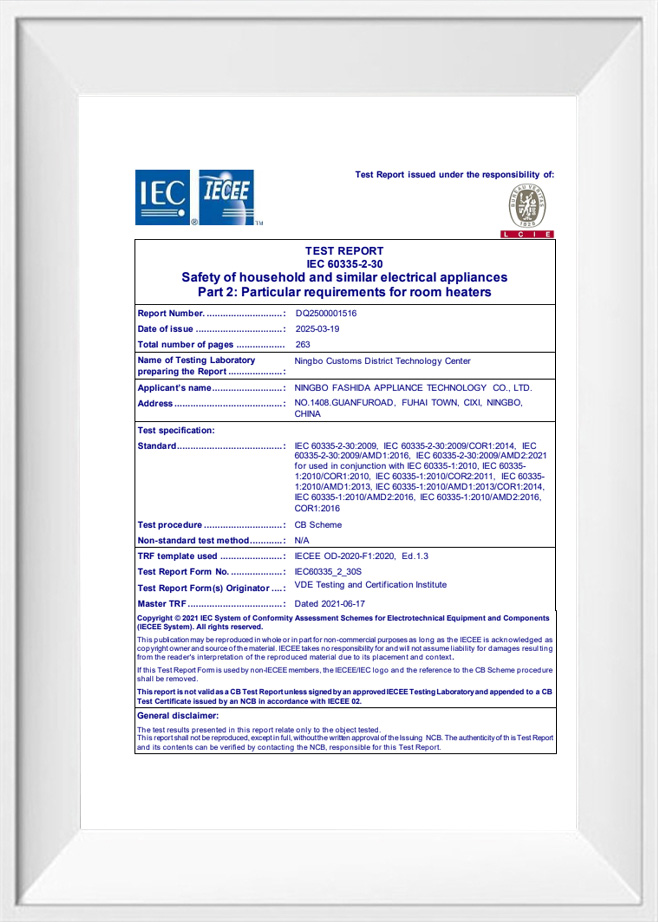
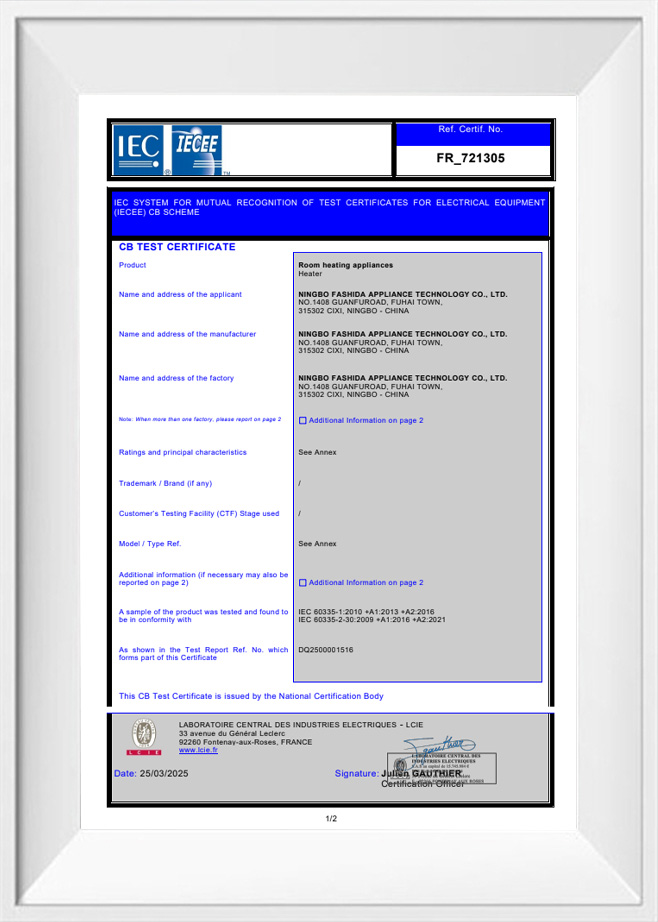
Certificate of Honor
News
  • Investing in a tea bar machine can be a game changer for your café or restaurant. With its ability to brew tea quickly, efficiently, and consistently, a tea bar machine helps elevate both the quality of your offerings and the experience for your customers. 1. Enhanced Tea Quality and Consistency Consistency is Key One...

    READ MORE
  • The Electric Fan Heater is a common portable heating device favored for its instant-on, instant-heat characteristic. A central question is: can a fan heater really warm an entire room effectively? The answer is yes, but its performance depends on several critical factors, while its operational efficiency stems from its...

    READ MORE
  • Introduction to Portable Industrial Air Coolers As temperatures rise, keeping large spaces cool and comfortable can become a challenge, especially in industrial and commercial settings. Traditional air conditioning systems may be too costly or impractical, while fans may lack the cooling power needed for larger areas. ...

    READ MORE
Water Dispenser Industry knowledge

Is the Filtration Performance of the Smart Water Dispenser Certified?

Importance of Filtration Certification in Smart Water Dispensers

Filtration certification plays an important role in evaluating the safety and quality of drinking water produced by smart water dispensers. As the demand for clean and convenient water solutions continues to grow globally, consumers rely on certification systems to determine whether a water dispenser meets accepted performance standards. For manufacturers such as NINGBO FASHIDA APPLIANCE TECHNOLOGY CO., LTD., which has specialized in producing household appliances including water dispensers, heaters, and fans since 2007, certified filtration performance reflects the company’s commitment to reliable product development. Located in Cixi, China’s appliance capital, FASHIDA integrates research and engineering capabilities to ensure that filtration systems used in smart water dispensers adhere to relevant international guidelines. Certification helps demonstrate that the filtration process is tested, documented, and validated, giving users confidence when adopting the product for long-term household use.

Common Certification Standards Used in Water Filtration Technology

Smart water dispensers typically incorporate filtration systems that are evaluated through recognized standards, which may involve testing the reduction of contaminants, flow rate consistency, structural integrity, and filter material safety. Many global markets reference standards such as NSF/ANSI certifications, food-grade material compliance, and country-specific drinking water guidelines. These standards assess whether filters effectively reduce impurities such as chlorine, sediment, organic compounds, or metal ions. For a company like NINGBO FASHIDA APPLIANCE TECHNOLOGY CO., LTD., adopting internationally accepted filtration standards supports market expansion and helps ensure consistent performance in different regions. Certification details vary depending on the filtration technology used, such as activated carbon filtration, composite filtration, or multilayer purification modules. The certification process typically includes laboratory testing, material verification, and periodic review to maintain validity. These measures establish an objective reference point for evaluating the safety of water processed by smart water dispensers.

How Certification Applies to Smart Water Dispensers

Smart water dispensers integrate technology with water purification components, combining features such as real-time monitoring, digital indicators, and temperature control. For filtration performance, certification ensures that the water passing through these systems maintains consistent quality. Many smart models include multiple filter stages, each responsible for targeting different types of impurities. Certification confirms that these filters perform as described, and that the dispenser’s structure supports hygienic operation. NINGBO FASHIDA APPLIANCE TECHNOLOGY CO., LTD. emphasizes product stability and user-oriented design, enabling the filtration modules in its smart water dispensers to meet industry expectations. Certifications help verify the filter lifespan, purification accuracy, and material compliance of the internal components. For consumers, certification provides assurance that the smart dispenser maintains safe water output even during long-term use. For manufacturers, it reinforces the reliability of their engineering processes and helps align the product with import and distribution guidelines in overseas markets.

Comparison of Certified and Uncertified Filtration Systems

To better understand the role of certification, the table below highlights the key differences between certified and uncertified filtration systems. These differences reflect the factors that influence product selection, maintenance expectations, and overall user confidence.

Category Certified Filtration System Uncertified Filtration System
Performance Verification Validated through recognized standards No third-party verification
Material Safety Materials tested for water contact Material compliance not guaranteed
Contaminant Reduction Tested for specific reduction efficiency Performance may vary
Consumer Confidence Higher due to documented testing Dependent on brand reputation alone
Market Access Meets requirements for multiple regions May be restricted in global markets

Certification Methods Used in FASHIDA Smart Water Dispensers

As a long-established manufacturer in Cixi, NINGBO FASHIDA APPLIANCE TECHNOLOGY CO., LTD. incorporates filtration systems designed to meet rigorous standards for household water purification. The company evaluates filter materials, structural components, and assembly processes to determine compliance with applicable certification requirements. During development, FASHIDA’s R&D team selects filtration media that can support stable performance while meeting safety criteria for potable water contact. This includes activated carbon elements, microporous membranes, and composite filter layers. Certification ensures that these components are tested for efficiency, mechanical strength, and hygiene. Smart water dispensers produced by FASHIDA also integrate technology that monitors filter status, helping users replace cartridges at the appropriate intervals. This contributes to maintaining consistent water quality and ensures that the filtration system continues to operate within its certified standards throughout its service life.

Long-Term Benefits of Using a Certified Filtration System

Filtration certification helps improve long-term reliability for households using smart water dispensers. Certified systems undergo durability testing, which evaluates how filter materials perform under continuous water flow, temperature variations, and routine user operation. For manufacturers like FASHIDA, providing certified filtration adds value for customers who expect dependable performance in daily use. It also helps simplify maintenance because users can follow standardized replacement cycles based on validated test procedures. Certification supports product transparency by offering clear information on what contaminants the filter can reduce and how long the filter is expected to function effectively. For global markets, certified filtration systems align with regulatory expectations, allowing the smart water dispensers to be distributed internationally. This combination of safety verification, operational stability, and structural reliability contributes to the adoption and long-term trust of certified smart water dispensers in both residential and commercial environments.

Does the Smart Water Dispenser Use a Low-Energy Heating System?

Concept of Low-Energy Heating in Smart Water Dispensers

Low-energy heating systems are increasingly integrated into modern smart water dispensers to reduce electricity consumption while maintaining stable heating performance. For manufacturers such as NINGBO FASHIDA APPLIANCE TECHNOLOGY CO., LTD., which has been producing household appliances since 2007 in Cixi, China’s appliance capital, adopting efficient and well-engineered heating technologies aligns with their focus on reliable and user-oriented product development. As the global market demands appliances that balance convenience with energy conservation, low-energy heating modules have become a common feature within advanced water dispenser designs. These systems aim to reduce heat loss, improve thermal efficiency, and ensure that water is warmed only when needed, thereby lowering overall power usage during daily operation. Their presence also helps support long-term operating cost savings for consumers while contributing to environmentally responsible appliance design.

Heating Technologies Commonly Used in Smart Water Dispensers

A smart water dispenser may incorporate several types of heating technologies, each designed to minimize unnecessary power consumption. Instant heating modules, insulated hot water tanks, and temperature-controlled heating circuits are among the frequently used technologies. Instant heating systems warm water only at the point of use, reducing standby energy consumption. Insulated tanks, on the other hand, retain heat efficiently to limit the frequency of reheating cycles. Temperature sensors and control circuits monitor water temperature in real time and adjust the heating load accordingly, helping the system operate with balanced energy usage. Companies like NINGBO FASHIDA APPLIANCE TECHNOLOGY CO., LTD. leverage research and development capabilities to select heating components that support long-term stability and efficient output, ensuring that the dispenser remains functional under varied usage patterns. These technologies work together to improve the overall thermal management of the water dispenser while lowering its daily energy requirements.

Energy Consumption Characteristics of Low-Energy Heating Systems

A low-energy heating system aims to reduce energy use without compromising user experience or heating consistency. The system optimizes the heating cycle by limiting unnecessary reheating and improving insulation performance. Continuous monitoring of water temperature helps the system determine when to activate or deactivate the heater, avoiding energy waste. Low thermal mass heating elements can also respond quickly to temperature adjustments, reducing the duration of heating cycles. From a manufacturing perspective, NINGBO FASHIDA APPLIANCE TECHNOLOGY CO., LTD. evaluates heating components for their reliability, temperature response efficiency, and compatibility with smart control circuits. By integrating these systems into their smart water dispensers, the company ensures that users benefit from controlled energy consumption supported by stable heating performance. Energy consumption levels also depend on tank size, heating method, and frequency of use, all of which influence the long-term energy profile of the dispenser.

Comparison Between Standard and Low-Energy Heating Systems

Understanding the difference between standard heating modules and low-energy systems provides insight into how energy efficiency is achieved in smart water dispensers. The table below summarizes several key distinctions between the two types of systems.

Category Low-Energy Heating System Standard Heating System
Heating Method Instant or optimized heating cycles Continuous or frequent reheating
Energy Usage Reduced through controlled operation Higher due to standby heating
Temperature Control Precise sensors with smart adjustments Basic thermostatic control
Heat Retention Enhanced with insulation Moderate insulation depending on model
Long-Term Operating Cost Lower due to energy savings Higher under regular use

Role of Smart Control in Supporting Low-Energy Heating

Smart control systems help manage energy consumption by adjusting heating cycles based on user habits and real-time temperature requirements. Sensors detect water temperature, usage frequency, and tank conditions to optimize when the heating element should be active. For manufacturers such as NINGBO FASHIDA APPLIANCE TECHNOLOGY CO., LTD., integrating electronic control modules enhances the stability of heating performance while reducing unnecessary electricity use. The smart control system also helps maintain consistent water temperature without requiring high power loads, especially during periods of lower demand. This approach aligns with global energy efficiency trends, allowing smart water dispensers to operate for extended periods while maintaining balanced electricity usage. Smart controls also support additional functions such as energy-saving modes, nighttime operation settings, and automatic standby functions that further reduce power consumption.

Material and Structural Elements that Improve Heating Efficiency

The physical design of the smart water dispenser also contributes to the effectiveness of a low-energy heating system. Insulated inner tanks reduce the rate of heat dissipation, allowing the heater to remain inactive for longer durations. High-quality heating elements improve thermal transfer efficiency, enabling the system to heat water quickly while using less power. NINGBO FASHIDA APPLIANCE TECHNOLOGY CO., LTD. incorporates materials selected for durability, hygiene, and thermal retention, ensuring that the structural components support consistent heating performance. Additional elements such as heat-resistant internal coatings, optimized pipeline flow paths, and compact tank geometry also affect the efficiency of the heating process. By maintaining stable heat transfer conditions and limiting unnecessary thermal loss, the overall energy profile of the dispenser is improved. This integration of material selection and structural engineering enhances the operation of low-energy heating systems.

Long-Term Benefits of Using a Low-Energy Heating System in Smart Water Dispensers

A smart water dispenser equipped with a low-energy heating system offers several long-term advantages for households and commercial environments. The reduction in electricity usage contributes to lower daily operating costs. Improved heating stability enhances user comfort, especially in applications that require frequent access to warm or hot water. For NINGBO FASHIDA APPLIANCE TECHNOLOGY CO., LTD., offering low-energy heating functions strengthens product competitiveness and demonstrates commitment to energy-conscious appliance design. Long-term reliability is supported by reduced heating stress on internal components, which may help extend the lifespan of the dispenser. Certified or energy-verified components may also facilitate entry into markets that enforce strict efficiency requirements. As consumers increasingly prioritize energy-conscious appliances, low-energy heating systems form an important element of modern smart water dispenser technology, balancing convenience with controlled electricity consumption.