Are Electric Fan Heaters Truly Energy-Efficient? The Short Answer
Electric fan heaters convert 100% of consumed electricity into heat — making them technically 100% efficient. However, "energy-efficient" in practical terms means something different: how much it costs to run, and whether it's the right tool for your heating need. A typical 2kW electric fan heater costs around $0.60–$0.80 per hour to run (at a US average electricity rate of ~$0.16/kWh), compared to a gas central heating system that may cost far less per hour for the same warmth. So while no energy is wasted in the conversion process, electric fan heaters can be expensive if used as a primary heat source — but highly cost-effective for short-burst, spot heating in a single room.
How Electric Fan Heaters Work
An electric fan heater uses a heating element (usually nichrome wire or a ceramic PTC element) to generate heat, and a fan to rapidly circulate that warm air across the room. Because the fan disperses heat quickly, the room warms up faster than with a radiant or oil-filled heater.
Key components:
- Heating element — converts electrical energy to heat (100% efficiency)
- Fan motor — draws a small additional wattage (typically 10–30W) to push air
- Thermostat — cycles the heater on/off to maintain a target temperature
- Overheat protection — a safety cutoff if internal temp gets too high
Because all consumed electricity becomes heat, there is zero "waste" in the conversion — unlike combustion heaters which lose some energy through flue gases.
Understanding Running Costs: The Real Numbers
Running cost depends on three variables: wattage × hours used × electricity rate. Here's how common fan heater sizes break down at the US average electricity price of $0.16/kWh and the UK average of £0.24/kWh:
| Heater Wattage |
Cost per Hour (US $0.16/kWh) |
Cost per Hour (UK £0.24/kWh) |
Cost per 8-Hour Day (US) |
| 750W |
$0.12 |
£0.18 |
$0.96 |
| 1000W (1kW) |
$0.16 |
£0.24 |
$1.28 |
| 1500W (1.5kW) |
$0.24 |
£0.36 |
$1.92 |
| 2000W (2kW) |
$0.32 |
£0.48 |
$2.56 |
| 3000W (3kW) |
$0.48 |
£0.72 |
$3.84 |
Running cost estimates based on continuous operation. Actual costs may be lower if a thermostat cycles the heater on/off.
Real-world example: If you use a 2kW fan heater for 3 hours each evening during a 90-day winter, your total cost would be approximately $86.40 (US) or £129.60 (UK) for the season — compared to a comparable gas heating bill that might cost 40–60% less for the same warmth.
Electric Fan Heater vs. Other Heater Types: Efficiency Compared
Not all heaters are created equal. Here's how electric fan heaters stack up against common alternatives across key performance dimensions:
| Heater Type |
Heat-Up Speed |
Energy Conversion |
Best Use Case |
Avg. Running Cost/hr |
| Electric Fan Heater |
Very Fast (1–2 min) |
100% |
Short bursts, spot heating |
$0.12–$0.48 |
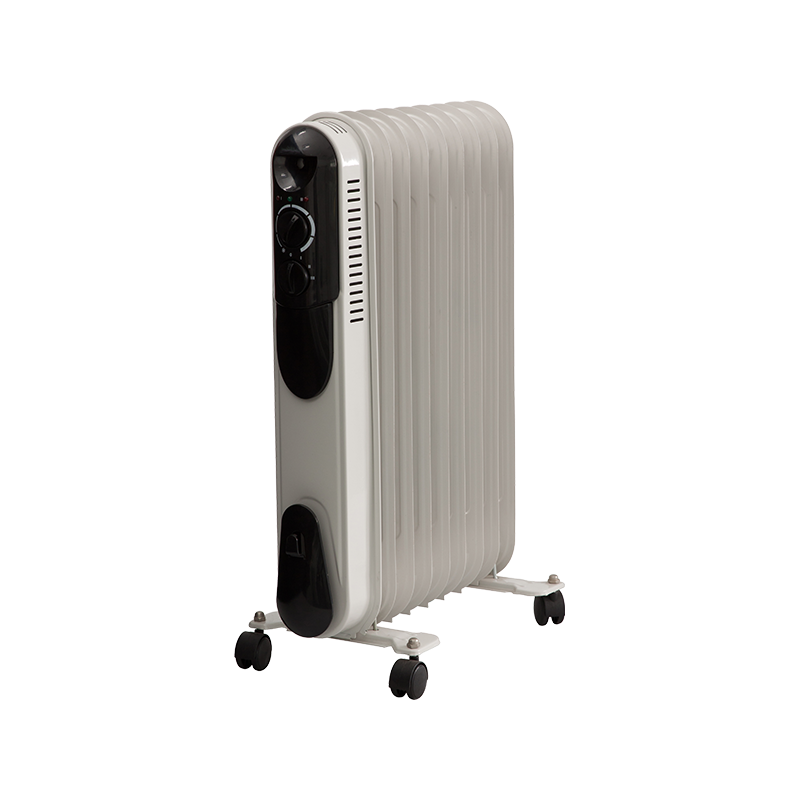
| Oil-Filled Radiator |
Slow (15–30 min) |
100% |
All-day room heating |
$0.10–$0.24 |
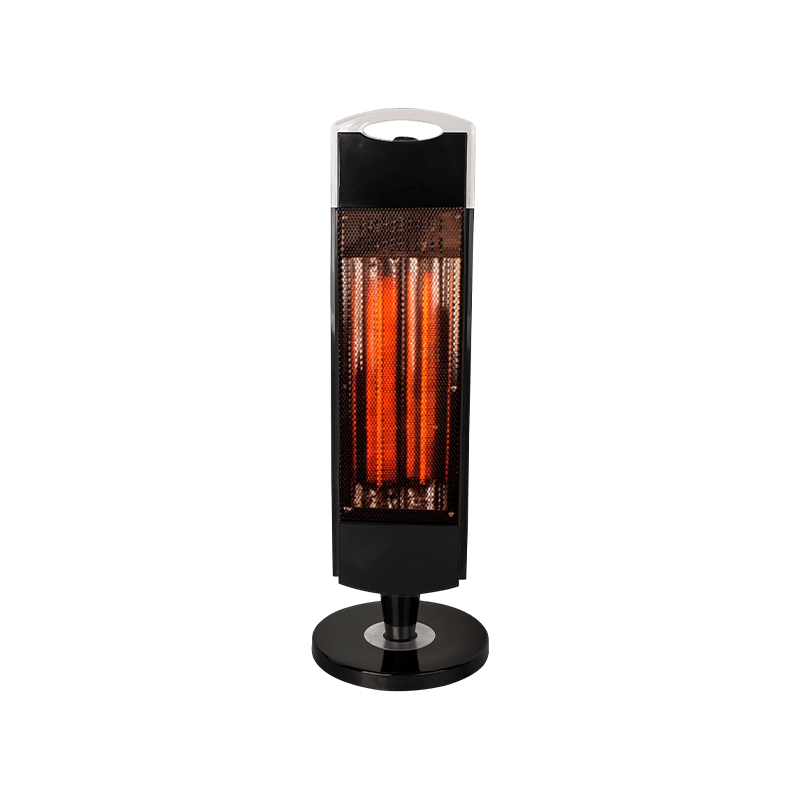
| Infrared / Radiant Heater |
Instant |
100% |
Outdoor / targeted body heat |
$0.10–$0.32 |
| Heat Pump (Mini-Split) |
Moderate (5–10 min) |
250–400% (COP 2.5–4) |
Whole-room / whole-home |
$0.05–$0.15 |
| Gas Central Heating |
Moderate |
80–95% |
Whole-home heating |
$0.04–$0.12 |
Comparison of common heater types by speed, efficiency, and typical hourly running cost (US rates).
The key takeaway: heat pumps deliver 2.5–4x more heat per dollar spent than any resistance heater. If long-term running cost is the priority, a heat pump wins. But for upfront cost and immediate warmth, fan heaters remain competitive.
When an Electric Fan Heater Is the Smart Choice
Despite higher per-hour running costs compared to central heating, electric fan heaters make clear financial sense in specific situations:
- Zone heating: Heating one room instead of the whole house. If your home has 8 rooms and you only occupy 1, running a 2kW fan heater is far cheaper than heating the entire building.
- Short sessions: A home office used for 2–3 hours. Warming up fast then switching off keeps costs minimal.
- Rental properties or temporary spaces: No installation needed, low upfront cost (~$20–$80), plug-and-play convenience.
- Supplemental heating: Boosting warmth in one cold spot while central heating handles the rest.
- Mild climates: Where heating is only needed for a few weeks per year, running cost is negligible.
5 Practical Tips to Reduce Your Fan Heater Running Costs
You can significantly cut costs without sacrificing comfort by following these strategies:
- Use the thermostat: Set the target temperature instead of running the heater on full blast continuously. A heater cycling between on/off at 20°C uses far less energy than one running flat out.
- Choose the right wattage: A 750W or 1kW setting is often sufficient for small rooms under 120 sq ft. You don't always need the 2kW max setting.
- Seal the room: Close doors and windows. Drafts force the heater to work harder. A draught excluder under the door can cut heat loss by up to 15%.
- Use a timer: Pre-warm the room 10–15 minutes before you need it, then let retained heat do the work. Many modern fan heaters include a built-in 24-hour timer.
- Position strategically: Place the heater where warm air can circulate freely. Avoid putting it in a corner or behind furniture, which blocks airflow and reduces effectiveness.
What to Look for When Buying an Energy-Efficient Fan Heater
Not all fan heaters are equal when it comes to maximizing value. Prioritize these features:
Ceramic PTC Element vs. Nichrome Wire
Ceramic PTC (Positive Temperature Coefficient) heaters are safer and more self-regulating than traditional nichrome wire models. As the ceramic element heats up, its resistance increases, automatically reducing power draw — a built-in efficiency feature that prevents overheating.
Key Features Checklist
- Adjustable thermostat — essential for cycling control
- Multiple heat settings (e.g., 750W / 1500W) — flexibility to use less power when a lower setting suffices
- Built-in timer — automates on/off scheduling
- Overheat and tip-over auto-shutoff — critical safety features
- Energy-saving or ECO mode — some models reduce output dynamically based on room temperature
- Low noise level — under 45dB for bedroom-safe use
The Bottom Line: Is an Electric Fan Heater Energy-Efficient?
Yes — in terms of energy conversion, electric fan heaters are 100% efficient. No, if you compare the running cost per unit of heat versus gas or heat pump systems. The distinction matters enormously depending on your use case.
If you need fast, flexible, low-upfront-cost heating for a single room used intermittently, an electric fan heater delivers excellent value. If you're heating a large space for extended periods every day, your money is better spent on a heat pump or well-insulated central heating system.
Use the running cost formula as your guide: Wattage (kW) × Hours × Electricity Rate = Cost. Plug in your own numbers and let the math make the decision.



 English
 中文简体
中文简体