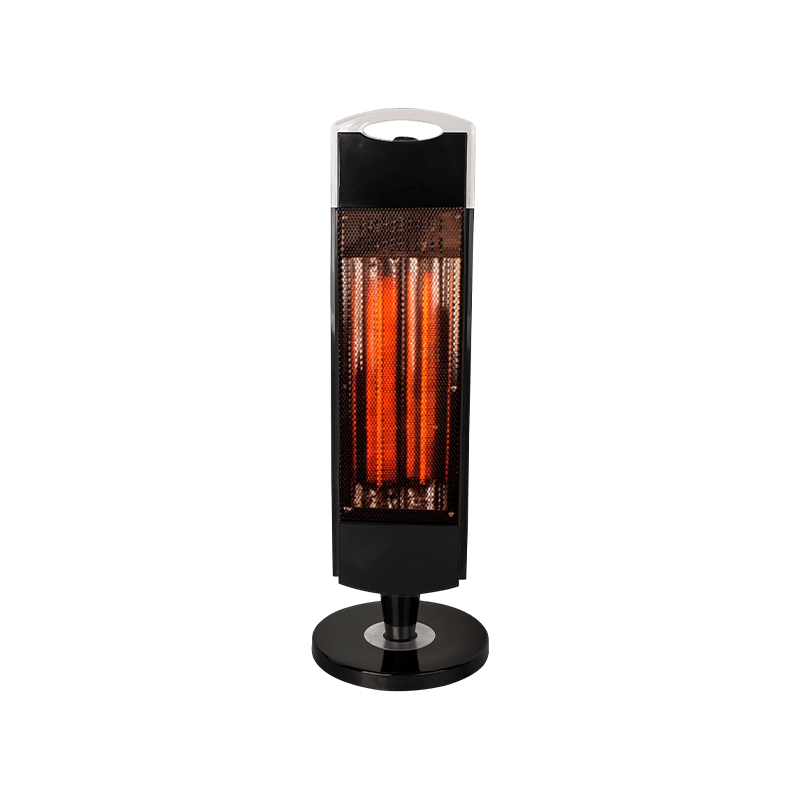
The Direct Answer: Can You Leave a Fan Heater On for 24 Hours?
Technically, most modern electric fan heaters can run continuously — but doing so is not recommended, and in many cases is explicitly warned against by manufacturers. The vast majority of electric fan heater manuals include a statement such as "do not leave unattended" or "not intended for continuous use." Running one for 24 hours straight raises real risks: overheating, electrical faults, fire hazards, and significantly higher energy bills. That said, the level of risk depends heavily on the heater's age, build quality, safety features, and how it is positioned and maintained.
Why People Consider Running a Fan Heater Around the Clock
Before addressing the risks, it helps to understand the common scenarios where people feel the need for continuous heating:
- Keeping a baby's room or elderly person's room at a stable temperature overnight
- Heating a room with no central heating or where central heating has broken down
- Preventing pipes from freezing in very cold weather
- Working from home in a cold office for an extended day
- Using the heater in a garage, shed, or poorly insulated space that cools rapidly
These are understandable use cases — but each has safer alternatives, which we'll cover later in this guide.
The Real Risks of Running a Fan Heater for 24 Hours
1. Fire Hazard from Overheating
Electric fan heaters generate significant heat in a compact housing. Over extended periods, internal components — including the heating element, wiring, and plastic casing — can degrade or overheat. According to the U.S. Consumer Product Safety Commission (CPSC), portable electric heaters are involved in approximately 1,700 home fires annually, causing an estimated 80 deaths and 160 injuries. The risk is highest when heaters run unattended for long periods.
2. Electrical Faults and Short Circuits
Continuous use puts prolonged stress on the heater's internal wiring, the plug, and the wall socket. Older heaters or those with worn cables are especially vulnerable. A heater drawing 2kW for 24 hours pulls 48kWh through a single circuit — sustained current that can cause plug sockets to overheat, particularly in older homes with aging wiring.
3. Dust Accumulation and Blocked Airflow
Fan heaters draw in room air across the heating element. Over time — and especially during a continuous 24-hour run — dust and lint accumulate on the element and internal grilles. A dust-coated heating element can reach temperatures high enough to ignite surrounding materials. This is one of the most common and preventable causes of heater fires.
4. Motor Fatigue
The fan motor is not designed for indefinite continuous operation. Running it for 24 hours can accelerate wear, reduce the motor's lifespan, and in some cheaper models, cause the motor to seize or overheat — triggering a secondary heat source inside the unit.
5. Reduced Indoor Air Quality
Fan heaters dry out the air significantly. Running one overnight in a sealed bedroom can push relative humidity below 30%, causing dry skin, irritated airways, and disrupted sleep. Prolonged low humidity can also dry out wooden furniture and flooring.
Safety Features That Reduce (But Don't Eliminate) the Risk
Modern fan heaters include safety mechanisms that make extended use significantly safer than older models. However, these features reduce risk — they do not make 24-hour continuous operation fully safe.
| Safety Feature |
What It Does |
Does It Make 24hr Use Safe? |
| Overheat protection (thermal cutoff) |
Shuts off heater if internal temp exceeds safe threshold |
Partially — reduces overheating risk |
| Tip-over auto-shutoff |
Cuts power if the unit is knocked over |
Partially — prevents contact fires |
| Adjustable thermostat |
Cycles heater on/off to maintain target room temperature |
Partially — reduces total run time |
| Cool-touch housing |
Outer casing stays cool to avoid burns or igniting nearby objects |
Partially — reduces surface fire risk |
| Built-in timer |
Automatically turns the heater off after a set period |
Yes — prevents true 24hr continuous use |
| Ceramic PTC element |
Self-regulates temperature; reduces risk of extreme overheating |
Partially — safer than nichrome wire |
Safety features common in modern fan heaters and their effectiveness for extended use scenarios.
Is It Safe to Leave a Fan Heater On Overnight While Sleeping?
No — leaving a fan heater running unattended while you sleep is not recommended by fire safety authorities. The UK's National Fire Chiefs Council (NFCC) and the U.S. Fire Administration both advise against sleeping with a portable heater running. The core problem is not just the heater itself — it's the combination of:
- No one awake to notice if something goes wrong
- Bedding, curtains, and clothing nearby that can ignite
- Reduced reaction time if a fire or fault does occur
- The room becoming dangerously dry and hot overnight
If you need warmth overnight, use the heater to warm the room before bed, then switch it off — or use a purpose-built, thermostat-controlled panel heater or oil-filled radiator which is better suited for overnight use.
How Much Does It Cost to Run a Fan Heater for 24 Hours?
Even setting safety aside, the running cost of a 24-hour session is a strong argument against it. Using the US average electricity rate of $0.16/kWh and the UK average of £0.24/kWh:
| Wattage |
kWh over 24 Hours |
Cost (US $0.16/kWh) |
Cost (UK £0.24/kWh) |
Monthly Cost at 24hr/day (US) |
| 1000W (1kW) |
24 kWh |
$3.84 |
£5.76 |
~$115 |
| 1500W (1.5kW) |
36 kWh |
$5.76 |
£8.64 |
~$173 |
| 2000W (2kW) |
48 kWh |
$7.68 |
£11.52 |
~$230 |
| 3000W (3kW) |
72 kWh |
$11.52 |
£17.28 |
~$346 |
Cost based on continuous full-power operation. Actual costs may be lower if a thermostat cycles the unit on and off.
Running a 2kW fan heater continuously for a full month would add approximately $230 to your electricity bill — far more than most central heating systems cost to run for the same period.
Safer Alternatives for Long-Duration or Overnight Heating
If you need continuous warmth without the risks of a running fan heater, these alternatives are better suited for extended or overnight use:
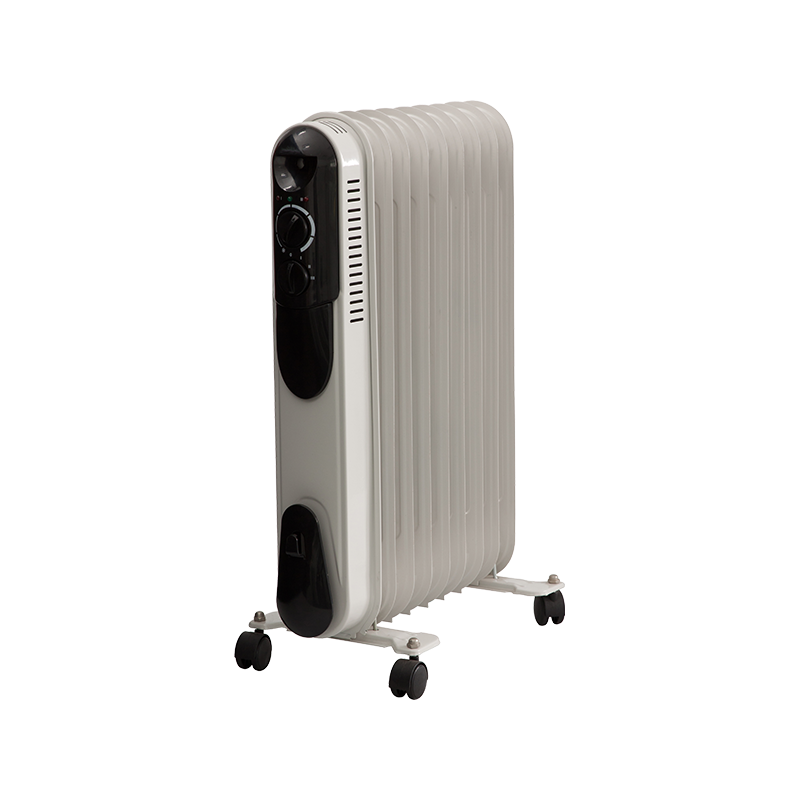
Oil-Filled Radiator
Oil-filled radiators have no exposed heating element or fast-moving fan. They heat thermal oil that radiates warmth slowly and steadily. They are widely considered the safest electric heater for overnight use, with a lower surface temperature, built-in thermostat, and no fire risk from dust ignition.
Panel or Convector Heater
Flat-panel electric heaters are wall-mountable, have no fan or moving parts, and include precise thermostatic controls. They are purpose-designed for background, low-level continuous heating and are commonly used in bedrooms and bathrooms.
Electric Blanket or Under-Mattress Pad
For keeping warm in bed specifically, an electric blanket uses a fraction of the energy (typically 60–100W) versus a 2kW room heater, and modern models have automatic shutoff after a set time.
Programmable Central Heating Thermostat
If central heating is available, setting it to a lower overnight temperature (e.g., 16–18°C / 61–64°F) is far safer and cheaper than running a portable heater all night.
If You Must Use a Fan Heater for Extended Periods: A Safety Checklist
If there is no alternative and you need to run a fan heater for a prolonged period, follow every one of these precautions:
- Keep a 1-metre (3-foot) clear zone around the heater — no curtains, bedding, clothes, or furniture nearby
- Place on a hard, flat, non-flammable surface — never on carpet if possible, and never on a rug
- Plug directly into a wall socket — never use an extension lead or power strip, which can overheat under sustained high load
- Clean the heater's grilles and filter before any extended use — remove dust with a dry cloth or soft brush
- Verify the thermostat is functioning — set a target temperature so the heater cycles rather than runs flat out
- Ensure tip-over and overheat protection are active — test by briefly tilting the unit to confirm auto-shutoff triggers
- Install a working smoke alarm in the same room
- Never leave children or pets unsupervised in a room with a running fan heater
The Verdict: 24 Hours Is Too Long — Here's What to Do Instead
Electric fan heaters are designed for short-to-medium sessions — typically up to 4–8 hours of supervised use at a time. Running one for a full 24 hours, especially overnight without supervision, creates unnecessary fire risk, accelerates component wear, dries out the air, and generates a substantial electricity bill.
The smarter approach is to use a fan heater for what it does best — rapid spot heating — and switch to an oil-filled radiator, panel heater, or programmable central heating for sustained overnight warmth. If you currently rely on a fan heater as your only heat source, it is worth investing in a purpose-built alternative for long-duration use.



 English
 中文简体
中文简体