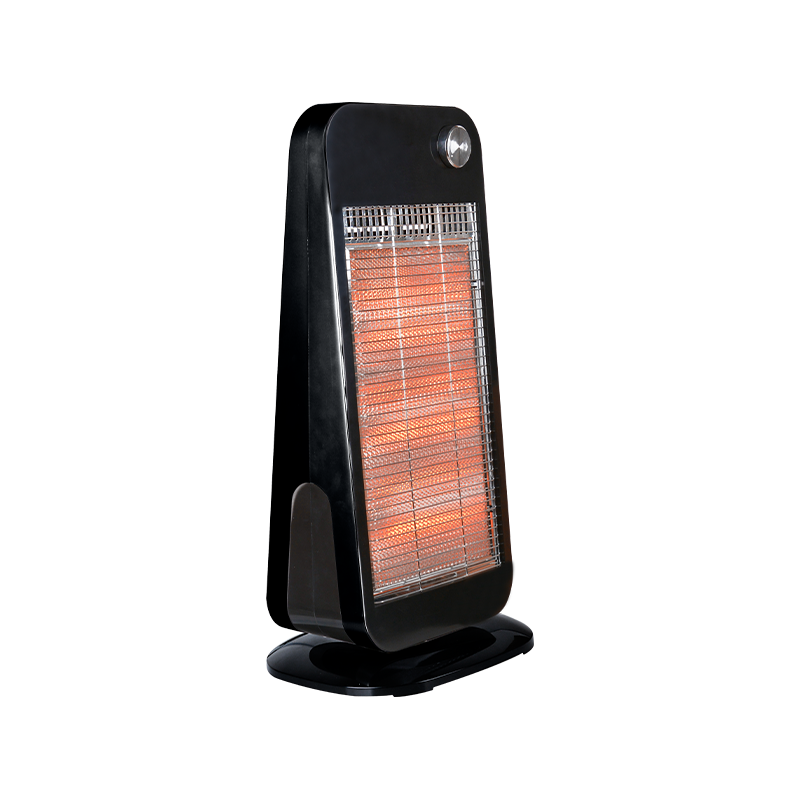
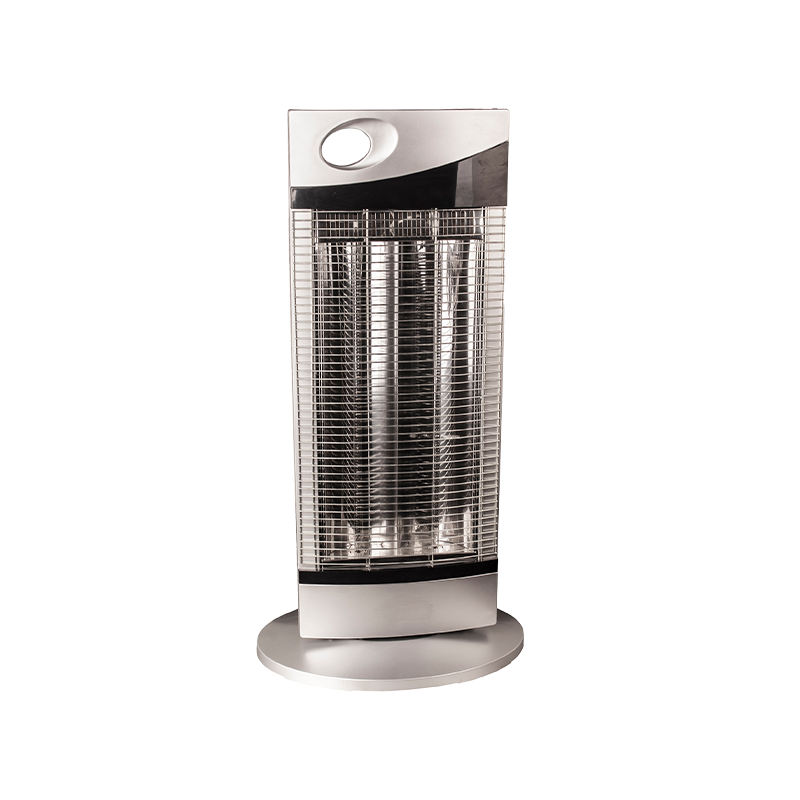
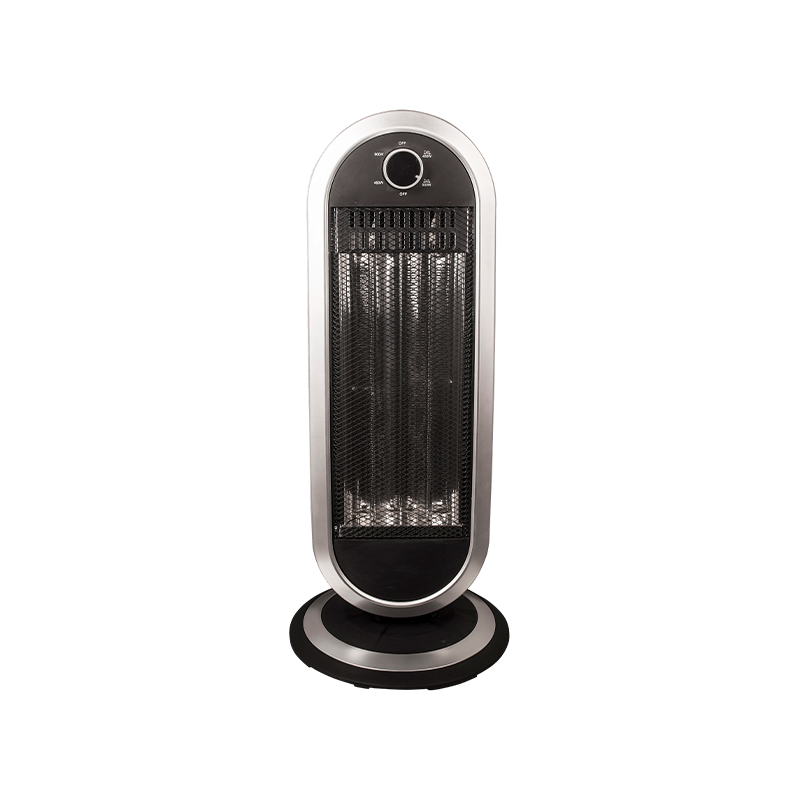
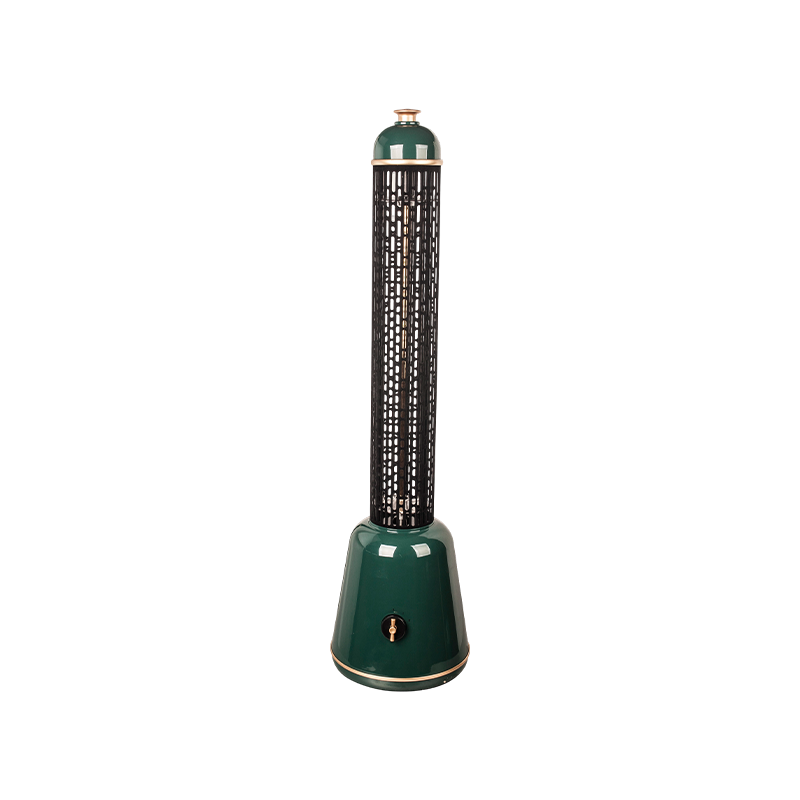
Choosing the right tower fan comes down to matching three specifications to your room: airflow output (measured in CFM, or cubic feet per minute), room size, and noise level if the fan will run in a bedroom or office. As a general guideline, a room under 200 square feet needs roughly 200-400 CFM, while larger open-plan rooms benefit from 400-600+ CFM units with wider oscillation ranges. Undersizing airflow for the room is the most common reason people find a tower fan "doesn't feel like it's doing much," even when the unit is running at full speed.
How a Tower Fan Works
A tower fan uses a tall, narrow vertical housing containing either a series of stacked blades or a bladeless impeller system that draws air in through the base and pushes it out through a long vertical vent. This design distributes airflow across a wider vertical range than a traditional pedestal or box fan, which typically concentrates air into a single, narrower stream.
Most tower fans include an oscillation feature that rotates the entire unit, or an internal vane system, side to side to spread air across a room rather than in a single fixed direction. Typical oscillation ranges span 60-90 degrees, with some premium models offering a wider sweep or even 360-degree rotation for whole-room air circulation.
Types of Tower Fans
Tower fans differ mainly in their internal fan mechanism and any additional functions built into the unit beyond basic air movement.
Bladed Tower Fans
These use a vertical stack of small internal blades or a single elongated blade assembly enclosed within the housing. They are typically the most affordable option and can produce strong airflow, though the internal blades require occasional cleaning as dust accumulates on the housing grille and blade surfaces.
Bladeless Tower Fans
Bladeless models use an internal impeller hidden in the base to draw in air, which is then amplified and released through a slim loop or vent at the top of the unit. These are generally easier to clean, quieter at comparable airflow levels, and considered safer around children and pets since there's no exposed blade to reach into.
Tower Fans with Air Purification
Some tower fans integrate a HEPA or carbon filter stage, combining air circulation with basic air purification. These are a good fit for allergy suffers or households wanting to reduce dust and odors, though the added filtration typically increases both the unit's price and its footprint.
Evaporative/Misting Tower Fans
These add a water reservoir and evaporative cooling pad or fine mist function, allowing the fan to lower the air temperature slightly rather than just circulating existing room air. They work best in dry climates, where evaporative cooling is most effective, and are less impactful in already humid environments.
Comparison of common tower fan types
| Fan Type |
Typical Noise Level |
Ease of Cleaning |
Best For |
| Bladed |
45-60 dB |
Moderate (grille buildup) |
Budget-conscious buyers |
| Bladeless |
35-50 dB |
Easy |
Bedrooms, homes with kids/pets |
| Air Purifying |
40-55 dB |
Moderate (filter changes) |
Allergy sufferers |
| Evaporative/Misting |
45-55 dB |
Moderate (water reservoir) |
Dry climates, added cooling |
How to Choose the Right Tower Fan
1. Match Airflow to Room Size
Check the manufacturer's rated CFM output and compare it against your room's square footage. A commonly used reference is roughly 1-2 CFM per square foot for effective air movement, so a 250-square-foot living room would generally need a fan capable of at least 250-500 CFM to feel effective at moderate speeds.
2. Check Noise Level for the Room's Use
If the fan will run overnight in a bedroom, look for a unit rated under 45 decibels on its lowest speed setting, comparable to a quiet library. Fans intended for living rooms or offices where background noise is less critical have more flexibility to prioritize airflow over quiet operation.
3. Consider Oscillation Range and Coverage
Wider oscillation ranges (80-90 degrees or more) distribute air across a larger portion of the room, which matters more in open living spaces than in smaller rooms where the fan is positioned close to the user.
Remote controls, digital timers, and app connectivity add convenience but not airflow performance. Air purification and evaporative cooling features add genuine functional value for specific needs (allergies, dry climates) but increase both price and maintenance requirements, so they're worth prioritizing only if that specific benefit applies to your situation.
5. Check Base Stability and Footprint
Because tower fans are tall and narrow, a wide, weighted base is important for stability, especially in households with children or pets. Look for a base width that's proportionate to the unit's height to reduce tipping risk.
Placement and Usage Tips
- Position the fan a few feet away from walls or furniture to avoid restricting airflow into the vent and out through the top.
- Place the fan near a doorway or open area to help circulate air between rooms rather than isolating airflow to one corner.
- Use oscillation mode for general room cooling and fixed direction mode for targeted personal cooling.
- Run the fan alongside an open window in cooler evening hours to help pull in outside air and improve overall circulation.
- Use a lower speed setting with a timer for overnight use to balance comfort with reduced noise.
Maintenance Best Practices
Most manufacturers recommend cleaning the intake grille and internal components every 4-6 weeks during regular seasonal use to maintain airflow and reduce dust circulation.
- Wipe down the exterior housing and vents regularly to prevent dust buildup that can reduce airflow output over time.
- Vacuum or brush the intake grille on bladed models, where dust tends to accumulate fastest.
- Replace HEPA or carbon filters on purifying models according to the manufacturer's schedule, typically every 3-6 months.
- Empty and clean the water reservoir on evaporative or misting models regularly to prevent mineral buildup and bacterial growth.
- Store the fan in a dry, dust-free location during the off-season to extend its service life.
A tower fan is an effective, space-saving way to circulate air, but getting real value from one depends on matching its specifications to your room and how you'll use it. The right choice comes down to sizing airflow output to your room's square footage, checking noise ratings against where the fan will run, and deciding which extra features (purification, evaporative cooling, wide oscillation) actually matter for your situation. Paired with sensible placement and regular cleaning, the right tower fan will keep a room comfortable efficiently and quietly for years.



 English
 中文简体
中文简体