Quick Answer: How Electric Heaters Work
Electric heaters generate warmth by passing electrical current through a resistive element—typically nichrome wire or a ceramic core—which converts electrical energy directly into heat through Joule heating (resistive heating). This heat is then distributed into a room through one of three primary mechanisms: convection (heating air that circulates naturally or via fan), radiation (emitting infrared energy that directly warms objects and people), or a combination of both. Nearly all electric heaters achieve close to 100% energy efficiency at the point of use, since virtually all electrical input converts to heat with minimal loss—the real differences between heater types lie not in efficiency, but in how quickly they heat a space, how evenly they distribute warmth, and how they perform in different room sizes and layouts.
The Basic Science: Resistive Heating
At the core of nearly every electric heater is the same fundamental principle: electrical resistance generates heat. Understanding this mechanism explains why electric heaters behave the way they do.
How Resistive Elements Generate Heat
When electric current flows through a conductor with resistance, some of the electrical energy is lost as heat due to collisions between electrons and the atomic structure of the material. Heating elements are deliberately engineered with high electrical resistance—commonly using nichrome (an alloy of nickel and chromium) or ceramic materials—so that most of the input energy converts to heat rather than passing through as usable current elsewhere.
Why This Makes Electric Heaters Highly Efficient
Because heat is the direct byproduct of resistance rather than a secondary combustion process, electric heaters convert essentially all electrical input into usable heat at the point of use. This is fundamentally different from combustion-based heating, where a portion of energy is lost as exhaust gases or unburned fuel.
The Three Main Heat Distribution Methods
While the heat-generation mechanism is largely the same across electric heaters, how that heat spreads through a room varies significantly and is the primary factor distinguishing different heater types.
Convection Heating
Convection heaters warm the air directly around the heating element, causing it to rise and circulate naturally throughout the room, drawing in cooler air to be reheated. This creates a continuous circulation cycle that gradually warms the entire air volume. Convection heaters are effective for whole-room heating but typically take longer to raise the perceived temperature compared to radiant methods.
Radiant (Infrared) Heating
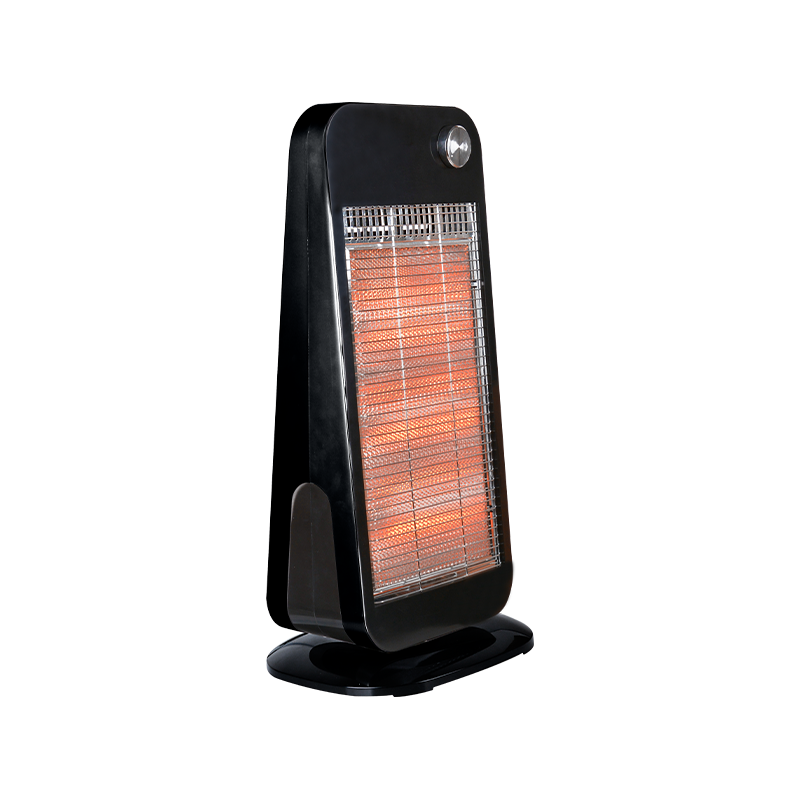
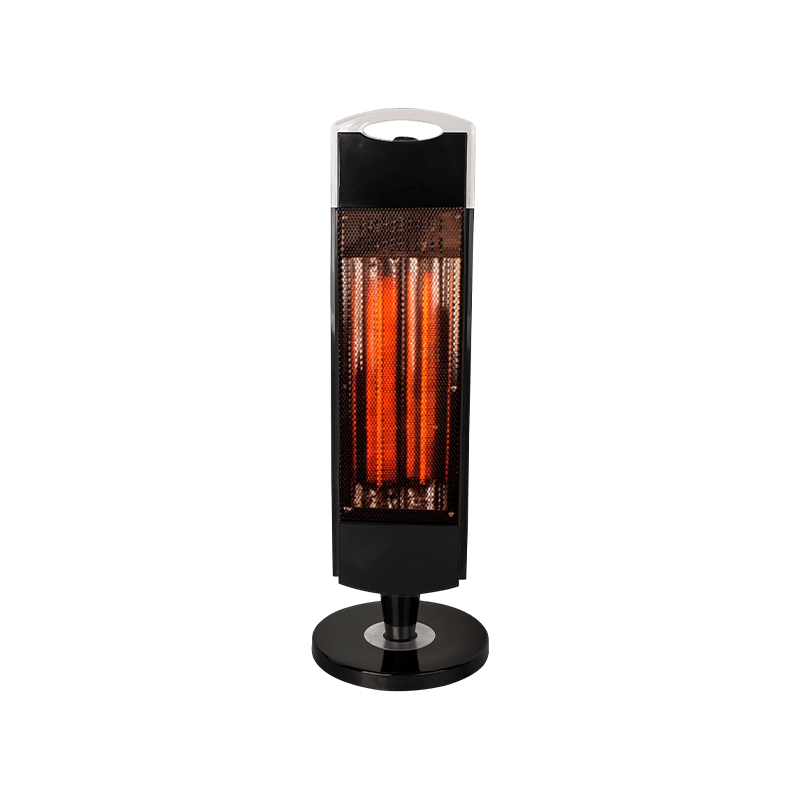
Radiant heaters emit infrared electromagnetic waves that travel through the air without significantly heating it, instead directly warming solid objects, walls, and people in their path—similar to how sunlight warms your skin even on a cold day. This provides near-instant warmth to occupants but heats a more limited, directional area compared to convection.
Forced-Air (Fan-Assisted) Heating
Fan heaters combine a resistive element with a motorized fan that actively pushes heated air outward, rather than relying on natural convection currents. This produces faster room heating—often noticeably warming a small space within minutes—at the cost of increased noise and typically higher energy draw during operation.
Comparing Common Electric Heater Types
Beyond the three core heating mechanisms, several specific heater designs combine these principles in different ways to suit particular use cases.
| Heater Type |
Heating Method |
Best Suited For |
| Ceramic Fan Heater |
Forced-air convection |
Quick spot heating in small rooms |
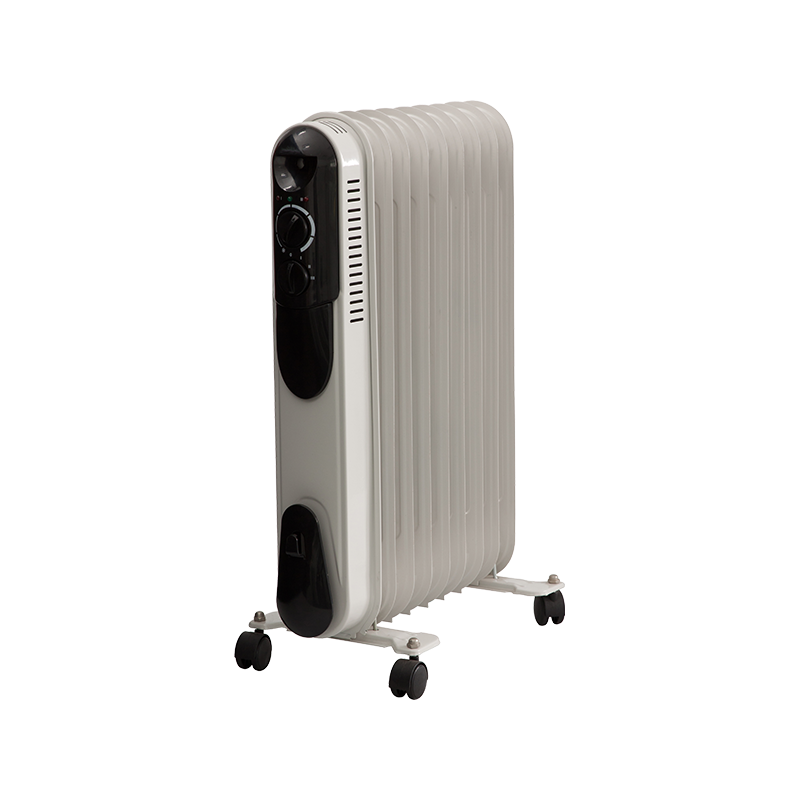
| Oil-Filled Radiator |
Convection with thermal mass |
Steady, sustained heating over hours |
| Infrared Panel Heater |
Radiant |
Instant warmth for occupants, drafty spaces |
| Baseboard Heater |
Natural convection |
Whole-room, permanent installation heating |
| Halogen Heater |
Radiant |
Immediate localized heat, outdoor/patio use |
Table 1: Common electric heater types, their heating method, and ideal use cases
Oil-Filled Radiators: The Slow-and-Steady Option
These heaters use electricity to warm a reservoir of thermal oil sealed inside finned metal columns. The oil retains heat and continues radiating warmth for a period even after the element cycles off, resulting in more consistent temperatures and reduced cycling noise compared to fan-based alternatives.
Ceramic Heaters: Speed with Safety
Ceramic heating elements heat up quickly and have a positive temperature coefficient (PTC), meaning their resistance increases as they get hotter, which naturally limits maximum temperature and reduces fire risk compared to bare metal elements.
What Actually Sets Electric Heaters Apart
Since nearly all electric heaters convert electricity to heat at similar efficiency, the meaningful differences lie in secondary performance factors rather than raw energy conversion.
Response Time
Radiant and fan-assisted heaters typically provide noticeable warmth within 1-3 minutes, while convection-only heaters like oil-filled radiators may take 15-30 minutes to meaningfully raise room temperature, though they sustain that warmth more evenly afterward.
Coverage Area and Heat Distribution
Convection-based heaters generally distribute warmth more evenly across an entire room, while radiant heaters concentrate heat directionally, making them effective for heating people directly but less effective for raising overall ambient temperature in larger spaces.
Noise Level
Fan-assisted heaters introduce operational noise from the motor, typically in the range of 40-55 decibels, whereas radiant panels and oil-filled radiators operate silently since they have no moving parts.
Safety Features
Modern electric heaters increasingly include tip-over switches, overheat protection, and cool-touch housings, though the level of protection varies by design—bare-element heaters generally carry higher surface temperatures and burn risk than enclosed ceramic or oil-filled units.
Energy Consumption and Running Costs
Since all resistive electric heaters convert energy to heat at nearly identical efficiency, running cost is determined primarily by wattage and usage duration rather than heater type.
A typical portable electric heater draws between 750 and 1,500 watts. Running a 1,500-watt heater continuously for 8 hours consumes 12 kilowatt-hours of electricity—meaning the actual cost difference between heater types comes down to how effectively each design lets you reduce runtime, such as radiant heaters allowing occupants to feel warm sooner and turn the unit off earlier, or thermostats and timers preventing unnecessary continuous operation.
Choosing the Right Type for Your Situation
Matching heater type to your specific need—rather than assuming one type is universally "better"—leads to more effective and cost-efficient heating.
- For quickly warming a small room you're actively occupying, a ceramic fan heater or infrared panel provides the fastest perceived comfort.
- For maintaining steady overnight warmth in a bedroom, an oil-filled radiator offers quiet, consistent heat with residual warmth after cycling off.
- For permanent whole-room heating in a well-insulated space, baseboard convection heaters provide even, unobtrusive warmth.
- For outdoor or drafty spaces where air heating is inefficient, radiant or halogen heaters directly warm occupants regardless of air movement.
- For households with children or pets, prioritize ceramic PTC elements and enclosed designs with tip-over and overheat protection.
All electric heaters rely on the same underlying principle—resistive heating—which means none is inherently more energy-efficient than another at converting electricity into heat. What genuinely differentiates them is how that heat reaches you: through slow, even convection; instant, directional radiation; or fast, fan-driven circulation. Understanding this distinction shifts the buying decision away from chasing "efficiency" claims and toward matching heating method, response time, and safety features to how and where you actually intend to use the heater.



 English
 中文简体
中文简体